Best Teeth Whitening Options San Diego CA — Guide to Safe, Comfortable, and Effective Treatments
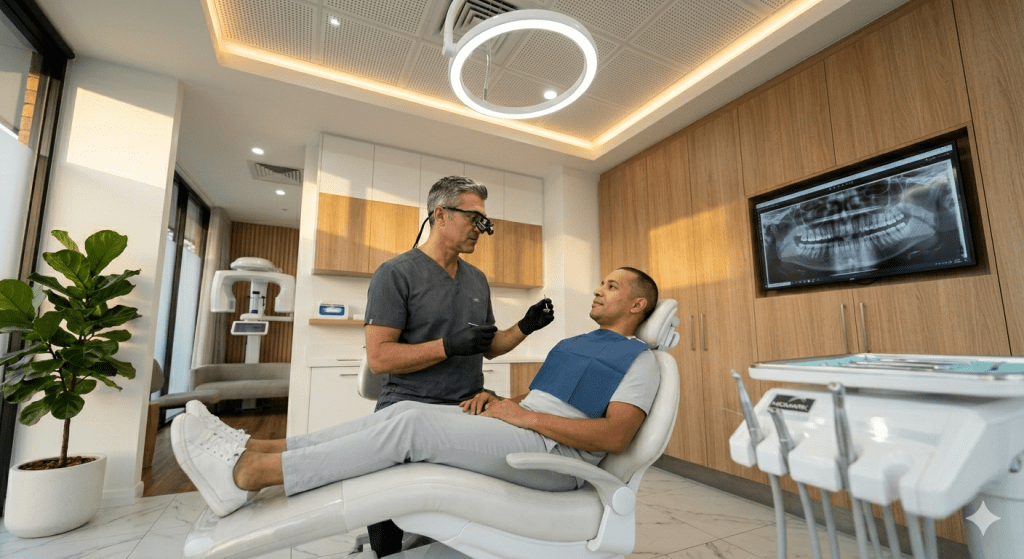
You want a brighter smile and need practical options in San Diego—this article guides you to the most effective choices, from in-office professional whitening to reliable at-home solutions and safe over-the-counter products. If you need the fastest, most noticeable results with dentist supervision, in-office professional whitening in San Diego offers the best balance of speed, safety, and predictability.
A local dental expert will help you compare treatments, understand risks and costs, and prepare for your appointment so you get comfortable, lasting results. Expect clear guidance on long-term care, when to consult a specialist, and which OTC products are worth trying before booking a professional visit.
Understanding Teeth Whitening Treatments
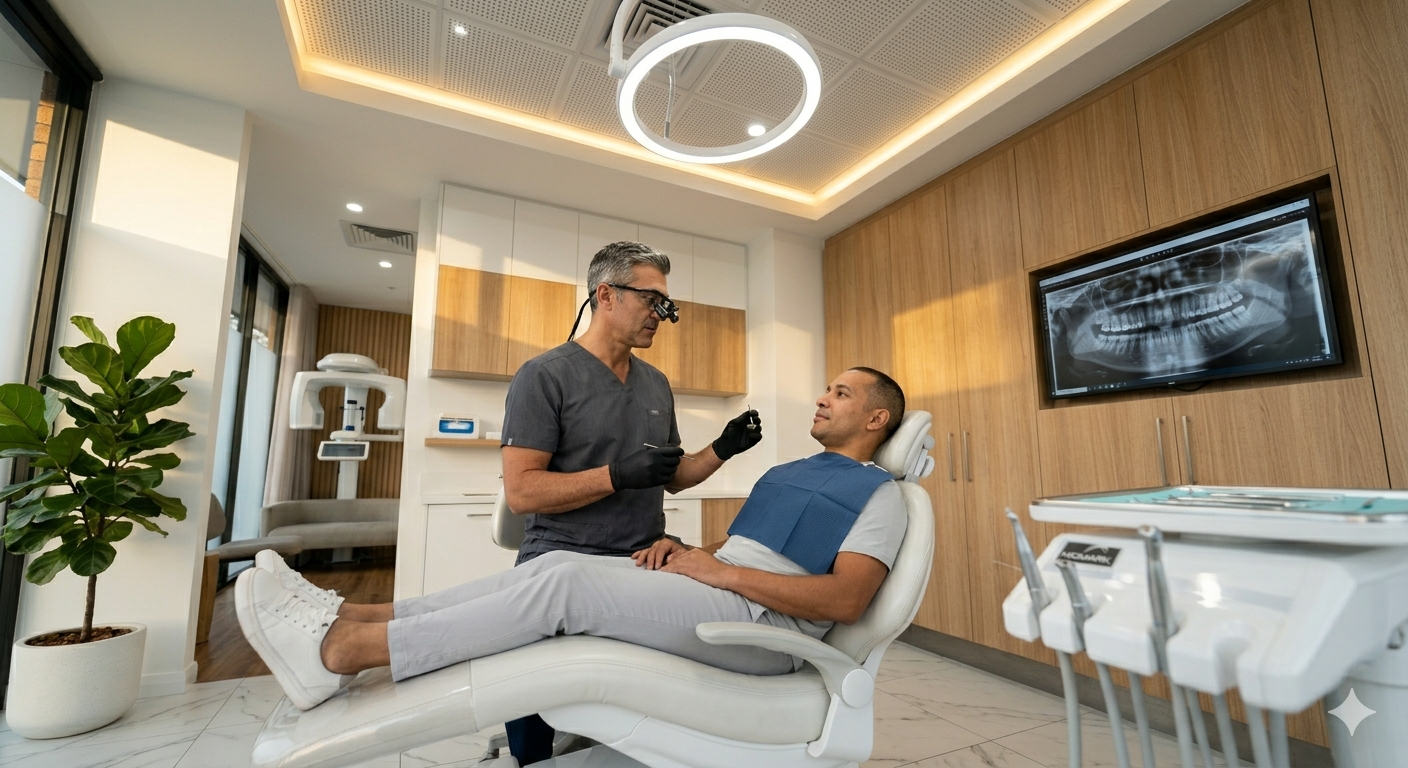
Teeth whitening removes or reduces discoloration using peroxide-based agents, professional trays, or laser-accelerated systems. Effectiveness depends on stain type, enamel condition, and realistic expectations about shade change.
How Teeth Stains Develop
Stains fall into two main categories: extrinsic and intrinsic. Extrinsic stains sit on enamel and come from coffee, tea, red wine, tobacco, and colored foods. These respond well to professional cleanings and peroxide-based whitening.
Intrinsic stains form inside the tooth from trauma, certain medications (like tetracycline taken in childhood), excessive fluoride during development, or aging. These stains are harder to lighten and may need stronger in-office whitening, internal bleaching for root-treated teeth, or cosmetic veneers if whitening is insufficient.
Enamel thickness and natural tooth color affect results. Thinner enamel may reveal a darker dentin layer, limiting achievable whiteness. A dentist evaluates enamel health and stain type with clinical exam and dental history before recommending a treatment plan.
Who Is a Good Candidate for Whitening
Ideal candidates have healthy teeth and gums, no active decay, and realistic expectations about shade improvement. People with widespread extrinsic staining from diet or smoking see the most predictable results.
Those with large restorations, crowns, or bonded veneers should know these materials do not whiten; restorations may need replacement to match bleached teeth. Patients with gum disease, untreated cavities, or tooth sensitivity require treatment first. Pregnant or breastfeeding patients are usually advised to delay whitening.
Teens should be assessed for completed tooth development before bleaching. A dental exam, X-rays if indicated, and a discussion of goals help determine the safest, most effective approach.
What to Expect During Procedures
In-office whitening typically uses 25–40% hydrogen peroxide gel applied to exposed teeth with gingival protection. A single 45–90 minute visit can produce several shades of lightening; some practices use a light or laser to accelerate the process. Sensitivity during or after treatment is common but usually temporary.
Take-home trays involve custom-fitted trays and lower-concentration carbamide peroxide gel used for 30–90 minutes daily over one to two weeks. Results develop gradually and allow more control over shade. Over-the-counter products like strips offer milder whitening and variable results.
Dentists assess sensitivity risk, protect gums, and provide post-care instructions—avoid staining foods for 48 hours, use desensitizing toothpaste, and schedule follow-up to check results and plan maintenance.
Professional Whitening Services in San Diego
San Diego offers a range of professional whitening choices that balance speed, comfort, and long-term results. Patients can expect in-office options for immediate improvement and custom take-home systems for gradual whitening, all supervised by licensed dental professionals.
In-Office Whitening Procedures
In-office whitening uses higher-concentration bleaching agents applied by a dental professional for fast, predictable results. Treatments typically use 15–40% hydrogen peroxide or equivalent and take 45–90 minutes, often producing noticeable lightening in a single visit.
Clinics commonly pair the gel with protective barriers for gums and, sometimes, a LED or laser light to accelerate the chemical reaction. This approach suits patients who want a dramatic change before an event or those who need supervision due to sensitivity or restorations.
Typical outcomes range from 2–8 shades lighter depending on initial discoloration and cause (staining vs. intrinsic discoloration). Dentists screen for cavities, gum disease, and tooth restorations first, since those factors affect both safety and visible results.
Custom Take-Home Whitening Kits
Custom take-home kits provide a middle ground: dentist-made trays fit the patient’s teeth, and lower-concentration gel is used over days to weeks. Trays are made from impressions or digital scans to ensure even contact and to reduce gum irritation.
Patients usually wear the trays for 30 minutes to overnight, depending on gel strength. The supervised, gradual protocol reduces sensitivity and offers more control over final shade compared with over-the-counter strips.
Dentists advise a treatment plan, monitor progress, and provide boosters or touch-up gels for maintenance. Custom kits work well for people with mild to moderate staining, frequent coffee or wine consumption, or who prefer a slower, controlled approach.
Safety and Effectiveness of Professional Options
Professional whitening is generally safe when performed or supervised by a licensed dentist; proper assessment prevents complications. Dentists check for enamel defects, tooth decay, gum disease, and incompatible restorations before recommending a protocol.
Common side effects include transient tooth sensitivity and mild gum irritation; these typically resolve within days. Dentists can lower gel concentration, shorten application time, or prescribe desensitizing toothpaste to manage symptoms.
Effectiveness depends on stain type, existing restorations, and patient adherence to post-treatment care. Composite fillings and crowns do not whiten, so dentists may plan restoration replacement after bleaching to match new tooth color. They recommend periodic touch-ups and avoiding staining foods to extend results.
Comparing Over-the-Counter Products
These options balance cost, convenience, and expected results. Readers should weigh how quickly they want whitening, sensitivity risk, and whether they need spot treatment or full-mouth whitening.
Whitening Strips and Gels
Whitening strips and gels use peroxide-based bleaching agents (commonly 6–10% hydrogen peroxide or equivalent). They deliver noticeable shade improvement in 1–2 weeks for surface and some deeper stains, especially from coffee, tea, and tobacco.
Application varies: strips adhere directly to teeth for 30–60 minutes daily, while gels go into reusable trays or brush-on applicators for shorter or guided times. Strips usually provide more uniform coverage than brush-on gels, but gels can target isolated spots or upper/lower arches separately.
Common side effects include tooth sensitivity and mild gum irritation; sensitivity often peaks early and subsides after treatment ends. People with exposed roots, recent restorations, or active gum disease should consult a dentist before use. For best results, follow product instructions, avoid acidic or strongly pigmented foods during treatment, and combine with good oral hygiene.
Whitening Toothpaste and Rinses
Whitening toothpastes use abrasives and low concentrations of chemical agents (typically <1% hydrogen peroxide) to remove surface stains. They brighten teeth gradually over weeks by polishing and preventing new surface staining rather than changing intrinsic tooth color.
Whitening rinses contain peroxide and can reach between teeth and along the gumline where a brush misses. They require daily use for 2–3 months to see modest improvement and work best as adjuncts to strip/gel treatments rather than as standalone solutions for deep staining.
Both formats produce minimal sensitivity compared with peroxide treatments but offer less dramatic results. They suit maintenance after professional whitening, prevention of new stains, or patients seeking incremental change without increased sensitivity risk.
Choosing the Right Whitening Solution
Different whitening options fit different needs: level of staining, sensitivity history, budget, and desired speed of results. The right choice balances effectiveness with comfort and dental safety.
Evaluating Treatment Goals and Expectations
Patients should define specific, measurable goals — for example, lighten two shades for an upcoming wedding or remove years of coffee staining. Professional in-office whitening (single 60–90 minute session) typically delivers the fastest, most noticeable change of 6–8 shades for deep extrinsic stains. Custom take-home trays from a dentist give controlled, gradual whitening over 1–2 weeks and suit people who prefer slower progress or need repeat touch-ups.
Over-the-counter strips and whitening toothpastes work best for mild surface stains and cost less, but expect smaller, incremental improvements over several weeks. Set realistic timelines: rapid, dramatic whitening may require multiple professional visits or combined approaches, while at-home methods need patience. Recommend discussing desired shade and timeline with a dentist to match expectations to a safe plan.
Considering Tooth Sensitivity and Dental History
A history of tooth sensitivity, enamel erosion, recent restorations, or gum disease changes the approach. Those with sensitivity may benefit from lower-concentration gels in custom trays, potassium nitrate-containing desensitizing agents, or shorter in-office activation cycles to reduce discomfort. In some cases, pre-treatment with topical fluoride or desensitizing varnish can improve tolerance.
Existing crowns, veneers, or composite fillings will not whiten, so restorations may need replacement after whitening to match natural teeth. Active decay or untreated gum disease must be addressed before whitening to avoid irritation or uneven results. Dentists should review medical history, medications that affect oral tissues, and prior bleaching reactions before recommending a plan.
What to Know Before Your Whitening Appointment
Patients should expect a short exam, clear costs, and guidance on sensitivity management. They should bring information about restorations and current medications to ensure safe, effective treatment.
Preparing for Your Visit
The dental office will perform a quick oral exam to check for cavities, gum disease, and existing restorations like crowns or veneers. Untreated decay or active gum inflammation typically must be addressed first, because whitening gel can irritate soft tissue and produce uneven results over restorations.
Bring a list of current medications and recent dental work dates. Certain drugs (for example, some antibiotics taken during tooth development) affect baseline tooth color and expectations. If desiring take-home trays, the practice will take digital or physical impressions; expect 30–60 minutes for impressions or intraoral scans.
Avoid heavy coffee, red wine, or tobacco on the day of treatment to reduce immediate staining. If using topical fluoride or desensitizing toothpaste, mention it; the clinician may recommend a specific pre-treatment protocol to minimize post-whitening sensitivity.
Post-Treatment Care Tips
Expect temporary sensitivity for 24–72 hours; over-the-counter potassium nitrate toothpaste or a neutral pH fluoride gel can reduce discomfort. The clinic may provide a desensitizing gel or recommend applying a sensitivity formula twice daily for a week.
Follow a 48–72 hour “white diet”: avoid coffee, red wine, berries, soy sauce, and colored sauces to maintain results. If provided, wear take-home trays as instructed—typically nightly or every other night for a short booster—because follow-up treatments extend longevity.
For restorations, note that crowns and veneers do not whiten; plan to discuss replacement or staining options if color mismatch occurs. Schedule a follow-up appointment or touch-up plan; many San Diego practices offer 6–12 month review and tailored maintenance products.
Long-Term Care for a Bright Smile
Maintaining a bright smile after professional whitening requires consistent habits and occasional touch-ups. Patients should expect to combine daily care, lifestyle adjustments, and periodic professional maintenance to keep results looking natural and long-lasting.
Maintaining Results After Treatment
After in-office or take-home whitening, patients should follow the dentist’s specific instructions about avoiding food and drink that stain for 24–48 hours. Use the prescribed post-whitening toothpaste for the first two weeks to reduce sensitivity and help stabilize shade.
Schedule a follow-up with the dental office 2–6 weeks after treatment to confirm shade stability and address sensitivity. For many, a single professional touch-up every 6–12 months maintains brightness; those who drink coffee, tea, or red wine daily may need touch-ups every 3–6 months.
Use custom take-home trays for quick at-home touch-ups: apply a low-concentration gel (10% carbamide peroxide) for 1–2 nights or a shorter daily application as directed. Track results with photos under consistent lighting to decide when a touch-up is necessary rather than guessing by memory.
Healthy Habits to Prevent New Stains
Reduce stain intake by limiting or modifying consumption of coffee, black tea, red wine, dark sodas, and brightly colored sauces. When drinking staining beverages, use a straw and rinse with water afterward to minimize contact with tooth enamel.
Brush twice daily with fluoride toothpaste and floss daily to remove surface pigments before they embed in enamel. Consider an electric toothbrush for more effective plaque removal, and use an antimicrobial mouthwash if recommended by the dentist.
Incorporate regular professional cleanings every 3–6 months to remove tartar and surface stains that home care misses. For patients who smoke, quitting or switching to less staining alternatives produces the largest long-term improvement in tooth color and oral health.
If sensitivity or gum irritation develops, consult the treating dentist rather than stopping maintenance; they can adjust concentration, frequency, or recommend desensitizing agents. For personalized guidance, patients should contact their local San Diego dental practice to plan an individualized maintenance schedule.
When to Consult Your San Diego Dental Specialist
If teeth staining appears suddenly or is uneven, the dentist should evaluate it. Sudden discoloration can signal internal problems like trauma or infection that need prompt care.
People with sensitive teeth or gum disease should avoid over-the-counter whiteners until checked. A dental exam can identify cavities, exposed roots, or inflamed gums that make whitening uncomfortable or ineffective.
Prior dental work—crowns, veneers, or fillings—often does not respond to bleaching the same way natural teeth do. A specialist can map which restorations need replacement or alternative treatments for a consistent result.
Expectations matter. If someone wants dramatic whitening in a short time, an in-office option may be safest and most predictable. For gradual brightening, a custom take-home kit provides control with professional oversight.
Pregnant or nursing patients, and those with certain medical conditions or medications, should seek professional advice before whitening. The dentist will review health history and recommend the safest approach.
Signs to schedule a consult now:
- Persistent tooth pain after whitening attempts
- Uneven color despite repeated products
- Visible wear, chips, or exposed dentin
- Recent dental work that might be affected
They can perform an exam, discuss realistic outcomes, and suggest the best plan for comfort and longevity. Call or message a San Diego dental specialist to arrange an evaluation and personalized recommendation.
Frequently Asked Questions
This section answers common concerns about whitening stubborn stains, differences between in-office and take-home options, speed of treatments like Zoom, expected longevity and maintenance, what happens during appointments, and how to pick a reliable provider.
Which whitening treatment works best for stubborn stains from coffee, tea, or wine?
Stubborn extrinsic stains often respond best to in-office professional whitening using higher-concentration peroxide gels and activated light or heat when appropriate.
For deeply set or long-standing stains, dentists may combine in-office whitening with custom take-home trays to boost and maintain results.
How does in-office whitening compare to take-home trays in terms of results and sensitivity?
In-office whitening delivers faster, more noticeable shade changes in a single visit, typically 3–8 shades depending on the system and starting color.
Take-home trays use lower peroxide concentrations over several days or weeks, producing gradual results with generally less acute sensitivity.
Is Zoom whitening a good choice if I want fast results before an event?
Zoom whitening often produces visible improvement in a single 60–90 minute visit, making it a practical option before special events.
Patients should discuss sensitivity risks and realistic shade expectations with their dentist at least a week before the event.
How long do whitening results typically last, and what can I do to maintain them?
Results commonly last 6 months to 3 years depending on diet, oral hygiene, and tobacco use.
To extend results, maintain twice-daily brushing with fluoride toothpaste, floss daily, avoid or reduce staining foods and drinks, and use touch-up trays or over-the-counter maintenance products as recommended.
What should I expect during a professional whitening appointment, and will it be comfortable?
Appointments usually begin with an exam and cleaning, followed by gum protection, application of the whitening gel, and timed activation cycles.
Most patients report mild, temporary sensitivity; dentists offer desensitizing gels, shorter cycles, or adjusted protocols to increase comfort.
How do I choose a trusted whitening provider—what should I look for in patient reviews and credentials?
Look for a licensed dentist with specific experience in cosmetic or restorative dentistry, positive patient reviews mentioning comfort and predictable results, and before-and-after photos.
Check that the practice explains risks, provides a customized treatment plan, and offers follow-up care or maintenance guidance.