Affordable Teeth Whitening San Diego CA — Gentle, Expert Options for a Brighter Smile
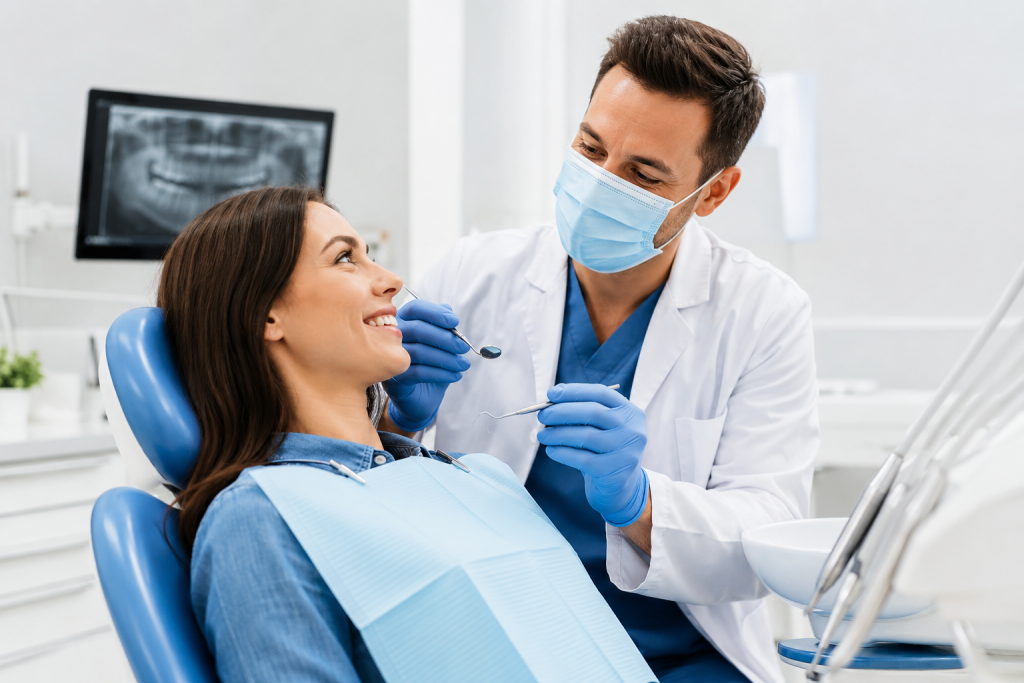
You want a brighter smile without overspending, and San Diego offers several affordable teeth-whitening paths that balance cost, comfort, and safety. You can find effective, budget-friendly whitening options nearby — from supervised take-home kits to in-office treatments with transparent pricing — that deliver real results when matched to your needs.
This post breaks down what stains most commonly cause discoloration, how whitening treatments work, and the safest, most cost-effective choices in San Diego so you can pick the right option with confidence. Expect clear comparisons, practical tips for maintaining results, and signs that mean it’s time to see a dental professional.
What Causes Tooth Discoloration?
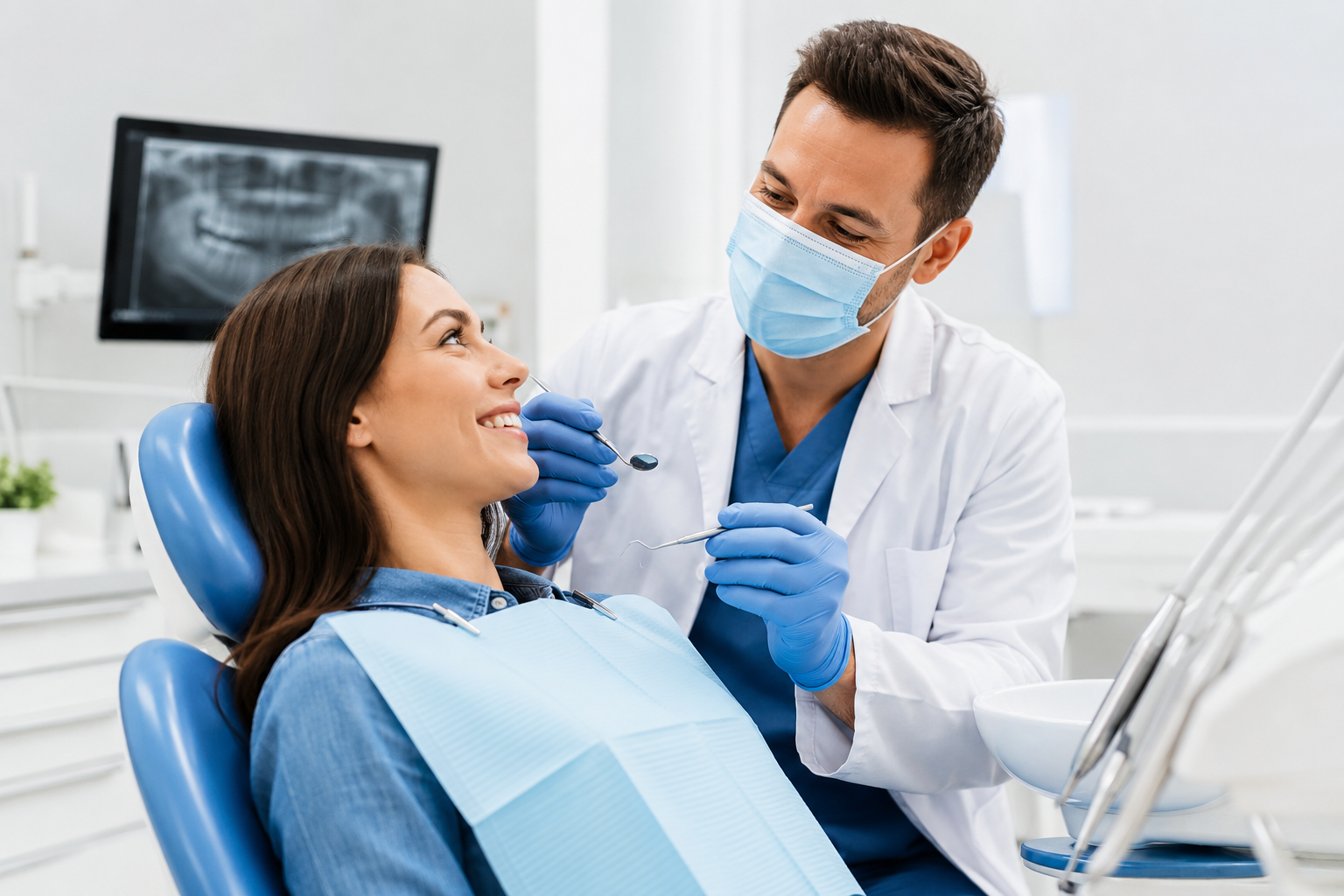
Tooth color changes come from surface stains, deeper intrinsic changes, and medical or drug-related effects. Understanding the specific causes helps pick the right whitening option and prevent future staining.
Everyday Habits That Lead to Stains
Coffee, black tea, red wine, and dark sodas deposit tannins and pigments that cling to enamel surfaces. Smoking and vaping leave tar and nicotine residues that produce yellow-brown staining over months or years.
Poor brushing technique and skipping dental cleanings let plaque and calculus build up, which traps pigments and makes stains harder to remove. Acidic foods and beverages soften enamel, making it easier for pigments to penetrate and create longer-lasting discoloration.
Using colored mouth rinses or certain sports drinks frequently also contributes. Cosmetic habits like chewing betel nut or using colored chewing tobacco cause pronounced staining that often needs professional removal.
Natural Aging and Genetics
Enamel thins with age, revealing the darker yellow dentin beneath and making teeth appear more discolored. Lifelong exposure to staining agents compounds this effect, so an older adult often shows combined wear and surface stains.
Genetics influence baseline tooth color and enamel thickness. Some people naturally have thinner, more translucent enamel or naturally darker dentin, which limits how bright whitening can make their teeth.
Enamel wear from grinding (bruxism) or acidic erosion speeds translucency and reveals dentin sooner. Restoration choices should account for age-related changes to set realistic whitening expectations.
Effects of Medications and Health Conditions
Tetracycline antibiotics taken during tooth development cause gray or brown banding that resists standard whitening. High doses of fluoride in childhood can produce white or brown mottling called fluorosis.
Certain antihypertensives, antihistamines, and antipsychotics can cause dry mouth, which increases staining risk because saliva no longer helps wash away pigments. Chemotherapy and radiation to the head and neck may darken teeth by affecting enamel formation or pulp health.
Systemic conditions like liver disease or metabolic disorders can alter tooth color indirectly. Dentists evaluate medical history and, when needed, coordinate with physicians to determine safe, effective whitening or restorative options.
How Teeth Whitening Treatments Work
Teeth whitening removes or breaks down stains inside enamel and on the surface to restore natural brightness. Treatments use specific bleaching agents, applied either by a dentist or at home, and vary in strength, duration, and sensitivity risk.
Safe Bleaching Agents Explained
Dentists most commonly use hydrogen peroxide and carbamide peroxide as bleaching agents.
Hydrogen peroxide acts faster and is typical in in-office procedures at concentrations from about 15% to 40%.
Carbamide peroxide breaks down into hydrogen peroxide and urea, so at-home trays usually contain lower concentrations (often 10–22% carbamide peroxide, equivalent to ~3–7% hydrogen peroxide).
These chemicals oxidize stain molecules inside the enamel and dentin, breaking large pigmented compounds into smaller, less-visible ones.
Professional formulations include stabilizers and desensitizing agents to reduce gum irritation and tooth sensitivity.
Regulated use by a licensed dentist minimizes soft-tissue exposure and ensures correct contact time and concentration, which improves safety and outcome predictability.
Professional vs. At-Home Whitening Methods
Professional in-office whitening uses higher-concentration hydrogen peroxide, a custom tray or isolated field, and monitored application.
Typical protocol: prophylaxis, protective barriers for gums, application of bleaching gel, and light activation in some systems; sessions usually last 45–90 minutes.
At-home options include custom trays prescribed by a dentist, over-the-counter strips, and whitening toothpaste.
Custom trays deliver lower-concentration gel evenly for 30–60 minutes daily over one to two weeks and offer better results than OTC strips.
OTC strips and toothpaste remove surface stains and provide modest lightening; they use lower peroxide levels or abrasives and pose a higher risk of uneven results if misused.
Dentist guidance helps choose the method that balances desired speed, degree of whitening, cost, and sensitivity management.
Typical Results and What to Expect
Initial improvement often appears within a few days for high-concentration in-office treatments and within one to two weeks for dentist-supervised at-home gels.
Most patients see 2–6 shades of lightening, depending on stain type, enamel thickness, and original tooth color.
Intrinsic stains (from tetracycline or trauma) may respond less predictably and sometimes require alternative treatments like veneers or bonding.
Common side effects include temporary tooth sensitivity and mild gum irritation; these usually resolve within days to weeks.
Maintenance involves avoiding staining foods and drinks, occasional touch-up trays or OTC touch-up products, and regular dental cleanings to prolong results.
Patients should consult their dentist to tailor expectations and manage sensitivity or uneven whitening.
Affordable Whitening Options in San Diego
San Diego offers several practical whitening paths that fit different budgets and schedules. Patients can choose quick in-office sessions, dentist-supervised take-home kits, or capitalize on local specials to lower costs.
In-Office Budget-Friendly Treatments
In-office treatments provide the fastest visible results and many clinics in San Diego now offer lower-cost alternatives to premium laser whitening. These typically use professional-strength hydrogen peroxide gels and LED light for one 30–60 minute session, with prices often ranging from $150 to $350 depending on the practice and included follow-up.
Clinics may offer shortened protocols—fewer cycles or lower concentrations—designed to cut cost while still producing noticeable improvement. Those with tooth sensitivity should ask about desensitizing agents applied before or after treatment; many offices include this at no extra charge.
Patients should confirm whether the quoted price covers a consultation, shade assessment, and any protective measures (lip retraction, gingival guards). Transparent pricing prevents surprises and lets patients compare true value between providers.
Take-Home Professional Kits
Take-home kits from a dentist deliver professional bleaching in custom trays and usually cost between $100 and $300 in San Diego. They contain peroxide gel at concentrations higher than over-the-counter strips but lower than in-office gels, and trays are molded to the patient’s teeth for even contact and reduced gum irritation.
Typical protocols run from 1–4 weeks with nightly or daytime wear; dentists tailor wear time to sensitivity and desired shade. Refill syringes are available for ongoing upkeep, which spreads cost over months or years.
Patients wanting predictable whitening should prioritize dentist-provided kits over drugstore products; the custom fit and supervision reduce uneven results and lower risk of soft-tissue burns.
Special Deals and Promotions
Dental practices and medical spas in San Diego frequently run time-limited promotions that cut 10–40% off regular whitening prices. Common offers include bundled discounts (whitening plus cleaning), first-time patient specials, or seasonal promotions tied to holidays and wedding seasons.
Membership plans at some clinics provide discounted procedures and free or reduced-price touch-ups for a monthly fee. Patients should read fine print for exclusions, such as new-patient-only pricing or restrictions on combined discounts.
To find the best deal, compare advertised prices, confirm what services are included, and verify provider credentials. Booking a short consultation while a promotion is active can clarify expected outcomes and any additional costs.
Understanding Treatment Safety and Comfort
This section explains how to reduce sensitivity, ensure a trained clinician applies whitening, and follow gentle aftercare. It focuses on practical steps patients can expect before, during, and after treatment.
Minimizing Tooth Sensitivity
Patients often experience brief sensitivity during or after whitening. A dentist in San Diego will assess enamel thickness and gum recession first to determine if professional whitening is appropriate.
Clinicians commonly use lower-concentration peroxide gels with desensitizing ingredients such as potassium nitrate or fluoride to reduce nerve irritation. Treatments may be staged over multiple short sessions instead of one long exposure to limit sensitivity spikes.
Pre-treatment options include topical desensitizers applied 10–15 minutes before whitening or recommending a toothpaste with 5% potassium nitrate used for two weeks prior. If sensitivity develops, clinicians suggest pausing active whitening, switching to at-home maintenance gels at lower strength, and using soft-bristled brushes to avoid mechanical irritation.
Patients with extensive restorations, active decay, or exposed dentin should discuss alternatives like professional polishing or stain-targeted prophylaxis. Clear communication about expected sensations and a contingency plan for sensitivity helps patients feel safer and more comfortable.
Qualified Professional Application
A licensed dentist or supervised hygienist should perform in-office whitening or prescribe take-home kits. Certification ensures proper diagnosis, appropriate peroxide concentration selection, and correct isolation of soft tissues.
Professional protocols include using protective barriers for gums, eye shields, and precisely measured gel volumes. Dentists also document baseline photos and shade measurements to track results and avoid overtreatment.
Supervised take-home trays are custom-fitted from dental impressions or 3D scans to prevent gel contact with gums and provide even coverage. Technicians follow manufacturer guidelines for wear time and concentration, and dentists review progress during follow-up visits.
Unregulated walk-in booths or over-the-counter strips can cause uneven whitening and gum burns. For predictable, safe outcomes, patients should verify credentials, ask about the peroxide percentage, and confirm a follow-up exam is included.
Aftercare Tips for Gentle Recovery
Immediately after whitening, avoid staining foods and drinks for 48–72 hours: coffee, red wine, dark berries, soy sauce, and tomato-based sauces. Using a straw for permitted beverages reduces contact with front teeth.
Pain management relies on desensitizing toothpaste twice daily and an over-the-counter analgesic if needed. Cold compresses applied externally for 10 minutes can ease brief soft-tissue discomfort from gum irritation.
Maintain excellent oral hygiene with soft brushes and gentle flossing; avoid abrasive whitening toothpastes for two weeks. If the dentist provided a fluoride gel or varnish, use it as directed to help remineralize enamel.
Report prolonged sensitivity, uneven shade, or gum soreness that lasts beyond 7–10 days. The dentist can adjust the regimen, apply professional fluoride, or recommend restorative options if intrinsic discoloration or compromised enamel limits whitening results.
Top Factors When Choosing a Whitening Provider
Choose a provider who combines clinical skill, patient comfort, and honest pricing. Each factor below affects results, safety, and how easy the treatment fits into daily life.
Experience and Training
Look for a provider with formal training in cosmetic dentistry or a dental specialist who performs whitening regularly. Dentists who list continuing education courses in bleaching techniques, laser-assisted whitening, or esthetic dentistry signal up-to-date skills.
Ask how many whitening procedures they perform monthly and whether they handle complex cases like restorations, tetracycline stains, or sensitivity-prone patients. High case volume correlates with predictable outcomes; a clinician who does only a few treatments a year may lack that practice.
Check credentials and before/after photos of actual patients from the practice. Request specifics about the product brands and concentrations used (e.g., 15–35% hydrogen peroxide for in-office systems) and whether they customize protocols by tooth shade, oral health, or existing dental work. Confirm who applies the gel — the dentist or an assistant — and whether shade tracking is documented.
Comfort-Oriented Patient Care
Prioritize clinics that screen for sensitivity risk and tailor the approach accordingly. A responsible provider performs an exam to detect cavities, gum recession, or cracked teeth before whitening, because untreated issues increase pain and reduce effectiveness.
Look for clinics offering desensitizing agents, buffered gels, or phased treatments (shorter sessions spaced over days). These options lower the chance of post-treatment sensitivity while still lightening teeth.
Observe whether the office uses soft-tissue protection, personalized trays, or LED systems that include cooling features. Staff who explain sensations during treatment and provide post-care instructions (avoid acidic foods, use desensitizing toothpaste) improve comfort and satisfaction. Patient reviews that mention minimal sensitivity or staff attentiveness are useful decision points.
Transparent Pricing and Payment Plans
Request a detailed cost breakdown before scheduling: consultation, shade-matching, per-session charges, take-home trays, and any required follow-ups. Some offices advertise “$99 whitening” but exclude the exam or trays; get the full package price in writing.
Compare pricing for in-office single-visit whitening versus professional take-home kits. Typical in-office ranges vary widely; ask what percentage of improvement (number of shades) the practice expects and whether touch-up syringes or maintenance kits are included.
Ask about financing or payment plans if cost is a concern — many practices offer interest-free options or membership plans that lower per-treatment cost. Confirm their refund or retreatment policy if results fall short of expectations. Clear written estimates and a transparent cancellation/rescheduling policy help avoid unexpected charges.
Maximizing and Maintaining Your Brighter Smile
Small, consistent choices keep whitening results longer: protect enamel, reduce new stains, and follow a simple maintenance plan. Practical daily habits, a solid oral care routine, and avoiding specific foods and drinks make the biggest difference.
Daily Habits to Preserve Results
They should rinse or swish with water right after consuming staining items like coffee, tea, or red wine to reduce surface pigments. Using a straw for dark beverages cuts contact with front teeth and limits new discoloration.
Smoking and vaping accelerate staining; quitting shows visible improvement in weeks and benefits overall oral health.
They can schedule touch-up whitening every 6–12 months depending on the original treatment and lifestyle. Over-the-counter whitening pens or dentist-recommended at-home trays work for minor maintenance, but professional consultation avoids overuse and sensitivity.
Wearing a night guard if grinding occurs prevents enamel wear that makes teeth appear duller.
Recommended Oral Hygiene Routines
Brush twice daily for two minutes with a soft-bristled brush and a fluoride toothpaste formulated for sensitivity if bleaching caused discomfort. Use gentle, circular strokes along the gumline to remove plaque without abrading enamel.
Replace the toothbrush every 3 months or sooner if bristles splay.
Floss once daily to remove interdental stains and plaque that can dull whitening results. Add a daily alcohol-free antimicrobial mouthwash to reduce bacteria without drying tissues.
Consider a sonic or electric toothbrush for more consistent plaque control; studies show better stain removal versus manual brushing for many patients.
Foods and Drinks to Limit
Limit coffee, black tea, red wine, cola, soy sauce, and berry sauces that contain strong chromogens which adhere to enamel. When consuming these, pair with water and rinse immediately to reduce staining time.
Tomato-based sauces, curry, and balsamic vinegar can also cause gradual discoloration; moderate portions and prompt rinsing help.
Choose low-staining alternatives when possible: white wine or clear sodas occasionally, and herbal or green teas instead of black tea. For snacks, prefer dairy (cheese, plain yogurt) which can help neutralize acids and protect enamel.
If a favorite item is unavoidable, plan a touch-up whitening session sooner rather than later and discuss safe at-home products with the dental professional.
If they have questions about sensitivity, maintenance schedules, or products, encourage them to contact their dental office for personalized advice and tailored follow-up options.
When to Talk to a Dental Expert in San Diego
If stains return quickly after over-the-counter whitening, a local dentist can identify underlying causes such as enamel wear or deep intrinsic stains. They will explain why at-home products sometimes fail and recommend professional-strength options tailored to the patient’s needs.
If a person has tooth sensitivity, gum recession, or visible enamel defects, consulting a dentist before whitening is important. A dental expert can suggest desensitizing treatments or alternative approaches that protect teeth and reduce discomfort.
People with crowns, veneers, or fillings should seek professional advice because whitening won’t change restorative materials. The dentist can coordinate shade-matching or advise on replacing restorations for a uniform smile.
If someone notices uneven color, dark spots, or staining after trauma or medication use, professional evaluation is warranted. The clinician can determine whether internal staining or other dental issues require specialized treatment.
For safe, affordable choices, patients with budget concerns can ask San Diego clinics about financing, membership plans, or lower-cost in-office and supervised take-home options. A dental team will outline costs, expected results, and realistic timelines.
If a patient simply wants the best, most predictable outcome, scheduling a consultation offers peace of mind. The dentist will assess oral health, discuss expectations, and craft a comfortable, evidence-based whitening plan.
Frequently Asked Questions
This section answers common concerns about cost, methods, longevity, safety, and choosing a provider for teeth whitening in San Diego. Each question gives clear, practical details to help patients decide and prepare.
How much does professional teeth whitening typically cost in San Diego, and what factors affect the price?
Professional in-office whitening usually ranges from $350 to $800 in San Diego, depending on the clinic and the system used.
Take-home tray systems from a dentist commonly cost $200–$400, while over-the-counter kits are $20–$100.
Prices change with the whitening technology, the provider’s experience, and any included follow-up visits.
Additional costs can come from pre-treatment exams, treatments for dental issues first (like fillings), and extra custom trays or touch-up gels.
What’s the difference between in-office whitening, take-home trays, and over-the-counter kits in terms of results and comfort?
In-office whitening delivers the fastest, most noticeable change—often several shades in one visit—because professionals use stronger peroxide and controlled light or laser activation.
Patients typically experience more immediate results but may need a short recovery for sensitivity.
Dentist-prescribed take-home trays use professional-strength gel in custom-fitted trays for gradual, even whitening over one to two weeks.
They balance effectiveness and comfort, with lower sensitivity risk than in-office options.
Over-the-counter kits are least expensive but use weaker formulations and generic trays or strips, so results are slower and less predictable.
They can work for mild staining, but fit and contact with gum tissue often cause uneven whitening or irritation.
How long do whitening results usually last, and what can I do to keep my smile bright longer?
Results commonly last 6 months to 2 years, depending on habits and maintenance.
Smoking, frequent coffee, red wine, and dark foods shorten the effect; avoiding these extends whitening longevity.
Regular touch-ups with dentist-supplied gel every few months helps maintain shade.
Daily good oral hygiene, professional cleanings every 6 months, and using whitening toothpaste or gentle at-home products also prolong results.
Is teeth whitening safe for sensitive teeth, and what options help minimize sensitivity?
Whitening is generally safe but can increase sensitivity temporarily for patients with thin enamel or gum recession.
Dentists assess oral health first and recommend options that reduce risk.
Lower-concentration gels, shorter application times, desensitizing gels, and custom trays can minimize sensitivity.
For severe sensitivity, a provider may suggest postponing whitening or using restorative treatments before proceeding.
Are there any risks or side effects I should know about before whitening my teeth?
Common side effects include temporary tooth sensitivity and gum irritation; these usually resolve within days to a few weeks.
Overuse of whitening products can cause enamel damage or uneven results, especially with poor technique or ill-fitting trays.
Whitening does not change the color of crowns, veneers, or fillings, which may lead to uneven shade after treatment.
Patients with untreated cavities, active gum disease, or certain dental conditions should treat those issues before whitening.
How do I choose a trustworthy whitening provider in San Diego, and what should I look for in reviews?
Look for a licensed dentist offering whitening services, clear pricing, and a pre-treatment exam.
Reviews should mention professional behavior, pain management, and realistic results rather than only low cost.
Check that the clinic explains risks, shows before-and-after photos, and offers follow-up care or touch-up options.
Local dental society memberships, verified patient testimonials, and transparent refund or correction policies add confidence.