Importance of Regular Dental Checkups San Diego CA: Gentle Preventive Care, Modern Treatments, and What to Expect
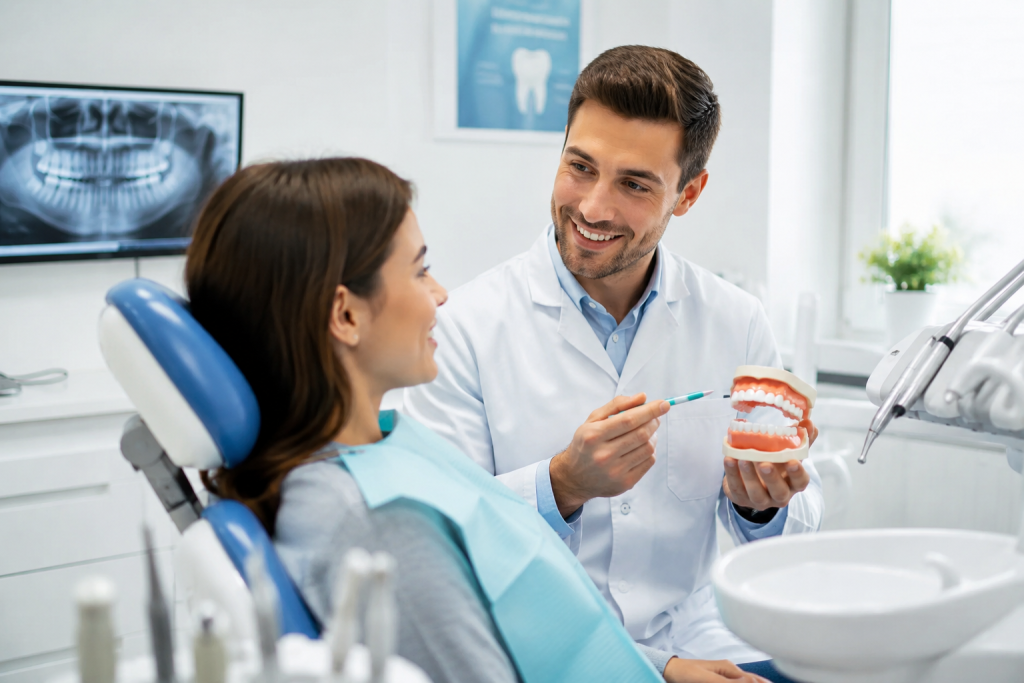
You walk into a San Diego dental office and get more than a quick cleaning — you get proactive care that keeps small issues from becoming expensive, painful problems. Regular checkups catch decay, gum disease, and early signs of other health issues before they threaten your smile or your overall health.
You’ll appreciate how local clinics blend modern technology with a calm, comforting atmosphere so appointments feel efficient and personal. Expect clear explanations of what happens during an exam, gentle options for anxious patients, and practical steps you can take between visits to protect your smile.
How Preventive Visits Protect Your Smile
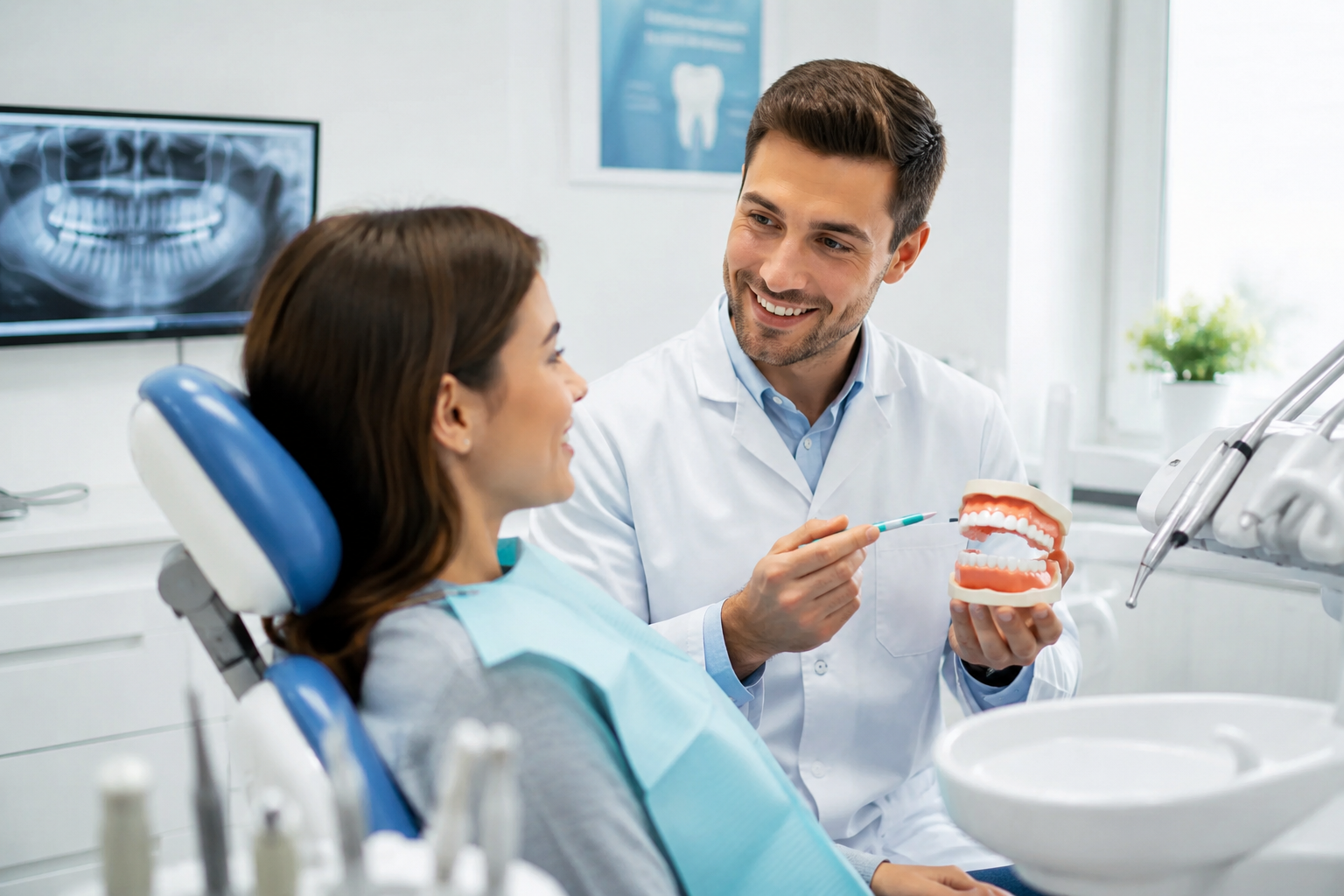
Regular preventive visits reduce small problems before they become costly, uncomfortable treatments. They focus on detection, daily habit support, and gum and cavity prevention so patients keep healthy teeth longer.
Spotting Problems Early for Easier Treatment
During routine exams, dentists use visual checks, digital X-rays, and intraoral cameras to find tiny cracks, beginning decay, and early gum issues that patients often miss. Catching a small cavity allows for a simple filling rather than a root canal or crown later.
Dentists also screen for occlusion problems, bruxism wear patterns, and early signs of oral cancer. Addressing bite issues or nightguard needs early prevents enamel loss and jaw pain.
When decay or gum inflammation appears, offices can offer conservative treatments like fluoride varnish, sealants, or non-surgical periodontal therapy. These options cost less, require less recovery time, and preserve more natural tooth structure.
Building Habits That Keep Teeth Healthy
Preventive visits include personalized coaching on brushing technique, flossing methods, and the right products for a patient’s teeth and gums. Hygienists demonstrate effective two-minute brushing, interdental cleaning, and how to manage sensitivity or dry mouth.
Clinics provide tailored recommendations: high-fluoride toothpaste for recurrent decay, alcohol-free rinses for dry mouth, or electric toothbrushes for limited dexterity. They also review diet factors—reducing frequent acidic or sugary snacks that erode enamel.
Follow-up schedules and motivational check-ins help patients stay accountable. Small, specific habit changes between visits translate into fewer repairs and more stable oral health over years.
Preventing Gum Disease and Cavities
Professional cleanings remove plaque and tartar from below the gumline where home care can’t reach, lowering bacteria levels that cause gingivitis and periodontitis. Regular scaling and polishing reduce bleeding, pocket depth, and the risk of bone loss.
Dentists apply preventive treatments—fluoride applications, pit-and-fissure sealants, and antimicrobial rinses—based on a patient’s risk profile. For patients with early gum disease, non-surgical therapy and targeted home care often halt progression.
Risk assessment includes medical history review for diabetes or smoking, which increase gum-disease risk. With combined in-office care and clear home instructions, many patients avoid advanced periodontal procedures and preserve natural teeth.
- For questions or to schedule an exam, patients are encouraged to contact their dental office.
The Advantages of Local Care in San Diego
Local dental care in San Diego connects patients with teams who understand the region’s needs, schedules, and community resources. Access to nearby clinics, same-day appointments, and neighborhood referrals makes staying on top of oral health much easier.
Community-Oriented Dental Teams
San Diego dentists often build long-term relationships with patients and families across neighborhood clinics. These teams usually know local health trends—like higher rates of sun-related oral lesions in beach communities—and can spot region-specific risks earlier.
Many practices partner with schools, senior centers, and community health programs to provide screenings, fluoride varnish events, and educational talks. That outreach reduces barriers for children and older adults who might otherwise miss routine care.
Patients benefit from consistent care continuity: the same hygienist or dentist tracks changes over years, which improves early detection of cavities, gum disease, and oral cancer. Familiar staff also create a calmer experience for anxious patients.
Personalized Recommendations for Your Needs
Local dentists tailor advice to the patient’s lifestyle and environment instead of offering one-size-fits-all guidance. For example, clinicians may recommend night guards for surfers and bikers who report tooth clenching after long days outdoors.
They also adapt preventive plans to fit schedules—offering early morning, lunchtime, or late-afternoon slots for working parents. Treatment plans consider insurance networks common in San Diego and suggest in-network alternatives when possible to reduce out-of-pocket costs.
Personalized care includes culturally sensitive communication and language options common in the area, which helps ensure patients understand home-care instructions, medication directions, and follow-up steps.
Convenience and Accessibility
San Diego’s neighborhood clinics reduce travel time and missed appointments by being close to homes, schools, and workplaces. Many offices offer online booking, text reminders, and digital forms to streamline visits and minimize time in the waiting room.
Accessibility features—like wheelchair ramps, ADA-compliant operatories, and evening hours—address practical barriers for older adults and people with mobility needs. Clinics near major transit lines and freeway exits make appointments feasible for patients across the county.
Same-day or next-day openings for urgent issues, plus local lab and imaging partners, speed up diagnosis and treatment. That timeliness prevents minor problems from becoming more complex and costly.
Modern Comfort and Technology at the Dentist
Modern dental offices in San Diego focus on comfort, faster diagnostics, and gentler care. Patients benefit from precise imaging, minimally invasive cleaning, and calming office design that reduce anxiety and speed treatment decisions.
Gentle Cleaning Techniques
Dental hygienists use ultrasonic scalers that vibrate to remove heavy tartar while spraying a cooling water mist to reduce friction and heat. This method shortens appointment time and lessens scraping sensations compared with traditional hand scaling.
Many practices pair ultrasonic devices with fine-tuned hand instruments to access tight spaces around crowns and implants. Hygienists often apply topical desensitizing agents or fluoride varnish after cleaning to reduce post-procedure sensitivity and strengthen enamel.
Chairside comfort measures include warmed rinses, adjustable headrests, and noise-dampening headphones. For patients with strong gag reflexes or dental anxiety, clinicians may offer nitrous oxide or short-acting oral anxiolytics under clear consent.
Digital X-Rays and Imaging
Digital X-rays capture high-resolution images in seconds and use up to 90% less radiation than traditional film. Images appear instantly on a monitor, allowing dentists to point out cavities, bone loss, or impacted teeth while the patient watches.
Cone-beam CT (CBCT) provides three-dimensional views for implant planning, complex extractions, and jaw-joint assessments. CBCT slices help the team measure bone volume and nerve positions precisely, reducing surgical surprises and improving long-term outcomes.
Practices secure images in electronic health records for quick comparison across visits and easier referrals to specialists. Many clinics also employ intraoral cameras that show enamel chips, cracked teeth, or margins of restorations in clear close-up photos.
Soothing Office Atmospheres
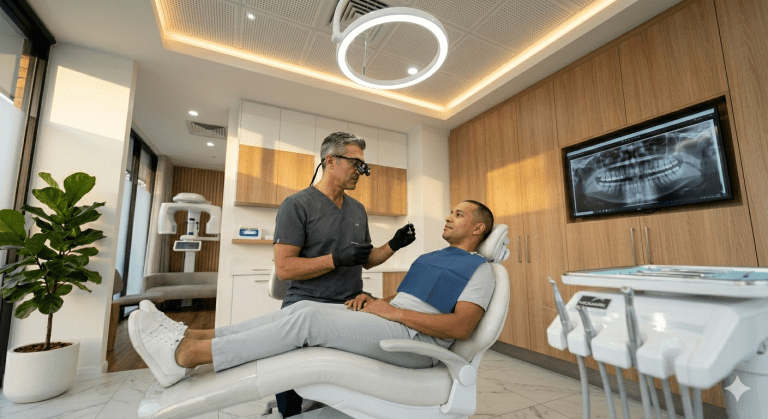
Reception and operatory design now emphasize calm colors, natural light, and private treatment rooms to lower patient stress. Waiting rooms may offer filtered water, comfortable seating, and digital check-in to shorten perceived wait times.
Staff use clear, friendly communication and pre-visit forms to streamline appointments and set expectations. During treatment, clinicians provide frequent updates and empowerment cues — explaining each step, offering breaks, and confirming comfort levels.
Amenities such as blankets, noise-cancelling headphones, and aromatherapy options are common in modern practices. Clinics often list these comforts on their websites so patients can choose a practice that matches their comfort needs and treatment preferences.
What to Expect During Your Dental Checkup
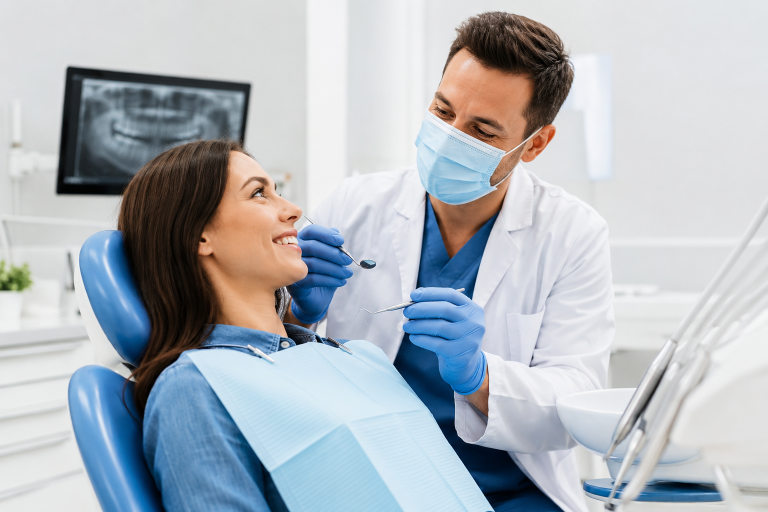
Patients will experience a professional cleaning, a detailed oral exam including X-rays when needed, and a discussion that outlines a personalized care plan with clear next steps. The visit focuses on plaque and tartar removal, early detection of issues, and actionable recommendations for home care and follow-up.
Professional Cleaning Experience
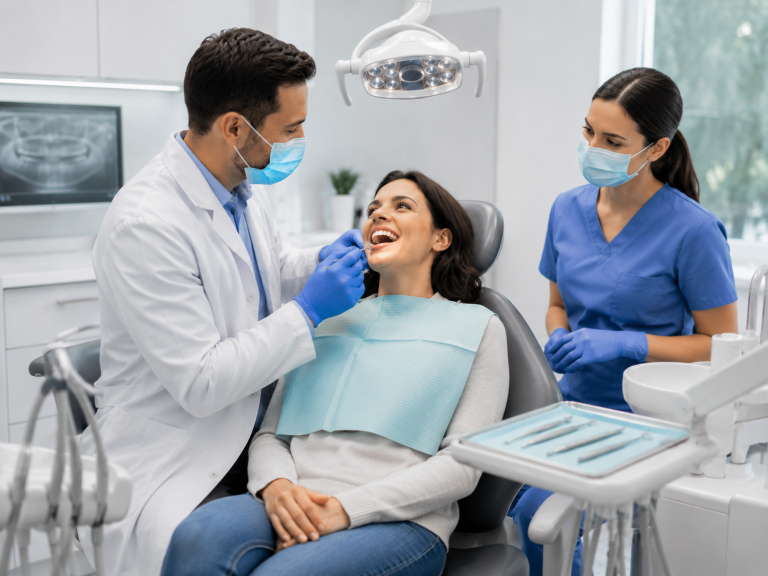
A dental hygienist begins by reviewing the patient’s medical history and any current medications to avoid complications with treatment. They then remove plaque and tartar using scaling instruments and an ultrasonic scaler; this reduces gum inflammation and lowers the risk of periodontal disease.
Polishing follows with a mildly abrasive paste to remove surface stains and smooth enamel for easier plaque control. For patients with sensitive teeth, the hygienist offers desensitizing paste or adjusts polishing pressure to increase comfort.
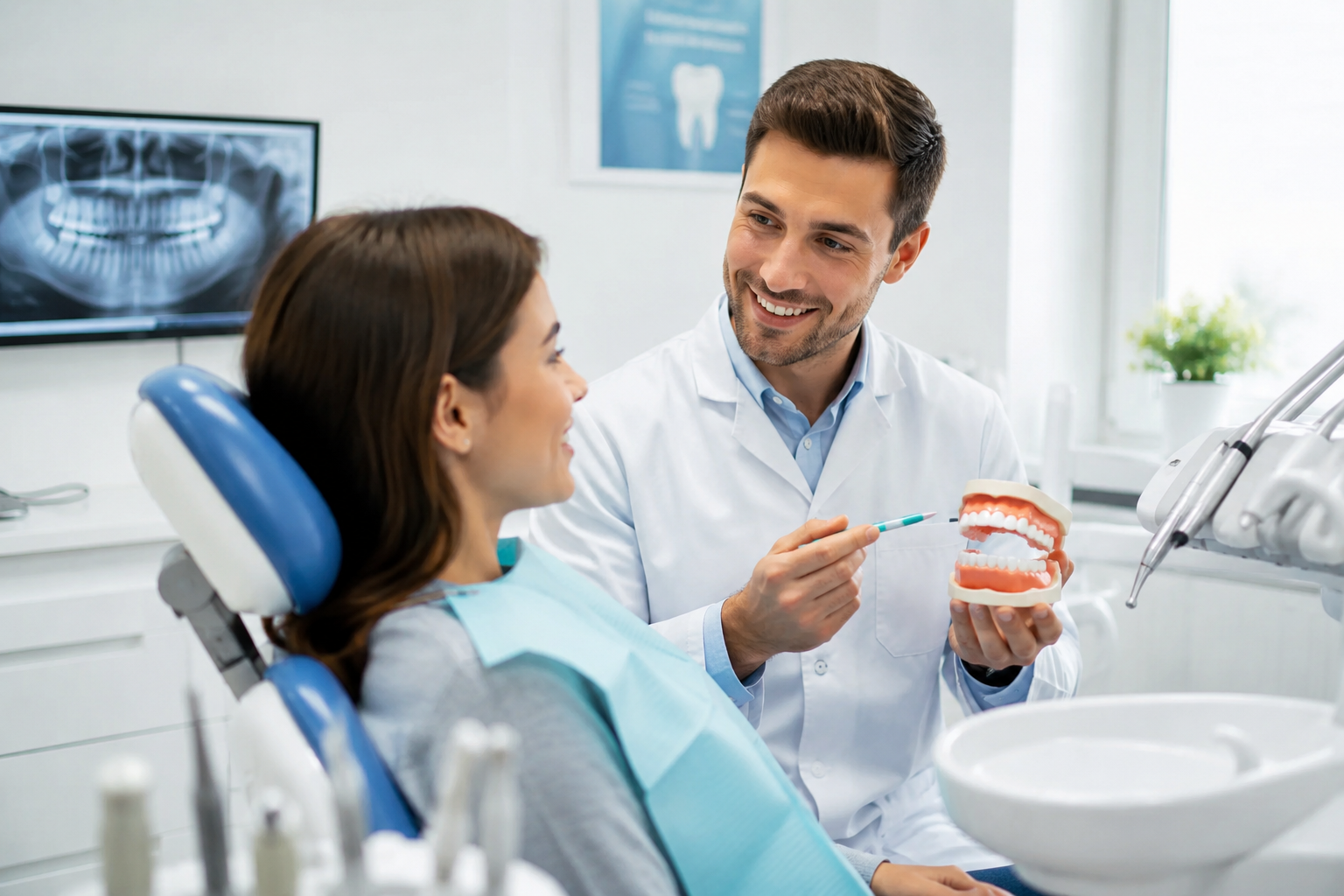
If needed, the team applies topical fluoride or recommends an at-home fluoride regimen to strengthen enamel. The hygienist will demonstrate proper brushing and interdental cleaning techniques, using models or a mirror, and provide specific product suggestions based on the patient’s dental history.
Thorough Oral Assessments
The dentist performs a systematic head-and-neck exam, checking lymph nodes, bite alignment, and jaw joint function to spot signs beyond the teeth. Intraoral inspection looks for decay, worn restorations, soft-tissue lesions, and early signs of oral cancer; each finding is explained in plain language.
Digital X-rays are taken selectively to reveal hidden decay, bone loss, and root issues. They use low radiation and immediate imaging so the dentist can point out concerns on-screen and compare with prior images to track changes over time.
Periodontal probing measures pocket depths around each tooth to evaluate gum health and determine if deep cleaning or periodontal therapy is required. The dentist documents measurements and discusses what those numbers mean for long-term oral stability.
Discussing Customized Care Plans
After assessment, the dentist outlines a tailored plan addressing immediate needs, preventive measures, and any restorative or cosmetic options. They present treatment priorities, estimated timelines, and clear cost estimates, so patients can make informed decisions without surprises.
The plan includes specific home-care instructions—such as twice-daily brushing with a soft-bristled brush, flossing techniques, and recommended toothpaste or mouthwash. If orthodontics, implants, or periodontal therapy are indicated, the dentist explains how each option affects oral health and comfort.
Finally, the staff schedules follow-up visits and explains insurance coverage, financing, and any pre-appointment preparations. They invite questions and confirm the patient feels comfortable with the next steps before leaving the office.
Benefits Beyond Your Teeth
Regular dental visits protect more than enamel and gums. They catch systemic health issues early and help patients feel confident in daily life, from job interviews to social events.
Early Detection of Other Health Issues
Dentists in San Diego routinely screen for signs of systemic disease during cleanings and exams. They check oral tissues for ulcers, discoloration, or lesions that can indicate diabetes, vitamin deficiencies, or oral cancer. A simple oral exam and routine X-rays can reveal bone loss or abnormal tissue that prompts timely medical referral.
Periodontal inflammation links to heart disease and poorly controlled blood sugar. When a hygienist documents rapid gum attachment loss or heavy plaque buildup, the dentist may recommend a medical evaluation and tighter glucose monitoring. Early detection shortens diagnostic timelines and supports coordinated care between dental and medical providers.
Dentists also spot medication side effects and nutritional problems. Dry mouth, for example, often signals prescription effects that raise cavity risk. Identifying these issues lets the dental team suggest saliva substitutes, fluoride treatments, or communication with the patient’s physician to adjust medications if appropriate.
Boosting Self-Confidence with a Healthy Smile
A healthy smile influences social and professional impressions. Patients who receive routine preventive care experience fewer visible stains, chips, and gaps, which often increases willingness to smile and speak in public. Cosmetic improvements—whitening, bonding, or conservative veneers—are easier and longer-lasting when underlying health is maintained.
Routine visits reduce bad breath causes like deep decay or periodontal pockets. Treating those sources restores comfort in close conversations and meetings. Dentists also provide tailored hygiene advice and home-care plans that preserve cosmetic results and minimize future treatments.
For many patients, predictable maintenance removes anxiety about emergency dental visits. Knowing a trusted dental team monitors oral health regularly empowers patients to pursue cosmetic or restorative options with confidence, improving overall quality of life and social functioning.
Overcoming Common Dental Fears
Many patients avoid dental care because of anxiety, past bad experiences, or fear of pain. Practical communication and proven anxiety-reduction options can make visits manageable and even comfortable.
Open Communication with Your Dentist
Patients should describe specific fears at scheduling and on arrival, such as fear of needles, gag reflex sensitivity, or noise from the drill. Dentists can then allocate extra time, plan shorter visits, or use techniques that reduce discomfort.
During the exam, using a simple stop signal—like raising a hand—gives control back to the patient and lowers stress. Clinicians who explain each step in plain language and show instruments before use reduce uncertainty and surprise.
Requesting a pre-visit phone call or reading the clinic’s treatment flow helps set expectations. Patients should also share medical history and medications; this enables safer sedation choices and avoids interactions that could raise anxiety or risk.
Options to Ease Anxiety
Clinics commonly offer multiple methods to reduce fear: topical numbing gels, local anesthesia, nitrous oxide (laughing gas), oral sedatives prescribed before the appointment, and IV sedation for deeper control. Each has different onset times, effects, and recovery needs.
Behavioral strategies also work well: progressive muscle relaxation, guided breathing, and listening to music or podcasts during treatment. Some offices provide noise-cancelling headphones and blankets to increase comfort.
Ask the office for a tailored plan that combines approaches. For example, topical gel plus nitrous oxide suits needle-averse patients, while oral sedatives help those needing several procedures in one visit. Clear instructions about fasting, transportation, and aftercare make sedation safer and reduce post-appointment worry.
Planning for Long-Term Oral Wellness
They should schedule regular dental exams spaced according to personal risk — typically every six months but sometimes more often for gum disease or implant care. Consistent visits catch small problems early and reduce the need for complex treatments later.
A personalized prevention plan helps maintain oral health between appointments. This plan may include tailored home-care tips, fluoride treatments, and adjustments to diet or medication that affect oral tissues.
They should consider long-term investments like dental sealants, night guards, or orthodontic options when appropriate. These interventions protect teeth, reduce wear, and improve chewing and speech over years, not just months.
Tracking oral health over time clarifies trends that a single visit cannot. Digital records and photos create an objective baseline so providers can spot slow changes and recommend timely interventions.
Patients benefit from choosing a dental team that emphasizes comfort and clear communication. A practice that explains options, offers sedation choices, and coordinates with specialists improves outcomes and reduces anxiety.
Practical checklist:
- Book routine exams every 3–12 months as advised.
- Follow a tailored home-care routine: brushing, flossing, and interdental cleaning.
- Discuss preventive products and lifestyle changes at each visit.
They should contact their dentist with questions or to schedule a consultation about long-term care options.
Taking the Next Step Toward a Brighter Smile
They can schedule a checkup today to catch small issues before they become costly problems. Regular visits make treatments simpler, less invasive, and more predictable.
A friendly dental team in San Diego can tailor care to each person’s needs and comfort level. They often offer same-day appointments, sedation options, and clear explanations so patients feel informed and relaxed.
Consider practical first steps: confirm dental insurance benefits, gather a list of current medications, and note any tooth or gum changes. Bringing a brief history helps the dentist prioritize care and create a personalized plan.
Below are quick items to prepare before a visit:
- Insurance card and ID
- Medication list
- Notes on symptoms or concerns
- Recent X-rays if available
They may receive preventive services like cleanings, fluoride, and oral cancer screening during the visit. If restorative work is needed, the dentist will review options with expected timelines, costs, and comfort measures.
Patients should ask about cosmetic and restorative technologies commonly used in San Diego practices, such as digital imaging and tooth-colored restorations. These choices often improve outcomes and reduce chair time.
Encourage scheduling a consultation or calling the clinic with questions about fees, financing, or care options. A brief call can clarify next steps and make the path to a healthier, brighter smile straightforward and stress-free.
Frequently Asked Questions
Regular dental checkups protect oral health, catch problems early, and keep preventive care on track. They clarify frequency, procedures, radiation safety, and simple daily rules patients can use to reduce risk.
How often should I schedule a dental checkup and cleaning if my teeth feel fine?
Most adults should schedule checkups and cleanings every six months. Patients with gum disease, a history of cavities, or certain medical conditions may need visits every three to four months.
What can a routine dental exam catch early that I might not notice at home?
Exams can detect early tooth decay between teeth, minor gum disease, and tiny cracks in teeth before they cause pain. Dentists also screen for oral cancer, bite problems, and changes in restorations such as crowns or fillings.
Why are professional dental cleanings important even if I brush and floss every day?
Professional cleanings remove hardened plaque (calculus) that home care cannot reach. They also polish stains and reduce bacteria that contribute to gum inflammation and bad breath.
What happens during a regular dental checkup, and will it be comfortable?
A checkup generally includes a health history review, oral exam, cleaning, and any needed X-rays. Most patients find the visit tolerable; dentists use numbing, gentle techniques, and explain each step to maintain comfort.
How do dentists use X-rays safely, and how often do I really need them?
Dentists use digital X-rays with low radiation doses and lead aprons when needed. Frequency depends on risk: new patients or those with problems might need X-rays annually, while low-risk patients may need them every two to three years.
What’s the “3-3-3 rule” in dentistry, and how can it help me prevent problems?
The 3-3-3 rule recommends brushing three times a day, flossing three times a week (or daily if plaque accumulates), and visiting the dentist every three to six months based on risk. It gives a simple schedule to reduce plaque buildup, catch issues early, and maintain healthy gums and teeth.