All-On-4 Dental Implants San Diego CA: A Comfortable, Reliable Solution for Your Smile
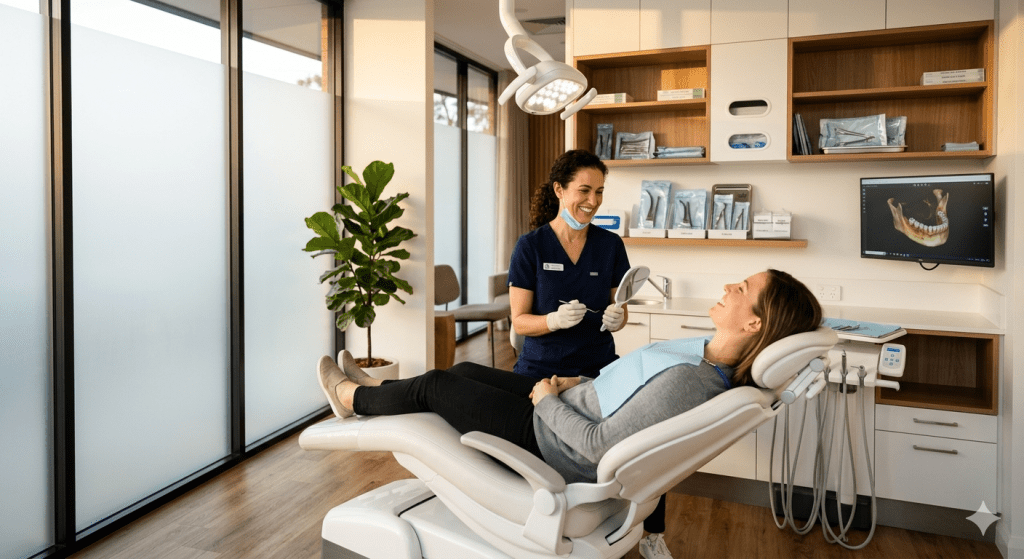
All-on-4 dental implants in San Diego, CA, offer a reliable and efficient way for people to regain a full smile using just four implants. This treatment is designed to support a complete set of replacement teeth, providing stability and comfort without the hassle of traditional dentures. It’s an effective solution that helps patients enjoy eating, speaking, and smiling with confidence again.
Choosing All-on-4 implants means fewer visits and a quicker recovery compared to older methods. Patients often appreciate how this treatment feels natural and requires less bone density, making it accessible to many who thought implants weren’t an option. With advances in dental technology, many San Diego residents are discovering how convenient and life-changing this approach can be.
If someone is curious or worried about losing teeth or struggling with dentures, learning about All-on-4 implants can be reassuring. Talking to a trusted local dental expert is a great next step to see if this modern treatment fits their needs and lifestyle.
Understanding All-On-4 Implants
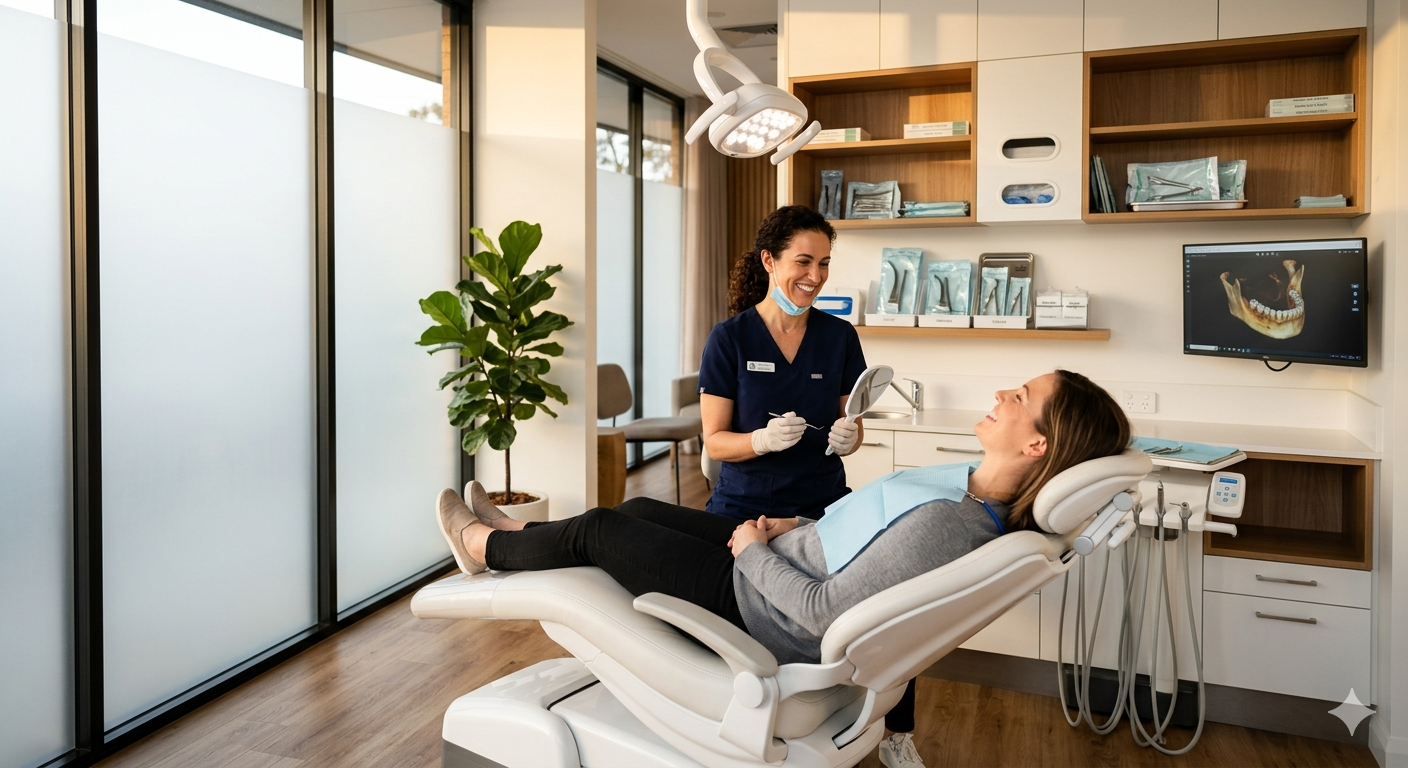
All-On-4 implants offer a streamlined way to replace a full set of teeth using fewer dental implants. This method reduces treatment time and often avoids the need for bone grafting. It can be a game-changer for people seeking reliable and lasting dental restoration.
What Sets All-On-4 Apart from Traditional Implants
Traditional dental implants typically require one implant per tooth, which means 8 to 12 implants for a full arch. All-On-4 uses just four strategically placed implants to support an entire arch of replacement teeth. This approach minimizes surgery and recovery time.
The implants are placed at specific angles to maximize contact with the jawbone, providing stability even in patients with reduced bone density. It also often allows for same-day teeth placement, so patients leave with a functional smile. This makes All-On-4 less invasive and faster than typical implant procedures.
How the Procedure Works
During the procedure, four implants are carefully inserted into the jaw—two in the front and two angled in the back. This configuration uses available bone effectively. After placing implants, a temporary set of teeth is usually attached the same day.
The jaw then heals around the implants over a few months, creating a strong foundation. Once healed, a permanent prosthesis is custom-made and secured to the implants. The entire process usually avoids extra surgeries like bone grafts, making it more comfortable for many patients.
Who Can Benefit from This Option
All-On-4 is ideal for those with multiple missing teeth or failing dentures who want a stable, permanent solution. It suits patients with moderate bone loss who may not qualify for traditional implants without grafting.
People looking for quicker treatment times and fewer surgeries often choose All-On-4. It also benefits those seeking improved chewing function and a natural-looking smile without the hassle of removable dentures. Talking to a dental specialist can clarify if this treatment fits individual needs.
Advantages of All-On-4 for San Diego Patients
All-On-4 dental implants offer a practical and efficient option for those needing full-arch tooth replacement. They reduce time spent in the dentist’s chair and help patients regain function and comfort with fewer obstacles during recovery. The design and procedure also support improved daily living and self-esteem.
Faster Results with Fewer Visits
All-On-4 implants use just four strategically placed implants to support a full set of teeth. This approach means fewer surgical sites and a more straightforward procedure than traditional implants, which may require six or more implants per arch.
In San Diego, this efficiency is especially beneficial for patients balancing busy lifestyles. Many can go from tooth extraction to having a fixed provisional prosthesis in a single day. Fewer office visits reduce travel time and interruptions, making the process smoother for people on tight schedules.
Simplified Recovery Process
Because All-On-4 implants avoid the need for bone grafting in many cases, patients experience less swelling and discomfort after surgery. The fewer surgical sites also lower the risk of complications, promoting quicker healing.
Patients in San Diego can often return to normal eating habits within days, relying on their temporary prosthesis. Follow-up care focuses on monitoring healing and adjusting the restoration, not on extensive recovery protocols. This simplified process makes All-On-4 an attractive option for those wanting to get back to their routine quickly.
Improved Confidence and Comfort
With All-On-4, the prosthesis is securely anchored, eliminating the slipping and clicking common with traditional dentures. This stability improves chewing and speaking, which enhances daily comfort significantly.
Many San Diego patients find their new smile boosts confidence, helping them engage more comfortably in social and professional settings. The natural look of the prosthesis also helps maintain facial structure, reducing the sunken appearance that can occur with missing teeth.
Patients interested in discovering if All-On-4 is right for them are encouraged to schedule a consultation with a local specialist.
Treatment Planning and Personalized Care
Every patient’s smile and oral health needs are unique. Careful planning ensures treatments match individual anatomy, lifestyle, and goals, making the All-on-4 implant process smooth and successful.
Initial Consultation and Assessment
The process begins with a thorough consultation where the dentist reviews medical history, oral health, and specific concerns. This step includes a detailed look at bone density, gum condition, and existing teeth to determine candidacy for All-on-4 implants.
During the exam, comfort and communication are prioritized. Patients are encouraged to ask questions about the procedure, recovery, and expected outcomes. This personalized approach helps build trust and set clear expectations from the start.
Customized Treatment Recommendations
Based on the assessment, the dentist creates a tailored treatment plan. This includes the number and placement of implants, type of restoration, and any preparatory procedures like bone grafting if needed.
The plan also considers lifestyle factors like diet, habits, and daily routines. This ensures the final result not only restores function but fits naturally into the patient’s life, enhancing comfort and long-term success.
Digital Imaging and Smile Design
Advanced digital imaging plays a critical role in treatment planning. 3D scans capture precise details of the jawbone and surrounding tissues, guiding implant placement with accuracy.
Using digital smile design tools, the dentist visualizes the final outcome. Patients can see a preview of their new smile, helping them feel confident and involved in the process before any work begins. This technology reduces surprises and improves overall satisfaction.
What to Expect During the Procedure
The All-on-4 dental implant process is designed to be efficient and patient-friendly. It involves carefully planned steps to restore a full smile with minimal discomfort. Knowing how the procedure unfolds and what to expect can help patients feel more relaxed and prepared.
Sedation Options and Patient Comfort
Patients receive sedation tailored to their comfort level. Common choices include local anesthesia combined with sedation options like nitrous oxide (laughing gas) or oral sedatives. For those with anxiety or sensitive gag reflexes, IV sedation may be offered, providing a deeper state of relaxation.
Throughout the procedure, the dental team closely monitors vital signs to ensure safety. Comfort measures such as cushioning, breaks if needed, and a calm environment help minimize stress. The process is generally pain-free, with most discomfort managed by medication after the procedure.
Step-by-Step Overview
The procedure begins with removing any remaining damaged teeth in the arch. Then, the dentist places four titanium implants strategically in the jawbone for maximum support.
Next, a custom-made, temporary prosthesis is secured to the implants—often on the same day. This temporary set allows immediate function and appearance while the implants integrate with the bone over the next few months.
Adjustments to bite and fit are made during follow-up visits to ensure comfort. Once healing is complete, permanent prosthetics are crafted and attached for long-lasting results.
Timeline from Start to Finish
The entire process typically spans 3 to 6 months. The initial day involves consultation, imaging, and surgery, with immediate placement of the temporary teeth.
Following the surgery, there is a healing phase called osseointegration, which takes about 3 to 4 months. During this time, the jawbone bonds with the implants, providing a secure foundation.
After healing, patients return for the final prosthetic fitting. A few adjustments may be necessary to perfect bite and comfort. Regular check-ups afterward maintain implant health and functionality.
Caring for Your New Smile
Proper care after receiving all-on-4 dental implants is essential for lasting results and comfort. Following specific hygiene practices, avoiding harmful habits, and keeping regular dental appointments all work together to protect the investment in your new smile.
At-Home Oral Hygiene Tips
Maintaining excellent oral hygiene is crucial for the success of all-on-4 implants. Patients should brush twice daily using a soft-bristle toothbrush and non-abrasive toothpaste to avoid damaging the implant surfaces. An electric toothbrush can be especially helpful for thorough cleaning without excessive pressure.
Flossing around the implants helps remove plaque in hard-to-reach areas. Using a water flosser or interdental brushes can make this easier and more effective. Rinsing with an antimicrobial mouthwash daily also reduces bacteria and promotes gum health.
Consistent, gentle cleaning prevents inflammation and keeps your gums healthy. It’s best to avoid harsh scrubs or abrasive pastes that could irritate the implant sites.
What to Avoid After Surgery
In the weeks following surgery, it’s important to avoid certain activities to ensure proper healing. Patients should not chew hard or sticky foods like nuts, tough meats, or caramel for at least two months to protect the implants from excessive force.
Smoking and alcohol consumption can delay healing and increase the risk of infection. Both should be avoided, especially during the first few weeks post-surgery. Strenuous physical activity is also discouraged to reduce swelling and bleeding risks.
Cold or hot beverages may cause sensitivity initially, so it’s wise to consume foods and drinks at moderate temperatures. Following these precautions helps avoid complications and supports a smooth recovery.
Follow-Up Visits and Long-Term Maintenance
Regular follow-up visits allow the dentist to monitor the implants and address any early issues. Typically, the first check-up is scheduled 1-2 weeks after surgery, with subsequent appointments every 3-6 months depending on individual needs.
Professional cleanings remove buildup that daily brushing can miss. The dentist also assesses the condition of the prosthesis and the surrounding bone and gum tissue.
Long-term care includes maintaining oral hygiene routines and promptly reporting any discomfort, looseness, or unusual pain. Staying proactive ensures the implants last for many years.
Choosing the Right Dental Team in San Diego
Finding a skilled and compassionate dental team can make all the difference when considering All-on-4 dental implants. The right provider combines technical ability with patient-focused care, creating a smooth and confident experience.
Qualities to Look for in a Provider
A dependable dental team should offer clear communication and patient education. They take time to explain the procedure, costs, and recovery, helping patients feel comfortable and informed. Look for a team that values your concerns and answers questions patiently.
Comfort and personalization matter, too. Good providers tailor treatment plans to individual needs instead of using a one-size-fits-all approach. You want a team that makes you feel heard, respected, and supported throughout the implant process.
Importance of Experience and Training
Experience directly impacts implant success. Providers who have performed numerous All-on-4 procedures are more likely to anticipate challenges and adjust treatments effectively. In San Diego, many experienced specialists also use advanced technology like 3D imaging to plan surgeries with precision.
Ongoing training ensures dentists stay current with industry advancements. Choose a team that pursues regular education on implant techniques and materials. This commitment to learning improves treatment outcomes and patient safety, building trust in their expertise.
Cost Considerations and Financing Options
Understanding the costs and payment choices for all-on-4 dental implants helps patients plan effectively. Pricing varies based on several important factors. There are also different ways to manage payments, including insurance and financing plans.
Factors That Influence Pricing
The total price for all-on-4 implants in San Diego depends on multiple elements. These include the number of implants placed, the type of materials used, and any preparatory procedures like bone grafting. The skill and experience of the dental team also affect costs.
Additional fees may cover consultations, X-rays, and the final prosthetic teeth. Some clinics offer packages that combine all stages into one price. Patients should ask if follow-up visits or potential adjustments are included.
Insurance and Payment Plans
Most dental insurance plans do not fully cover implant procedures but may help with parts like extractions or X-rays. Patients should check their individual policies carefully. Some clinics work with insurance companies to maximize benefits.
Many offices provide financing options such as monthly payment plans or low-interest loans. These make treatment more accessible by spreading out costs over time. It’s important to review terms and choose a plan that fits the patient’s budget comfortably.
Common Concerns and Real Patient Stories
Many patients worry about the surgical process and recovery, while others wonder how real people have experienced All-on-4 implants in San Diego. Understanding common fears and hearing actual patient experiences can help ease concerns and build confidence.
Addressing Fears About Dental Surgery
It’s normal to feel nervous about dental surgery. Most patients are concerned about pain, recovery time, and possible complications. All-on-4 implants involve placing four strategically angled implants to support a full arch, which reduces surgery time and invasiveness.
Local dentists use sedation and numbing techniques to keep patients comfortable. Recovery usually takes a few days, with manageable swelling and mild discomfort. Clear aftercare instructions also help prevent infection and speed healing. Many patients find the procedure less intimidating after speaking with their dental team and learning what to expect step-by-step.
Testimonials from Local Patients
Real patient stories often highlight how quickly life improves after receiving All-on-4 implants. One San Diego resident shared that eating and speaking became easier within weeks, and she felt confident smiling again. Another patient noted the minimal downtime allowed him to return to work almost immediately.
Patients frequently mention the kindness and professionalism of their dental providers. Many describe the treatment as life-changing, particularly in regaining comfort and avoiding dentures. These firsthand accounts provide practical insight and reassurance for prospective candidates thinking about the procedure.
Next Steps: Scheduling a Consultation
Scheduling a consultation is the first step toward discovering if all-on-4 dental implants are the right choice. During this visit, the dental team will review the patient’s medical history, examine their oral health, and discuss their goals for treatment.
Most clinics in San Diego offer digital imaging during consultations to give a clear picture of the jawbone and overall dental structure. This helps the dentist plan the implant placement with precision and explain the process clearly.
Patients can expect to ask questions about the procedure, recovery time, and payment options. It’s a relaxed and informative meeting designed to address any concerns about comfort and outcomes.
For convenience, many offices offer flexible appointment times, including evenings or weekends. Calling ahead or booking online can make setting up the visit easy and stress-free.
| What to Bring to Your Consultation | Why It’s Important |
|---|---|
| Current dental X-rays | Helps the dentist assess your needs |
| List of medications | Ensures safe treatment planning |
| Insurance information | Clarifies coverage and costs |
Encourage patients to prepare a list of questions to get the most out of this appointment. A consultation is a chance to feel comfortable with the team and understand the path forward.
Frequently Asked Questions
This section covers important details about candidacy, the treatment process, costs, recovery, and implant options. It also highlights how to find a trusted dental team to guide patients through the journey.
Am I a good candidate for a full-arch implant solution if I have missing or failing teeth?
Candidates generally need adequate bone structure and good overall health. Those with advanced gum disease or significant bone loss may require preliminary treatments.
Candidates who are non-smokers and committed to oral hygiene typically have better outcomes. A consultation with a dental implant specialist will determine if All-on-4 is right for them.
What does the all-on-4 process look like from consultation to getting my final teeth?
It starts with a thorough exam, X-rays, and digital scans to plan implant placement precisely. Surgery involves placing four implants per arch, often with immediate temporary teeth.
After a healing period of a few months, permanent prosthetic teeth are custom-made and attached. The process usually includes regular check-ups to monitor healing and fit.
How much should I expect to pay for a full-mouth implant treatment, and what factors affect the total cost?
Costs vary, typically ranging from $20,000 to $35,000 per arch. Factors include the need for extractions, bone grafts, type of prosthetic teeth, and geographic location.
Insurance coverage varies widely, so patients should review their plans beforehand. Financing options are often available to make treatment more affordable.
Can I get temporary teeth the same day as surgery, and what will eating and speaking be like afterward?
Most patients receive temporary teeth on the same day as implant placement. These allow normal speaking and basic eating but require softer foods initially.
Healing takes several months, so diet adjustments are essential to avoid stress on implants. Speech usually improves quickly as patients adapt to their new teeth.
What’s the difference between all-on-4 and all-on-6, and how do I know which option fits my needs?
All-on-4 uses four implants to support a full arch, while All-on-6 adds two more implants for extra stability. All-on-4 suits patients with average bone volume; All-on-6 may be recommended for those needing more support.
Your dentist will evaluate bone density and bite forces to decide which system offers the best long-term results. Both options aim for durable, natural-feeling teeth.
How can I choose a trusted implant team, and what questions should I ask at my consultation?
Look for experienced specialists with good patient reviews and advanced technology. Ask about their success rates, the team’s experience with All-on-4, and what to expect during recovery.
Inquire about pain management, the customization process, and financing options to feel confident in your decision. A good team listens carefully and encourages open communication at every step.