Emergency Dental Services San Diego CA: Your Friendly Guide to Quick, Comfortable Care
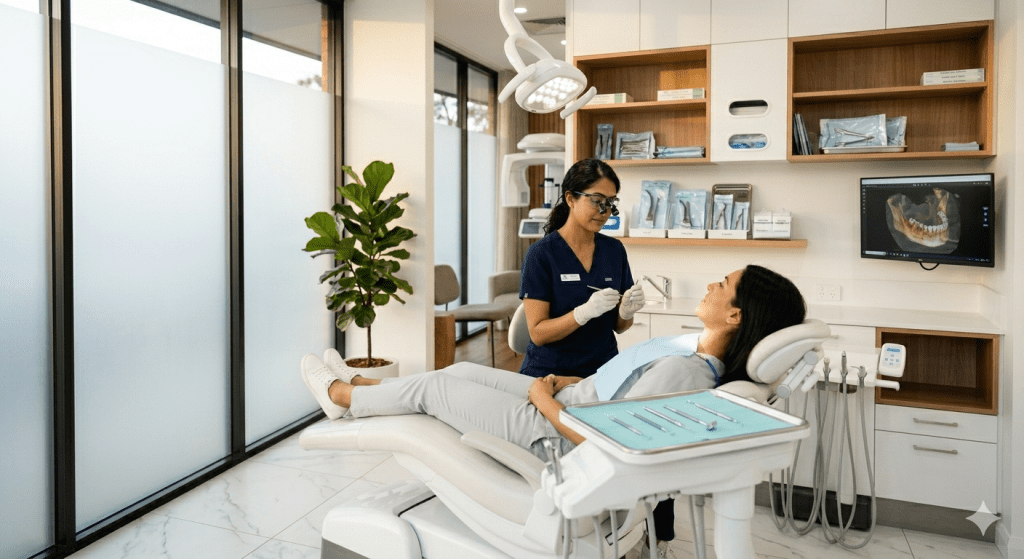
Dental emergencies can happen unexpectedly, leaving people in pain and unsure where to turn. Emergency dental services in San Diego, CA, offer prompt care for issues like toothaches, broken teeth, and infections to relieve pain and prevent further damage. These facilities prioritize quick access and expert treatment, so patients get the help they need without unnecessary delay.
Whether it’s a weekend or late at night, many emergency dental clinics in San Diego provide flexible hours to accommodate urgent needs. They focus on patient comfort, using modern technology and gentle techniques to make emergency visits as stress-free as possible.
Knowing where to go and what to expect can ease the anxiety around dental emergencies. This guide explores the types of emergencies treated, how to prepare, and when to seek care so that anyone facing a dental crisis in San Diego can feel confident and supported.
What Qualifies as a Dental Emergency
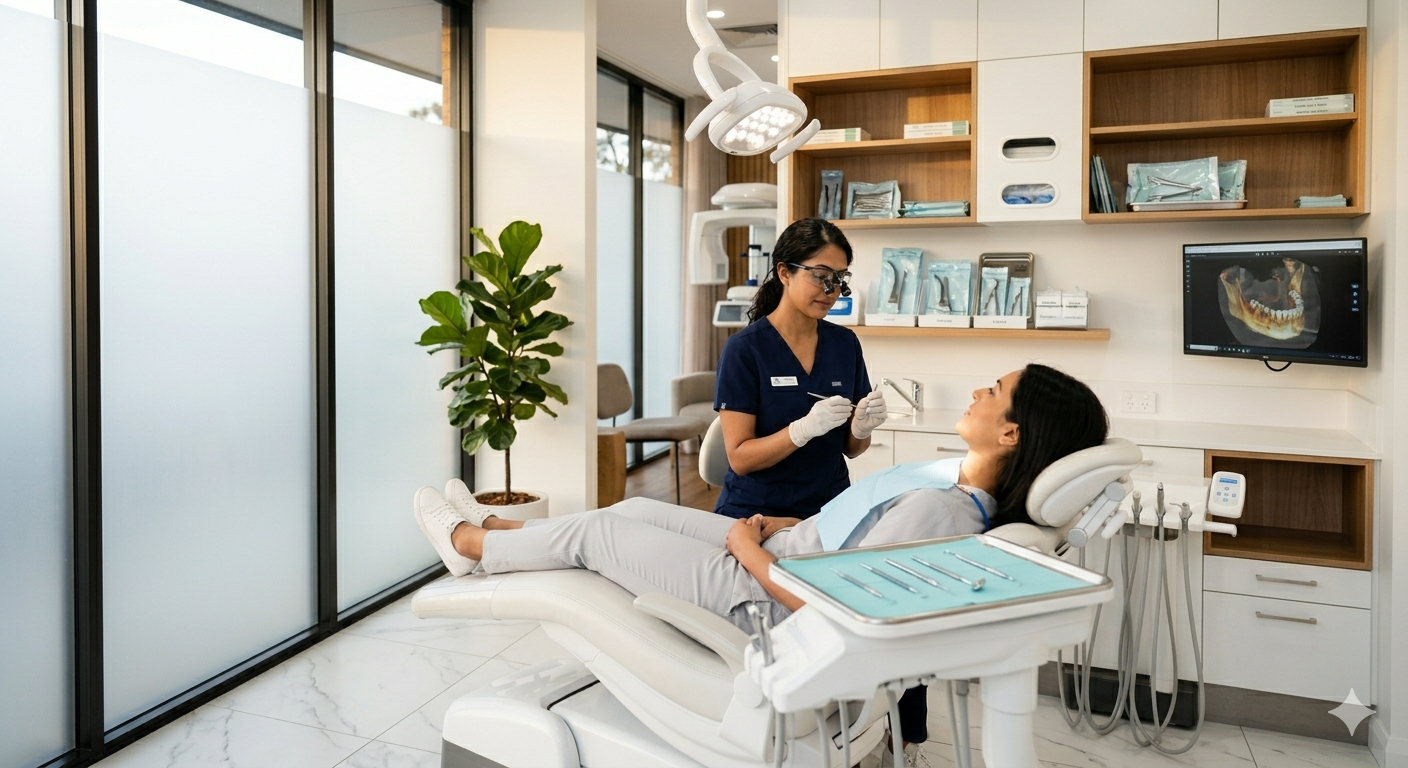
Certain dental problems demand swift attention to prevent worsening pain or damage. Knowing when an issue requires immediate care versus when it can wait will help patients make better decisions and protect their oral health.
Recognizing Urgent vs. Non-Urgent Dental Issues
Urgent dental problems often involve severe pain, bleeding, or damage that cannot wait for a routine appointment. Examples include knocked-out teeth, severe toothaches, fractured teeth exposing nerves, and uncontrolled bleeding after an injury. These situations need prompt care to reduce pain, save teeth, or prevent infection.
Non-urgent issues may include minor chips, loose crowns without pain, or mild sensitivity. These problems should be addressed soon but typically do not require emergency treatment. Understanding the difference helps avoid unnecessary panic and ensures timely professional help when it really counts.
Common Symptoms Requiring Immediate Care
Symptoms signaling a dental emergency include:
- Intense, persistent tooth pain that affects daily activities
- Heavy oral bleeding from trauma that won’t stop after 15 minutes of pressure
- A tooth completely dislodged from its socket
- Visible swelling on the face or gums that hinders breathing or swallowing
- Signs of infection such as fever, pus, or red, tender gums near a tooth
If these occur, rapid intervention can prevent complications like infection spreading, tooth loss, or prolonged pain.
When to Seek Emergency Help
Emergency dental care should be sought if symptoms are severe, sudden, or worsen quickly. For example, after a fall causing facial injury, or when pain suddenly intensifies and over-the-counter medication doesn’t work, immediate care is crucial.
Waiting too long can make treatment more complicated or less effective. Patients experiencing severe pain, trauma, or signs of infection should contact an emergency dentist in San Diego promptly, rather than waiting for their regular dental appointment.
Types of Dental Emergencies Treated
Emergency dental care in San Diego handles a range of urgent issues that require quick attention to relieve pain and save teeth. These services focus on immediate relief and preventing further damage.
Severe Toothaches and Infections
Severe toothaches often signal underlying issues like decay, abscesses, or gum infections. These can cause intense pain, swelling, and sensitivity to hot or cold. Timely treatment is crucial to prevent the infection from spreading.
Dentists typically examine the tooth and may order X-rays to find the source of pain. Treatment might include draining an abscess, prescribing antibiotics, or performing root canal therapy to save the tooth. Managing pain quickly helps patients feel better and prevents complications.
Knocked-Out or Broken Teeth
Accidents can lead to teeth being knocked out or broken. In the case of a knocked-out tooth, reaching the dentist within one hour improves chances of reimplantation. Patients should keep the tooth moist, ideally in milk or saliva, and avoid cleaning it aggressively.
Broken teeth vary from small chips to large fractures exposing the nerve. Treatment options include bonding, crowns, or root canals depending on severity. Emergency dentists stabilize the tooth to relieve pain and restore function, helping patients return to normal eating and speaking quickly.
Lost Fillings or Crowns
Fillings or crowns that fall out expose the tooth’s sensitive inner layers, causing discomfort and increasing the risk of infection. Patients often experience sharp pain or sensitivity to temperature changes until the restoration is replaced.
Emergency care focuses on protecting the exposed tooth with temporary materials to reduce pain. Dentists assess the damage and recommend repairing or replacing the restoration promptly to prevent further decay or damage. Immediate attention preserves dental health and comfort.
How Emergency Dental Visits Work
Emergency dental visits in San Diego begin with a quick assessment to identify pain sources and the extent of damage. Dentists focus on reducing discomfort, stopping any bleeding, and preventing infection. Treatment steps vary based on injury type but are designed to stabilize the issue swiftly and effectively.
What to Expect During Your Appointment
When patients arrive, they are usually seen promptly or within a short wait time. The dentist or hygienist asks about symptoms, medical history, and how the injury or pain started. A physical exam follows, checking teeth, gums, and jaw for visible damage or swelling.
X-rays may be taken to pinpoint fractures or internal issues. Patients can expect clear communication about findings and a simple treatment plan explained before any procedures begin. Comfort measures, like local anesthesia, help ensure the process is as pain-free as possible. Staff members often offer advice on managing pain or swelling until treatment starts.
Steps Dentists Take to Relieve Pain
Pain relief is a priority and starts with a local anesthetic to numb affected areas. For infections, antibiotics may be prescribed immediately. Dentists use different tools to either repair damaged teeth, remove debris, or drain abscesses to reduce pressure and discomfort.
In some cases, splints or temporary crowns stabilize loose or broken teeth. If swelling is present, cold compresses or anti-inflammatory medications are recommended to control it. The dentist guides patients on how to care for the injury at home, emphasizing gentle cleaning and avoiding certain foods or activities.
Typical Timeline for Emergency Treatment
Most emergency dental treatments happen during a single visit, especially for pain control and initial stabilization. Simple repairs or cleanings can take less than an hour. More complex procedures, like root canals or extractions, might require scheduling follow-up appointments.
Patients are often asked to return within a few days to check healing or to receive definitive treatments like permanent crowns or orthodontic adjustments. During visits, dentists provide clear timelines and what symptoms may require returning sooner to prevent complications.
Available After-Hours and Same-Day Care Options
Patients needing urgent dental care in San Diego benefit from a variety of options that extend beyond typical office hours. There are reliable ways to find dentists who offer evening and weekend availability, plus strategies to secure quick appointments for immediate treatment.
Finding Late Night and Weekend Dentists
San Diego has several dental offices and urgent care clinics that provide late-night or weekend services. Many practices list after-hours availability clearly on their websites or include an emergency contact number for urgent inquiries. Patients can also check directories like the California Dental Association’s Emergency Dental Care page for local providers open outside normal business hours.
Walk-in clinics and hospital emergency departments sometimes handle dental emergencies when regular offices are closed. However, hospitals mainly address pain or trauma, not complex dental repairs. Calling ahead helps confirm if a dentist is available and can address the specific issue. It’s wise to keep a small list of these contacts saved for quick reference during emergencies.
Arranging Prompt Appointments
Same-day appointments are common for emergency dental patients but may depend on the severity of the condition and office capacity. Some dentists block a few spots daily specifically for urgent cases to avoid long wait times. Calling early in the day or using online booking tools increases chances of securing prompt care.
Patients should clearly describe symptoms when booking, such as severe pain, swelling, or a knocked-out tooth, to prioritize the visit properly. Keeping medical history and insurance information handy speeds up the intake process. If an emergency needs immediate attention, dentists often offer flexible scheduling or direct patients to nearby after-hours centers.
Preventing Future Dental Crises
Taking steps to avoid dental emergencies focuses on daily care and simple protective measures. Small habits can greatly reduce the risk of sudden pain or damage.
Oral Hygiene Habits That Help
Maintaining consistent brushing and flossing routines is crucial. Brushing twice a day with fluoride toothpaste removes plaque and prevents cavities from forming.
Flossing daily clears food particles and bacteria between teeth where brushes can’t reach. This helps avoid gum infections that may escalate into emergencies.
Using an antibacterial mouthwash can reduce harmful bacteria further and support gum health. Regular dental check-ups catch issues early before they become urgent.
Limiting sugary snacks and drinks also protects tooth enamel. Sugar feeds bacteria that cause decay, which can lead to painful problems later.
Steps to Protect Your Teeth at Home
Wearing a mouthguard during sports or physical activities prevents chips and fractures. Custom-fitted guards offer the best protection.
Avoid using teeth to open packages or bite hard objects like ice. This can cause cracks or breaks needing emergency care.
If teeth feel sensitive or if there’s persistent discomfort, addressing it early with a dentist is key. Ignoring minor issues may trigger a crisis.
Keeping basic emergency dental supplies at home — like dental wax, temporary filling material, and pain relief — can provide short-term comfort until professional help is available.
Choosing a Trustworthy San Diego Emergency Dentist
Finding the right emergency dentist means focusing on key qualities that ensure quick, effective care with a calm and confident approach. Experience in the local area plays a major role in understanding patient needs and providing reliable support during urgent situations.
Qualities to Look For in a Provider
A trustworthy emergency dentist offers more than just availability. Look for clear communication, so patients understand their treatment options and feel reassured amid pain or worry. The dentist should show compassion and patience, helping to reduce anxiety during emergency visits.
Modern equipment and up-to-date techniques signal a commitment to quality care. Verify if the practice accepts your insurance or offers flexible payment plans, easing the financial stress often tied to unexpected dental work.
Also, check for positive patient reviews highlighting prompt response times and successful pain relief. Dentists who provide 24/7 access or same-day appointments are better prepared for urgent cases.
Importance of Local Experience
A dentist familiar with San Diego’s community understands common dental issues influenced by local lifestyle and climate. Local knowledge ensures faster referrals, smoother insurance handling, and trusted relationships with area specialists.
Being nearby means less travel time when pain is intense or aftercare requires follow-up visits. Practices embedded in the community often adapt their hours and services based on local demands and emergencies like sports injuries or beach-related accidents.
Choosing a dentist who has treated patients in San Diego’s diverse population helps ensure personalized care. They are more likely to provide culturally sensitive communication and a welcoming environment for all residents.
Costs and Insurance for Urgent Dental Care
Emergency dental visits can vary widely in cost depending on the severity of the problem and the treatments required. Insurance coverage also plays a big role in shaping out-of-pocket expenses and payment options.
Understanding Emergency Visit Fees
Emergency dental fees usually start with an initial exam and consultation, often priced between $50 and $150. Additional costs depend on the treatment, such as tooth extractions, which can range from $150 to $300, or root canal therapy, which may cost $500 to $1,200.
Urgent procedures may require X-rays or medications, adding $100 to $200 to the bill. Some clinics charge extra for after-hours or same-day care. It helps to ask upfront about all fees to avoid surprises.
Navigating Insurance and Payment Options
Most dental insurance plans cover emergency visits but often with a deductible and co-pay. Coverage varies widely, so patients should review their policy details carefully. Procedures like cleanings or exams are usually covered, but restorative treatments may have limits.
Many dental offices accept major credit cards, offer payment plans, or provide CareCredit options to spread out costs. Some clinics also have sliding scale fees based on income. Asking about financial options can make urgent care more affordable and less stressful.
What to Do While Waiting for Your Appointment
If someone is waiting for their emergency dental appointment, there are a few simple steps they can take to manage pain and prevent further damage. Applying a cold compress to the outside of the cheek can reduce swelling and numb the area temporarily.
Rinsing the mouth gently with warm salt water helps clean the area and soothes irritation. Avoid using aspirin or placing it directly on the gums, as it can cause burns.
For toothaches, over-the-counter pain relief can help, but it’s important to follow the dosage instructions carefully. If a tooth is knocked out, keeping it moist is critical; placing it in milk or a saliva-soaked cloth is recommended until reaching the dentist.
Avoid chewing on the side of the mouth experiencing pain or injury. Soft foods and room-temperature liquids are best to prevent discomfort or further damage.
Here is a quick checklist of things to do:
| Action | Reason |
|---|---|
| Apply cold compress | Reduce swelling and numb pain |
| Rinse with salt water | Clean area and soothe gums |
| Take OTC pain medicine | Manage discomfort |
| Keep a knocked-out tooth moist | Preserve for re-implantation |
| Avoid chewing on injured side | Prevent further damage |
These steps help maintain comfort and protect your teeth until professional care is available. If pain worsens or new symptoms arise, contacting the dental office promptly is important.
How to Stay Calm and Comfortable During Dental Emergencies
When a dental emergency strikes, staying calm is key. Taking slow, deep breaths can help reduce anxiety and clear the mind. Reminding yourself that help is available makes the situation less overwhelming.
Basic comfort steps can make a big difference:
- Use a cold compress on the affected area to reduce swelling.
- Avoid touching or wiggling a loose tooth.
- Rinse your mouth gently with warm salt water if there’s bleeding or discomfort.
Distractions can also be helpful. Listening to calming music or focusing on positive thoughts can ease nerves while waiting for professional care.
If pain is intense, over-the-counter pain relief may be appropriate, but it’s best to check the package instructions. Drinking plenty of water and sitting upright can also support comfort without worsening symptoms.
Remember, emergency dental teams are trained to provide gentle treatment and ease pain quickly. Encouraging patients to call their San Diego emergency dentist early ensures quicker relief and better outcomes. Keeping a dental emergency kit stocked with essentials like gauze, a small container, and pain relievers can prepare anyone for unexpected issues.
Encouragement for Seeking Timely Help
When a dental emergency strikes, acting quickly can make a big difference. Delaying treatment may lead to increased pain, infection, or even more complex problems down the line. Patients should know that emergency dental services in San Diego are ready to help, often offering same-day appointments.
It’s important to remind people that no dental issue is too small to address. Whether it’s a chipped tooth, severe toothache, or an abscess, getting professional care promptly can prevent complications. Many practices use modern technology to reduce discomfort and speed up healing.
Key reasons to seek timely dental care include:
- Relief from pain and discomfort
- Prevention of infection spread
- Increased chances of saving the natural tooth
- Faster and simpler treatment process
Dental emergencies often happen unexpectedly. Having contact details of a trusted local emergency dentist can ease stress and provide peace of mind.
Encouraging patients to reach out at the first sign of trouble promotes better oral health. If uncertain about symptoms, asking a dental professional for advice is always a smart step. Routine check-ups combined with timely emergency care create a strong defense against long-term issues.
Frequently Asked Questions
Emergency dental care can feel overwhelming, but knowing what steps to take and where to turn makes a big difference. Understanding how to handle pain, injuries, insurance, and after-hours care helps patients feel more confident when urgent needs arise.
How do I know if my tooth pain is a true emergency or something that can wait until morning?
Severe pain that lasts longer than a few hours, sharp throbbing, swelling, or signs of infection like fever usually require immediate care. Minor sensitivity or mild discomfort without swelling can often wait for a regular appointment.
What should I do right away if a tooth gets knocked out or chipped from an accident?
If a tooth is knocked out, rinse it gently without scrubbing and try to place it back in the socket or keep it in milk or saliva. For chips, rinse your mouth and save any fragments. Seek emergency dental care immediately.
Can I get emergency dental care if I don’t have insurance, and what payment options are usually available?
Many clinics offer payment plans, sliding scale fees, or accept credit cards for uninsured patients. It’s best to call ahead and discuss options so you’re prepared before treatment.
Do emergency dental clinics typically accept Medi-Cal, and what should I bring to my visit?
Many emergency dental providers in San Diego accept Medi-Cal, but coverage varies. Bring your Medi-Cal card, valid ID, and any previous dental records if you have them.
Where can I find a dentist who’s open after hours or on weekends for urgent dental problems?
Several San Diego emergency dental clinics stay open late or on weekends. Online listings, 24-hour hotlines, or your regular dentist’s emergency contact information are good resources to find available care.
What can I safely do at home to manage swelling or a possible tooth infection until I’m seen by a dentist?
Apply a cold compress to reduce swelling and take over-the-counter pain relievers as directed. Avoid hot foods and keep the area clean by gently rinsing with warm salt water but do not apply aspirin to the gums.