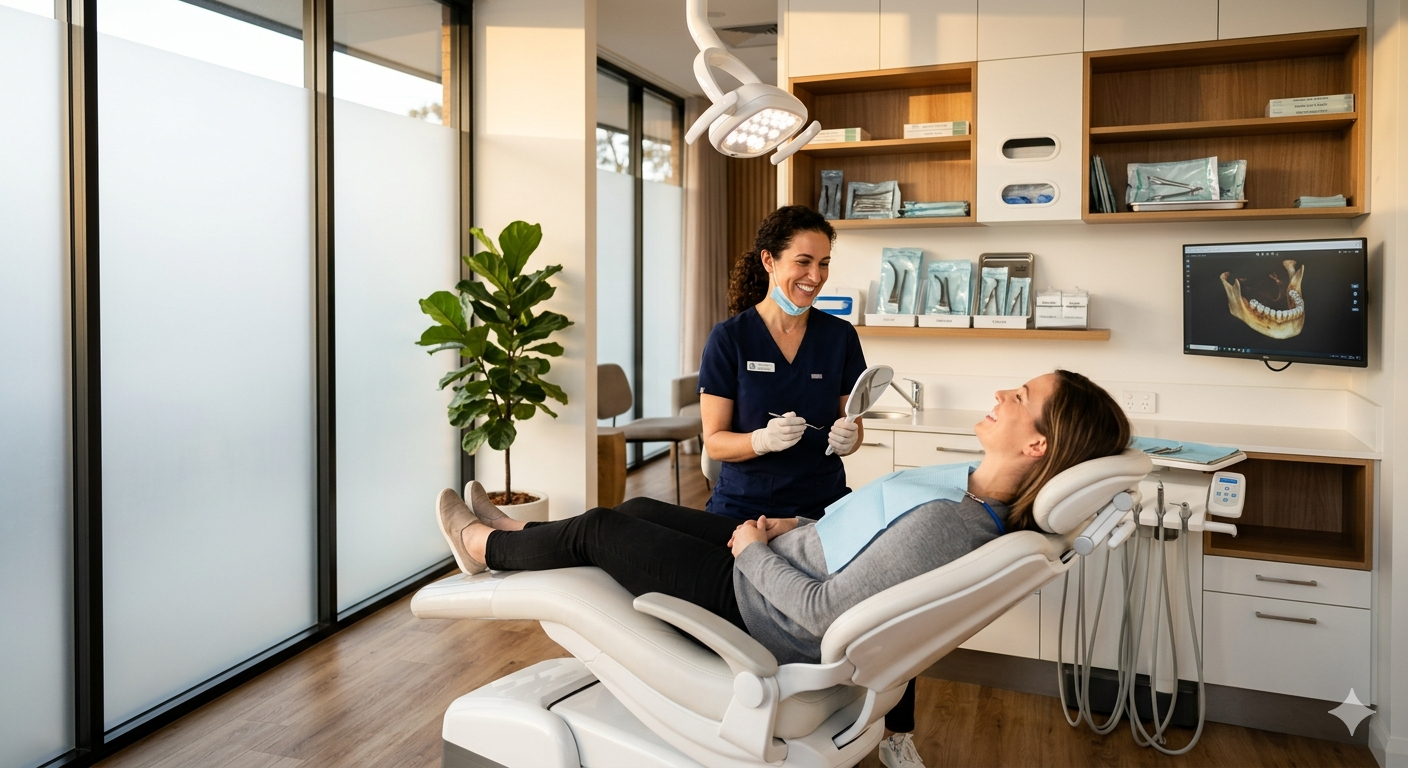
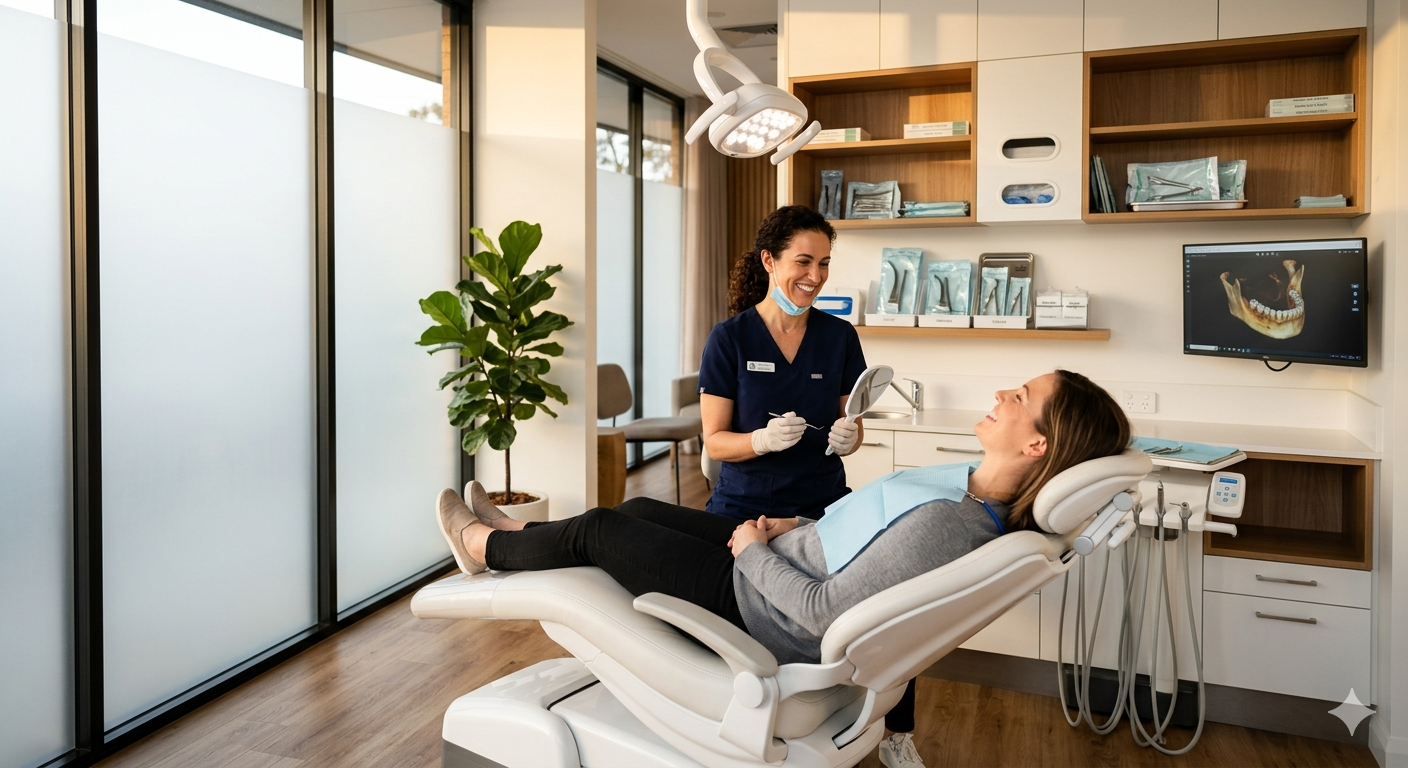
You can explore full mouth restoration options in San Diego with confidence, knowing experienced specialists combine implants, crowns, bridges, and modern restorative techniques to rebuild function and appearance. A personalized treatment plan from a San Diego dental team can restore chewing, comfort, and a natural-looking smile within a predictable timeline.
They explain common concerns like tooth loss, worn bites, and chronic pain, then match treatments—from restorative crowns and implant-supported prostheses to digital planning and sedation—to each person’s needs. Expect clear cost guidance, recovery tips, and a focus on comfort and long-term oral health as you move from consultation to a healthier, more confident smile.
Understanding Full Mouth Restoration
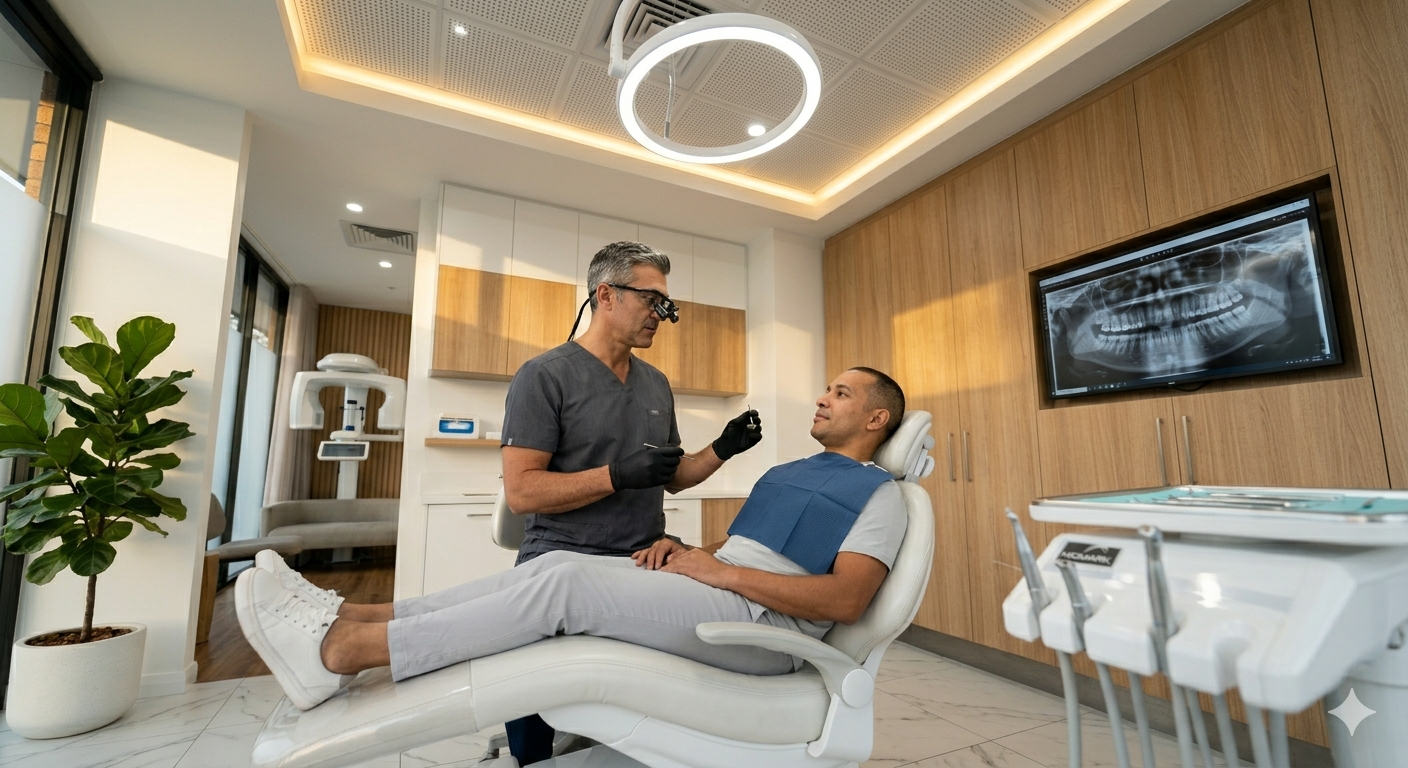
Full mouth restoration repairs and restores all or most teeth to improve chewing, appearance, and jaw function. It combines dental specialties—restorative, prosthodontic, surgical, and cosmetic—to create a coordinated treatment plan tailored to each patient’s needs.
What Full Mouth Restoration Involves
A full mouth restoration typically begins with a comprehensive exam: digital X-rays, intraoral photos, bite analysis, and sometimes CBCT scans. The dentist documents worn teeth, missing teeth, gum health, TMJ status, and existing restorations to map priorities.
Treatment mixes procedures depending on goals. Common elements include crowns and onlays to rebuild damaged teeth, dental implants or bridges to replace missing teeth, periodontal therapy to treat gum disease, and root canals when needed. Orthodontics or bite equilibration may correct occlusion and distribute forces evenly.
The process often phases care over weeks to months. Phase 1 addresses infection and gum health. Phase 2 reconstructs teeth and restores vertical dimension. Phase 3 places final prosthetics and refines bite. Dentists use materials such as zirconia crowns, porcelain veneers, and implant-supported prostheses for durability and appearance.
Who Might Benefit Most
Patients with widespread tooth wear from grinding, multiple failing restorations, extensive decay, or advanced gum disease often need full mouth restoration. Those with missing teeth that compromise chewing, or chronic jaw pain and bite collapse, also qualify.
People who have had traumatic dental injuries or congenital defects that affect many teeth can regain function and confidence through comprehensive care. Older adults with long-term dental neglect frequently require a combination of periodontal care and prosthetic replacement.
Patients seeking aesthetic and functional improvement together—such as restoring a collapsed bite while achieving a natural smile—often choose full mouth rehabilitation. The ideal candidate commits to multiple visits, possible temporary restorations, and maintenance appointments after treatment.
Common Goals of Treatment
Restoring reliable chewing function ranks high; patients want to eat comfortably without pain or food limitations. Treatment aims to establish a stable bite, redistribute occlusal forces, and prevent further tooth breakdown.
Another goal focuses on oral health: eliminating infections, controlling gum disease, and replacing teeth to protect adjacent structures. Durable materials and properly placed implants reduce recurrent decay and restore long-term stability.
Cosmetic goals matter too—matching tooth shade, shape, and alignment to create a natural, confident smile. Comfort during treatment and predictable outcomes are priorities, so clinicians often offer sedation options and temporary restorations while final work is completed.
If questions arise or a personalized plan is needed, patients are encouraged to consult a qualified restorative or prosthodontic dentist to review options, timelines, and expected costs.
Common Dental Concerns Addressed
This section outlines primary problems that full mouth restoration commonly fixes: lost or broken teeth, extensive decay and wear, and bite or alignment problems that cause pain or function loss. Treatments restore chewing, speech, and appearance while prioritizing comfort and long-term stability.
Missing or Damaged Teeth
Patients with one or more missing teeth often receive dental implants, implant-supported bridges, or removable prostheses depending on bone volume, budget, and lifestyle.
Dental implants replace roots with titanium posts and attach crowns or bridges, which preserves bone and feels most like natural teeth. Implant-supported bridges can span several missing teeth without altering adjacent healthy teeth.
Removable dentures remain an option when implants aren’t feasible; modern dentures fit better and can be stabilized with implants for improved comfort. Treatment planning typically includes CT scans to assess bone, sinus health, and nerve locations before recommending implant placement.
Severe Tooth Wear and Decay
Severe wear and decay often require a combination of treatments: extractions, crowns, root canals, onlays, and sometimes implants to rebuild form and function.
Dentists evaluate vertical dimension (bite height) and may increase it gradually with provisional restorations to prevent muscle strain or TMJ symptoms.
Restorations use durable materials—zirconia or porcelain fused to metal—for posterior strength and aesthetic ceramics for front teeth. Preventive measures follow restoration: fluoride, occlusal guards for bruxism, and scheduled maintenance to protect the new work.
Bite and Alignment Challenges
Malocclusion, uneven bite forces, and jaw joint pain frequently accompany advanced dental problems and can compromise restorations if unaddressed.
Orthodontics (clear aligners or braces), equilibration (selective reshaping), and occlusal splints help establish a stable bite before final crowns or prostheses are placed.
Complex cases may combine orthodontics with restorative work or orthognathic surgery when skeletal discrepancies exist. The treatment goal prioritizes balanced chewing forces, reduced joint pain, and longevity of the restorations, with phased planning and comfort-focused protocols throughout.
Restorative Treatment Options
These treatments restore chewing, speech, facial support, and smile appearance. They differ in permanence, cost, and how much natural tooth structure they preserve.
Dental Implants and Bridges
Dental implants replace tooth roots with titanium posts surgically placed into the jawbone. After the bone integrates (osseointegration) over a few months, a custom abutment and crown restore function and appearance. Implants can support single crowns, multi-tooth bridges, or full-arch prostheses like implant-retained dentures.
Bridges use natural teeth or implants as anchors to span missing teeth. Traditional fixed bridges require adjacent teeth to be prepared for crowns; implant-supported bridges avoid altering healthy teeth. Implants preserve jawbone volume and typically last longer but require adequate bone and a surgical procedure.
Candidates choose implants for long-term stability and natural feel. Bridges suit patients who prefer non-surgical options or when implants are contraindicated. Cost, treatment time, bone quality, and medical history guide the decision.
Crowns and Veneers
Crowns fully cap damaged or decayed teeth to restore strength and shape. Dentists use crowns after root canals, large fillings, or fractures. Materials include porcelain-fused-to-metal, zirconia, and all-ceramic options; each balances aesthetics, strength, and wear.
Veneers are thin porcelain or composite shells bonded to the front of teeth to correct chips, stains, or minor alignment issues. Veneers remove less tooth structure than crowns but are mainly cosmetic and not suitable for heavily broken teeth.
Both restorations require precise impressions and lab work or same-day CAD/CAM fabrication. Proper bite adjustment and occasional replacement (typically 10–15 years depending on material and care) keep them functioning. Patients should maintain good oral hygiene and regular dental check-ups to maximize longevity.
Dentures and Overdentures
Dentures replace full or partial arches with a removable prosthesis that rests on gums and underlying bone. Conventional full dentures suit patients with extensive tooth loss but may feel less stable and require periodic relining as bone resorbs. Partial dentures clasp to remaining teeth to fill gaps and preserve alignment.
Overdentures attach to implants or retained roots for improved stability and chewing efficiency. Implant-retained overdentures use two to four implants per arch commonly, offering a secure fit without full-arch fixed prostheses. They reduce sore spots and improve confidence when speaking and eating.
Choosing between removable and implant-retained options depends on bone availability, budget, dexterity, and lifestyle. Dentists evaluate jawbone, oral health, and functional goals to recommend the best prosthesis and maintenance plan.
Advanced Techniques and Technology
These techniques prioritize predictable outcomes, shorter treatment times, and a more comfortable patient experience. They combine digital design with precise imaging to plan restorations that fit anatomy, function, and esthetics.
Digital Smile Design
Digital Smile Design (DSD) uses high-resolution photos and video to map tooth proportions, gum levels, and facial features. The dentist or lab creates a visual mockup so the patient sees proposed changes before treatment begins.
DSD integrates measurements with patient goals to set realistic esthetic targets. It guides veneers, crowns, and implant positions to harmonize with the smile line and lip dynamics.
Benefits include clearer communication, fewer surprises, and efficient lab work. Patients review and approve a simulated outcome, which reduces revisions.
Clinicians can export DSD specs directly to mills or 3D printers for provisional restorations that match the approved design. This streamlines try-ins and shortens the overall timeline.
3D Imaging and Planning
Cone-beam CT (CBCT) provides 3D views of bone volume, nerve location, and sinus anatomy crucial for full mouth restoration. It lets the team evaluate implant sites, bone graft needs, and prosthetic emergence profiles before any surgery.
Software fuses CBCT data with intraoral scans to produce a virtual treatment plan. Virtual implant placement tools allow precise angulation and depth planning, minimizing risk to nerves and sinuses.
Surgical guides fabricated from the plan enable guided implant surgery with predictable positioning. That accuracy improves long-term prosthetic fit and reduces chair time.
Clinics in San Diego often pair 3D imaging with digital bite records to ensure occlusion is addressed. This coordinated approach supports durable, comfortable restorations and clearer expectations for patients.
Personalizing Your Care Plan
A tailored full mouth plan balances diagnostic precision, functional needs, and aesthetic goals. It sets timelines, budgets, and comfort measures so patients know what to expect at every visit.
Consultation and Assessment Process
The initial consultation begins with a comprehensive medical and dental history review. The clinician asks about current symptoms, past treatments, medications, and any anxiety or comfort preferences to plan sedation or accommodations.
Next comes a structured clinical exam with intraoral photos, periodontal charting, and occlusal (bite) analysis. Digital X-rays and a cone beam CT scan are often used to evaluate bone levels, root positions, and sinus anatomy for implant planning. In-office or lab-fabricated study models and digital impressions record tooth relationships and guide restorative design.
The team compiles findings into a phased treatment plan with timelines and cost estimates. They prioritize urgent issues—pain, infection, or failing restorations—before elective aesthetic work. Pain control, infection management, and short-term temporary restorations are arranged to maintain function during definitive care.
Collaborating on Your Smile Goals
The clinician reviews visual references and uses digital smile-design mockups to align expectations. Patients choose tooth shape, color, and gum contours with guidance about what’s predictable and long-lasting.
Treatment trade-offs get described plainly: for example, implants offer bone preservation and long-term stability but require healing time; bridges are faster but alter adjacent teeth. The team lays out maintenance needs—oral hygiene routines, professional cleanings, and night guards—to protect investments.
Financial options, phased scheduling, and sedation choices get discussed so patients pick a comfortable pace. Appointments include clear checkpoints for reviewing outcomes and adjusting the plan based on healing, function, and patient satisfaction.
Cost Considerations and Financial Guidance
Patients should expect a range of costs based on treatment type, materials, and clinic expertise. Upfront estimates, financing, and long-term value all affect the final decision.
Insurance and Payment Options
Most major dental insurance plans cover partial costs for restorative procedures like crowns or root canals but rarely cover full-mouth reconstructions in full. Patients should request a predetermination from their insurer that lists covered procedures and remaining out-of-pocket costs before beginning treatment.
Dental practices in San Diego commonly accept PPO plans, offer in-house payment plans, and work with third-party medical/dental lenders (CareCredit, LendingClub). Compare interest rates, repayment terms, and any deferred-interest promotions.
For procedures categorized as cosmetic—such as some veneer-driven rehabilitations—insurance often denies coverage. Patients can ask the office for an itemized treatment plan and billing codes (CDT codes) to submit claims or appeals.
Many clinics provide a written estimate that separates surgical, restorative, and lab fees. Confirm whether imaging (CBCT), sedation, and follow-up visits are included or billed separately.
Investing in Long-Term Oral Health
Full-mouth restoration can range widely in cost: from conservative rebuilds using crowns and bridges to implant-supported full-arch solutions costing significantly more. Patients should weigh initial price against durability and expected lifespan of materials.
Implant-supported prostheses typically cost more upfront but often reduce long-term maintenance versus removable dentures. Ask for projected timelines for replacements, common maintenance expenses, and the practice’s warranty or maintenance program.
Preventive steps—periodontal therapy, quitting tobacco, and consistent hygiene—reduce complication risks and future expenses. Patients should request a phased treatment plan that prioritizes urgent oral health needs and spreads costs over time when possible.
Many San Diego practices offer a free or low-cost consultation to review options, provide financing paperwork, and discuss realistic timelines. Patients are encouraged to schedule a consultation to get a personalized estimate and payment plan tailored to their clinical needs.
The Road to a Comfortable Recovery
Patients should know the timeline, common sensations, and practical steps that make recovery predictable and as comfortable as possible. Pain control, eating adjustments, and follow-up care matter most to returning to normal function.
What to Expect During Treatment
Most full mouth restorations in San Diego begin with a diagnostic visit, digital scans, and a personalized treatment plan. Procedures often combine extractions, bone grafts, implants, and temporaries; a single-day implant protocol may apply if bone and health allow.
During surgery patients can expect local anesthesia and frequently IV sedation for comfort. Typical chair time ranges from two to six hours depending on the number of implants and grafting. Immediate post-op sensations include swelling, mild-to-moderate soreness, and numbness for a few hours; bleeding should taper within 24 hours.
Clinics provide written post-op instructions and prescriptions for short courses of antibiotics and analgesics (ibuprofen or acetaminophen, sometimes combined with a low-dose opioid). Cold packs, head elevation, and soft foods reduce discomfort and promote healing. Clear communication about emergency signs—excessive bleeding, fever over 101°F, or uncontrolled pain—helps patients act quickly.
Aftercare and Healing
First 48–72 hours focus on inflammation control and avoiding actions that disturb the surgical site. Patients should rinse gently with saline after 24 hours, avoid spitting or using a straw, and stick to soft, protein-rich foods like mashed potatoes, yogurt, and well-blended soups.
Oral hygiene resumes carefully: soft brushing away from incisions and antiseptic rinses as recommended. For implant sites, osseointegration takes three to six months; during this period patients visit the dentist every 4–8 weeks for checks and adjustments to temporaries. Smoking and heavy alcohol use significantly slow healing and increase infection risk; cessation improves outcomes.
Pain typically drops each day; persistent swelling or worsening pain after 72 hours warrants immediate contact. Follow-up visits include suture removal, radiographs, and final prosthetic planning once bone integration is confirmed. Patients who follow instructions and attend scheduled visits see the best functional and aesthetic results, so they should call the office with questions or to schedule their next check-up.
Why Choose a San Diego Specialist
Patients benefit from local specialists who understand San Diego’s unique patient needs and lifestyles. They often combine years of advanced training with hands-on experience in full mouth restoration.
A San Diego specialist typically offers access to the latest technology, such as 3D imaging and guided implant systems. These tools improve planning accuracy and reduce chair time, which helps anxious or busy patients.
Many specialists work within multidisciplinary teams — prosthodontists, periodontists, oral surgeons, and hygienists collaborate. That team approach makes complex cases more predictable and keeps care coordinated.
Comfort and patient experience receive strong emphasis in reputable San Diego practices. Options like sedation dentistry, clear communication about each step, and individualized treatment timelines reduce stress.
Costs and financing are explained up front, with clear treatment plans and breakdowns. Patients can compare options such as implants, fixed bridges, or hybrid prostheses and choose what fits their goals and budget.
A local specialist also provides ongoing maintenance and preventive care tailored to Southern California lifestyles. Regular follow-ups, hygiene coaching, and prompt access for adjustments protect long-term results.
Encourage consultation with a board-certified or fellowship-trained clinician to review imaging and discuss realistic outcomes. They can answer questions, outline risks and benefits, and help plan the next steps toward restoring function and confidence.
Next Steps Toward Your Healthy Smile
They should schedule a comprehensive consultation to review medical history, current oral health, and cosmetic goals. This visit often includes digital X-rays and intraoral photos to create a clear treatment map.
The dentist will present tailored options—such as implants, bridges, or dentures—explaining benefits, timeline, and estimated costs. Patients receive a step-by-step plan that balances function, appearance, and comfort.
Financial and insurance questions get addressed early to reduce surprises. Many practices offer payment plans, third-party financing, or phased treatment to make care manageable.
A pre-treatment checklist helps patients prepare: stop smoking, arrange transportation for longer procedures, and review medication instructions. Good oral hygiene and realistic expectations improve outcomes and recovery.
They should ask about sedation choices, anesthesia safety, and post-op care to feel confident before starting. Clear communication about discomfort management and follow-up visits promotes smoother healing.
Use the table below to compare common full-mouth routes at a glance:
| Option | Typical timeline | Comfort & maintenance |
|---|---|---|
| Implant-supported restorations | Months (staged) | High stability; routine hygiene |
| Fixed bridges | Weeks to months | Moderate; may affect adjacent teeth |
| Removable dentures | Weeks | Cost-effective; requires adjustments |
Encourage scheduling a consult or calling with questions to begin planning personalized care.
Frequently Asked Questions
This section answers common concerns about diagnosing severe dental problems, treatment choices, timelines, surgical needs, and home care for lasting results. It focuses on practical signs, compare major options, outline typical treatment steps, and give comfort and maintenance tips.
What signs tell me I might need a full mouth restoration rather than a few fillings or crowns?
They experience widespread tooth pain, chronic sensitivity, or multiple fractured teeth across both upper and lower arches. Extensive wear from grinding, advanced gum disease with bone loss, or many missing teeth that change how the bite fits also indicate a larger restorative plan.
Visible bite collapse, frequent problems with chewing, or repeated failure of restorations suggest localized fixes won’t be durable. A dentist will assess tooth structure, periodontal health, vertical dimension, and occlusion to decide between limited treatment and full-mouth care.
What are the most common treatment options for rebuilding a worn, damaged, or missing-tooth smile?
The most common approaches are combinations of crowns and veneers to restore tooth form, dental implants to replace missing roots and teeth, implant-supported bridges for multiple adjacent losses, and full or partial dentures when many teeth are missing. Periodontal treatment and root canals are often needed first to control infection and stabilize remaining teeth.
Hybrid solutions—such as crowns on natural teeth plus implant-supported prostheses—help balance cost, function, and esthetics. The dentist tailors the plan to jawbone levels, bite relationships, and the patient’s cosmetic and functional goals.
How do dental implants, implant-supported bridges, and dentures compare for stability and comfort?
Single dental implants mimic natural tooth roots and offer the highest stability and chewing efficiency. Implant-supported bridges distribute force across implants for stable multi-tooth replacement without relying on adjacent natural teeth.
Removable dentures are least stable and can move during eating and speaking, though modern designs with good fit or attachment to implants greatly improve comfort. Implant-retained dentures combine affordability with much better stability than conventional dentures.
When would I need an oral surgeon as part of my treatment plan, and what would they do?
An oral surgeon becomes necessary when tooth extractions, bone grafting, sinus lifts, or placement of endosteal implants are required. They handle complex surgical steps to rebuild bone volume, remove impacted or failing teeth, and place implants in precise positions.
The surgeon coordinates with the restorative dentist to ensure implants align with the planned crowns or prostheses. Sedation or general anesthesia is available for comfort during longer or more invasive procedures.
How long does a full mouth restoration usually take, and what does the step-by-step process look like?
Full mouth restoration typically spans several months to over a year depending on extractions, healing, grafting, and implant osseointegration. Initial evaluation and imaging occurs first, followed by any necessary periodontal or endodontic treatment, extractions, and bone grafting if needed.
Next comes implant placement (if chosen) and a healing phase of three to six months for bone integration. Final restorative steps include fitting crowns, bridges, or dentures, making bite adjustments, and follow-up visits to refine esthetics and function.
What can I do to stay comfortable during treatment and protect my results long-term?
Patients should discuss sedation and local anesthesia options to reduce anxiety and discomfort during procedures. Using prescribed pain control, soft foods during early healing, and protecting temporary restorations helps recovery.
Long-term protection includes nightly use of a custom occlusal guard if grinding occurs, twice-daily brushing with a non-abrasive fluoride toothpaste, daily interdental cleaning, and regular professional cleanings every three to six months as recommended. A follow-up plan with periodic bite checks and prompt repair of any loose restorations preserves outcomes and comfort.