1784049224650 53d26129 ChatGPT Image Jul 14 2026 11 13 12 AM

Importance of Regular Dental Checkups San Diego CA: Gentle Preventive Care, Modern Treatments, and What to Expect

You walk into a San Diego dental office and get more than a quick cleaning — you get proactive care that keeps small issues from becoming expensive, painful problems. Regular checkups catch decay, gum disease, and early signs of other health issues before they threaten your smile or your overall health.

You’ll appreciate how local clinics blend modern technology with a calm, comforting atmosphere so appointments feel efficient and personal. Expect clear explanations of what happens during an exam, gentle options for anxious patients, and practical steps you can take between visits to protect your smile.

How Preventive Visits Protect Your Smile
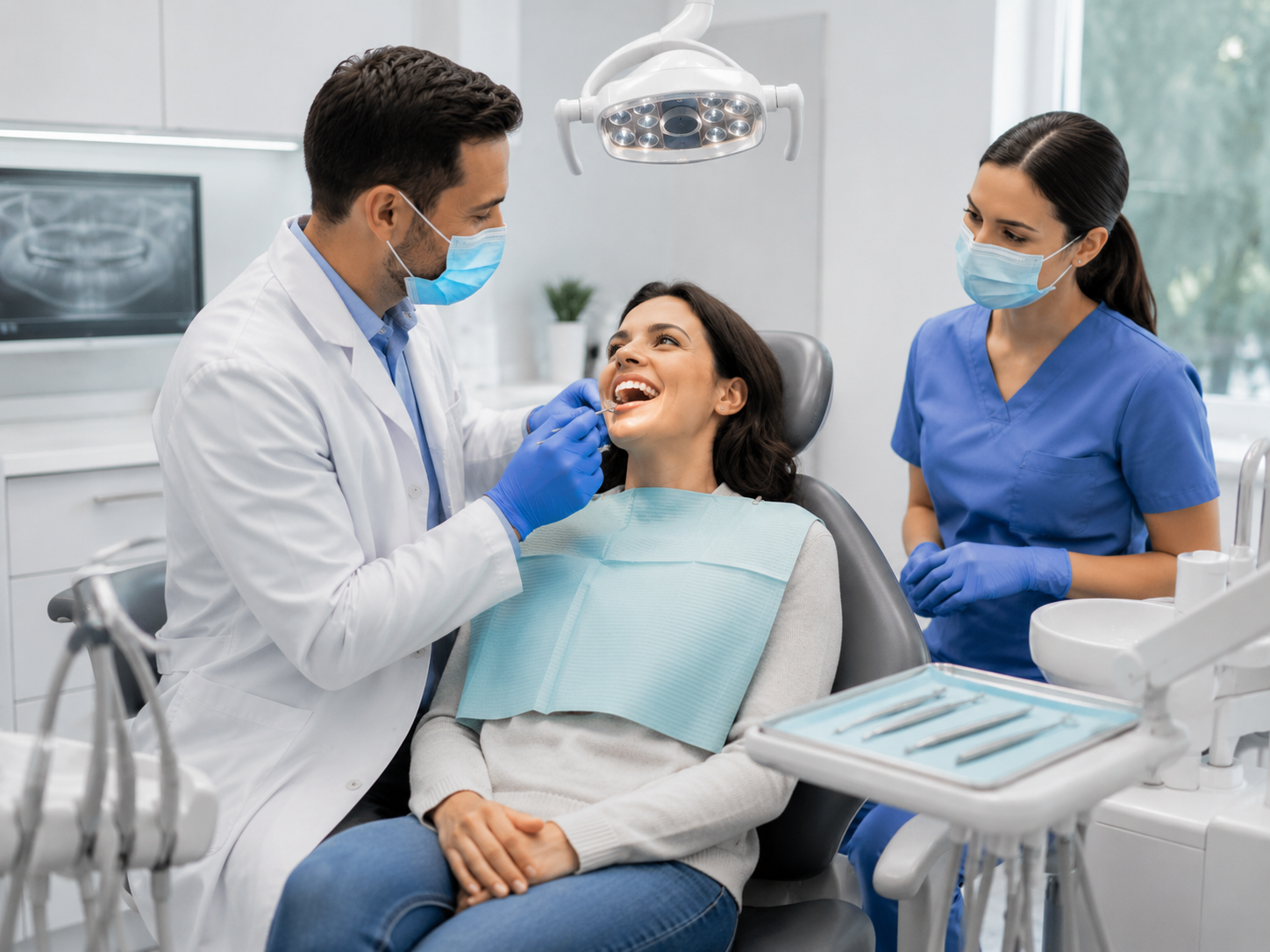
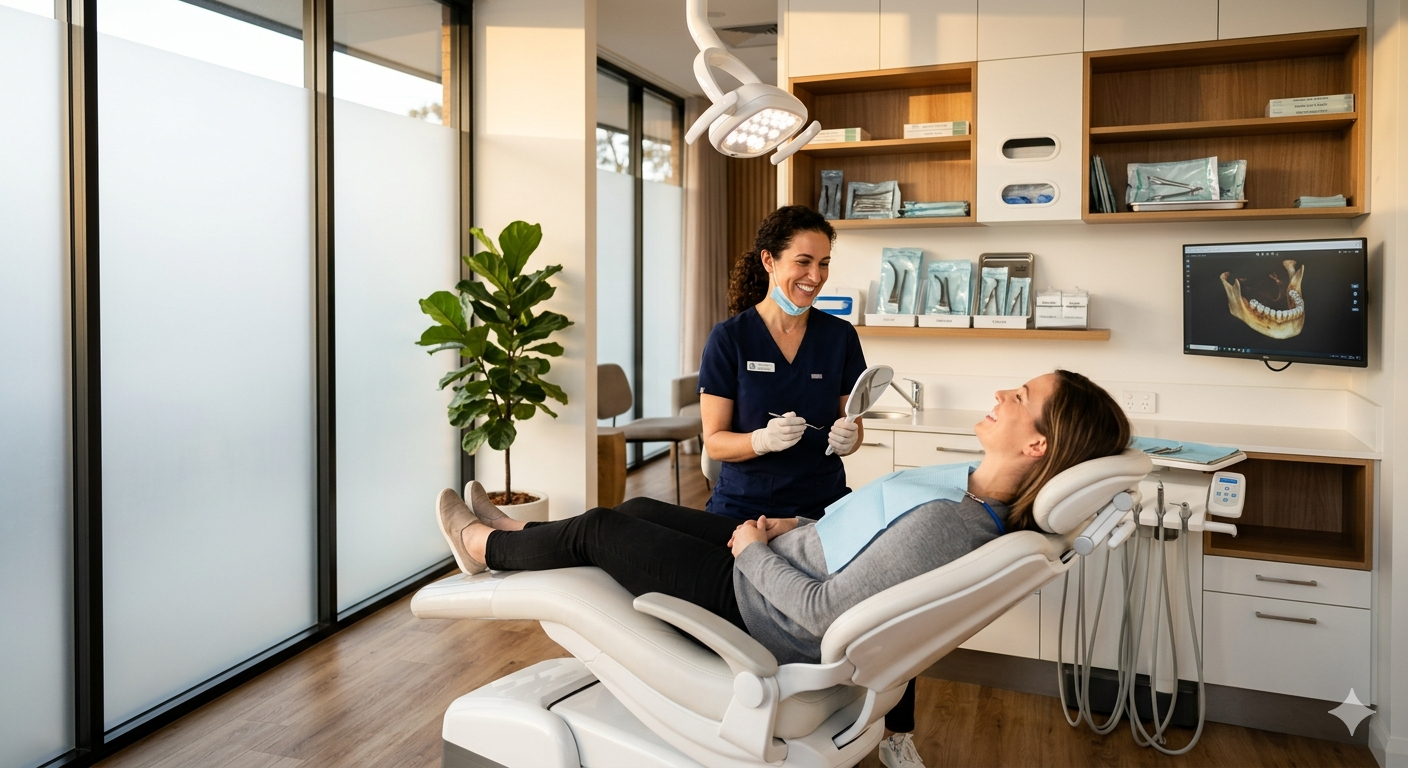
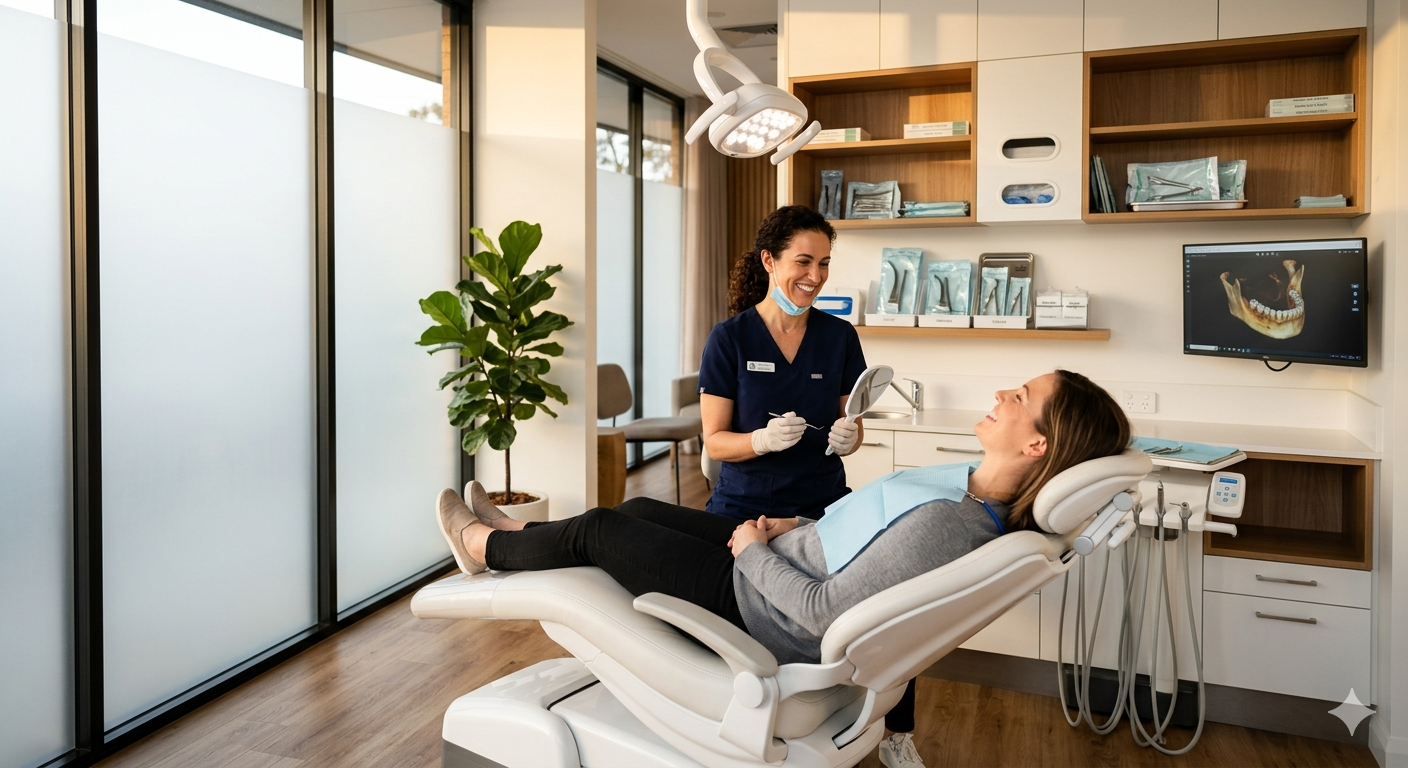
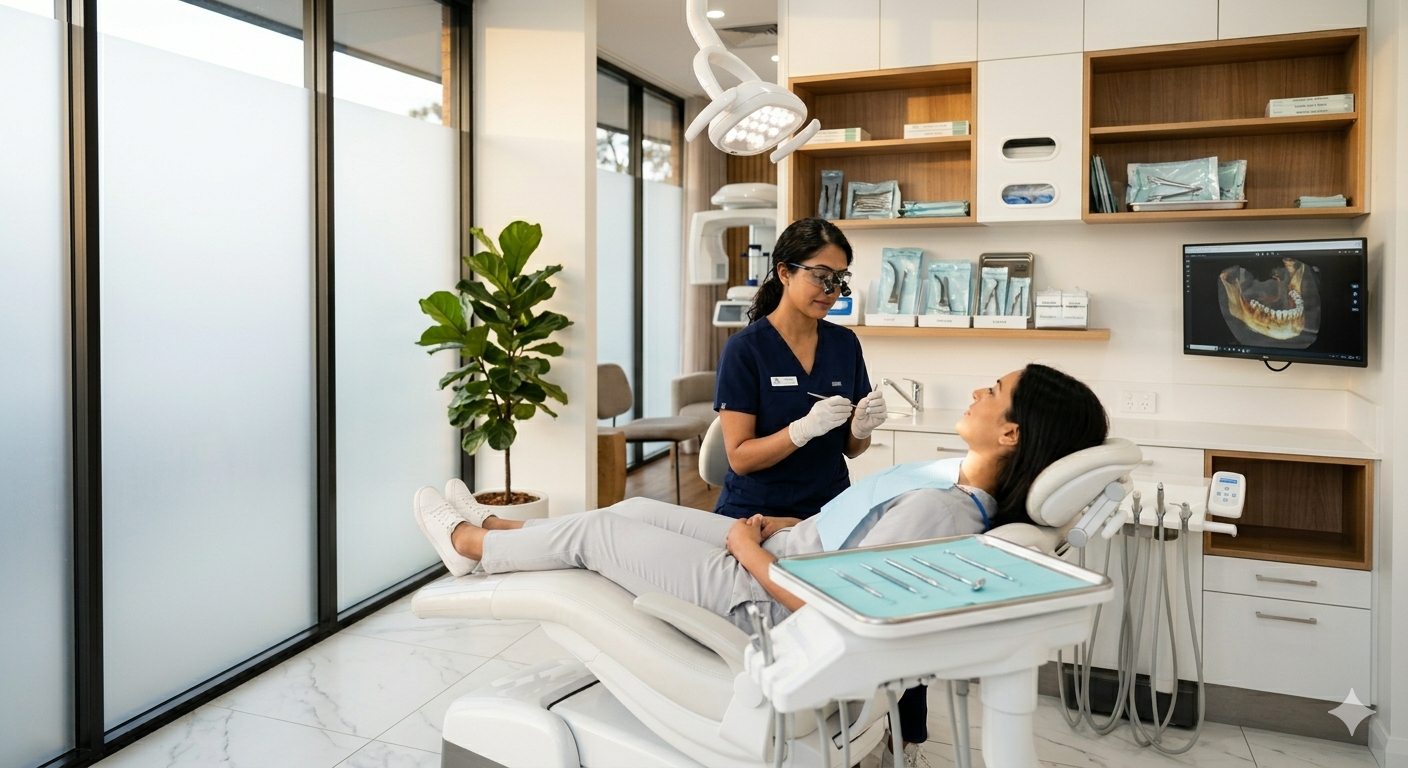
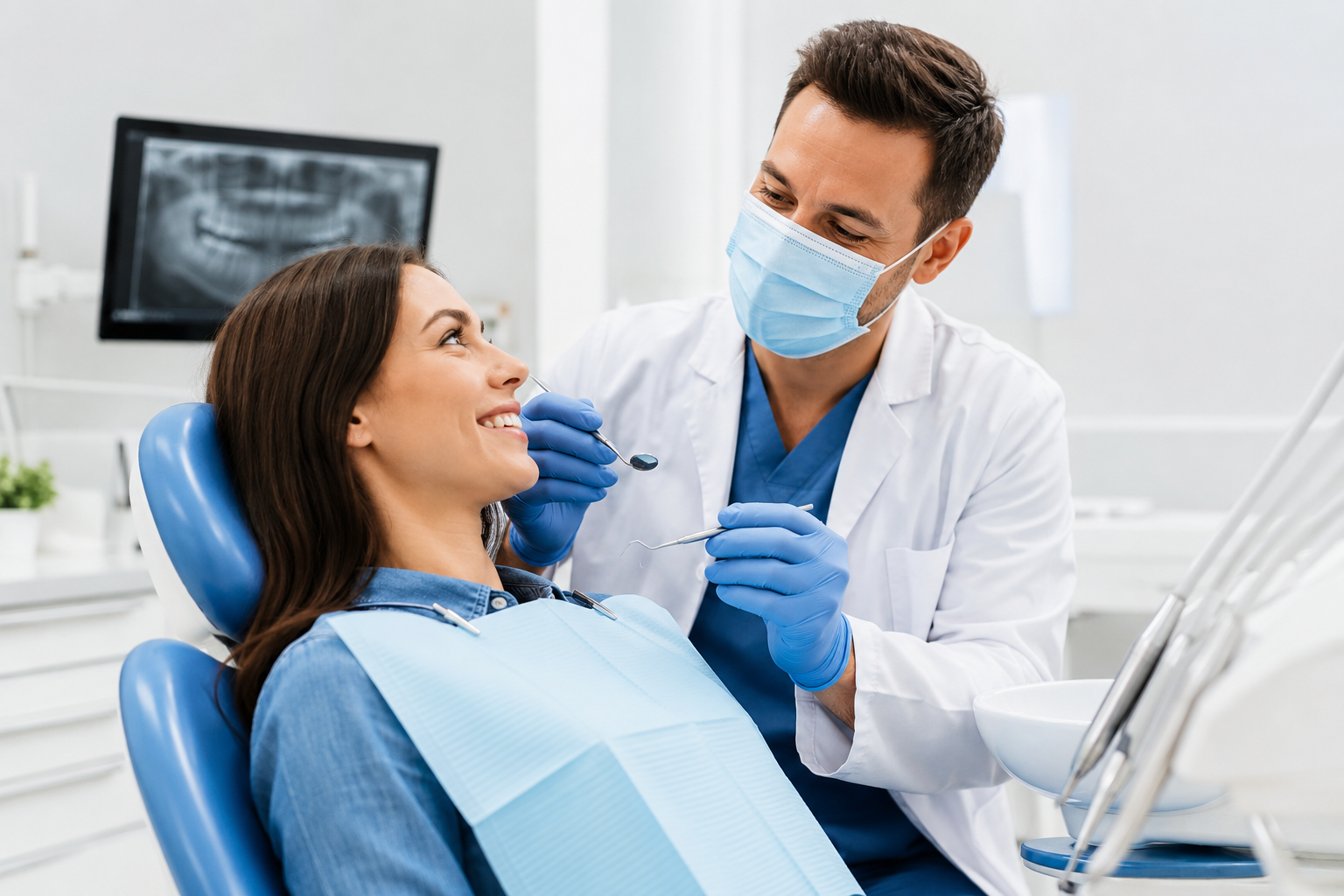
Blog image

Regular preventive visits reduce small problems before they become costly, uncomfortable treatments. They focus on detection, daily habit support, and gum and cavity prevention so patients keep healthy teeth longer.

Spotting Problems Early for Easier Treatment

During routine exams, dentists use visual checks, digital X-rays, and intraoral cameras to find tiny cracks, beginning decay, and early gum issues that patients often miss. Catching a small cavity allows for a simple filling rather than a root canal or crown later.

Dentists also screen for occlusion problems, bruxism wear patterns, and early signs of oral cancer. Addressing bite issues or nightguard needs early prevents enamel loss and jaw pain.

When decay or gum inflammation appears, offices can offer conservative treatments like fluoride varnish, sealants, or non-surgical periodontal therapy. These options cost less, require less recovery time, and preserve more natural tooth structure.

Building Habits That Keep Teeth Healthy

Preventive visits include personalized coaching on brushing technique, flossing methods, and the right products for a patient’s teeth and gums. Hygienists demonstrate effective two-minute brushing, interdental cleaning, and how to manage sensitivity or dry mouth.

Clinics provide tailored recommendations: high-fluoride toothpaste for recurrent decay, alcohol-free rinses for dry mouth, or electric toothbrushes for limited dexterity. They also review diet factors—reducing frequent acidic or sugary snacks that erode enamel.

Follow-up schedules and motivational check-ins help patients stay accountable. Small, specific habit changes between visits translate into fewer repairs and more stable oral health over years.

Preventing Gum Disease and Cavities

Professional cleanings remove plaque and tartar from below the gumline where home care can’t reach, lowering bacteria levels that cause gingivitis and periodontitis. Regular scaling and polishing reduce bleeding, pocket depth, and the risk of bone loss.

Dentists apply preventive treatments—fluoride applications, pit-and-fissure sealants, and antimicrobial rinses—based on a patient’s risk profile. For patients with early gum disease, non-surgical therapy and targeted home care often halt progression.

Risk assessment includes medical history review for diabetes or smoking, which increase gum-disease risk. With combined in-office care and clear home instructions, many patients avoid advanced periodontal procedures and preserve natural teeth.

  • For questions or to schedule an exam, patients are encouraged to contact their dental office.

The Advantages of Local Care in San Diego

Local dental care in San Diego connects patients with teams who understand the region’s needs, schedules, and community resources. Access to nearby clinics, same-day appointments, and neighborhood referrals makes staying on top of oral health much easier.

Community-Oriented Dental Teams

San Diego dentists often build long-term relationships with patients and families across neighborhood clinics. These teams usually know local health trends—like higher rates of sun-related oral lesions in beach communities—and can spot region-specific risks earlier.

Many practices partner with schools, senior centers, and community health programs to provide screenings, fluoride varnish events, and educational talks. That outreach reduces barriers for children and older adults who might otherwise miss routine care.

Patients benefit from consistent care continuity: the same hygienist or dentist tracks changes over years, which improves early detection of cavities, gum disease, and oral cancer. Familiar staff also create a calmer experience for anxious patients.

Personalized Recommendations for Your Needs

Local dentists tailor advice to the patient’s lifestyle and environment instead of offering one-size-fits-all guidance. For example, clinicians may recommend night guards for surfers and bikers who report tooth clenching after long days outdoors.

They also adapt preventive plans to fit schedules—offering early morning, lunchtime, or late-afternoon slots for working parents. Treatment plans consider insurance networks common in San Diego and suggest in-network alternatives when possible to reduce out-of-pocket costs.

Personalized care includes culturally sensitive communication and language options common in the area, which helps ensure patients understand home-care instructions, medication directions, and follow-up steps.

Convenience and Accessibility

San Diego’s neighborhood clinics reduce travel time and missed appointments by being close to homes, schools, and workplaces. Many offices offer online booking, text reminders, and digital forms to streamline visits and minimize time in the waiting room.

Accessibility features—like wheelchair ramps, ADA-compliant operatories, and evening hours—address practical barriers for older adults and people with mobility needs. Clinics near major transit lines and freeway exits make appointments feasible for patients across the county.

Same-day or next-day openings for urgent issues, plus local lab and imaging partners, speed up diagnosis and treatment. That timeliness prevents minor problems from becoming more complex and costly.

Modern Comfort and Technology at the Dentist

Modern dental offices in San Diego focus on comfort, faster diagnostics, and gentler care. Patients benefit from precise imaging, minimally invasive cleaning, and calming office design that reduce anxiety and speed treatment decisions.

Gentle Cleaning Techniques

Dental hygienists use ultrasonic scalers that vibrate to remove heavy tartar while spraying a cooling water mist to reduce friction and heat. This method shortens appointment time and lessens scraping sensations compared with traditional hand scaling.

Many practices pair ultrasonic devices with fine-tuned hand instruments to access tight spaces around crowns and implants. Hygienists often apply topical desensitizing agents or fluoride varnish after cleaning to reduce post-procedure sensitivity and strengthen enamel.

Chairside comfort measures include warmed rinses, adjustable headrests, and noise-dampening headphones. For patients with strong gag reflexes or dental anxiety, clinicians may offer nitrous oxide or short-acting oral anxiolytics under clear consent.

Digital X-Rays and Imaging

Digital X-rays capture high-resolution images in seconds and use up to 90% less radiation than traditional film. Images appear instantly on a monitor, allowing dentists to point out cavities, bone loss, or impacted teeth while the patient watches.

Cone-beam CT (CBCT) provides three-dimensional views for implant planning, complex extractions, and jaw-joint assessments. CBCT slices help the team measure bone volume and nerve positions precisely, reducing surgical surprises and improving long-term outcomes.

Practices secure images in electronic health records for quick comparison across visits and easier referrals to specialists. Many clinics also employ intraoral cameras that show enamel chips, cracked teeth, or margins of restorations in clear close-up photos.

Soothing Office Atmospheres

Reception and operatory design now emphasize calm colors, natural light, and private treatment rooms to lower patient stress. Waiting rooms may offer filtered water, comfortable seating, and digital check-in to shorten perceived wait times.

Staff use clear, friendly communication and pre-visit forms to streamline appointments and set expectations. During treatment, clinicians provide frequent updates and empowerment cues — explaining each step, offering breaks, and confirming comfort levels.

Amenities such as blankets, noise-cancelling headphones, and aromatherapy options are common in modern practices. Clinics often list these comforts on their websites so patients can choose a practice that matches their comfort needs and treatment preferences.

What to Expect During Your Dental Checkup

Patients will experience a professional cleaning, a detailed oral exam including X-rays when needed, and a discussion that outlines a personalized care plan with clear next steps. The visit focuses on plaque and tartar removal, early detection of issues, and actionable recommendations for home care and follow-up.

Professional Cleaning Experience

A dental hygienist begins by reviewing the patient’s medical history and any current medications to avoid complications with treatment. They then remove plaque and tartar using scaling instruments and an ultrasonic scaler; this reduces gum inflammation and lowers the risk of periodontal disease.

Polishing follows with a mildly abrasive paste to remove surface stains and smooth enamel for easier plaque control. For patients with sensitive teeth, the hygienist offers desensitizing paste or adjusts polishing pressure to increase comfort.

If needed, the team applies topical fluoride or recommends an at-home fluoride regimen to strengthen enamel. The hygienist will demonstrate proper brushing and interdental cleaning techniques, using models or a mirror, and provide specific product suggestions based on the patient’s dental history.

Thorough Oral Assessments

The dentist performs a systematic head-and-neck exam, checking lymph nodes, bite alignment, and jaw joint function to spot signs beyond the teeth. Intraoral inspection looks for decay, worn restorations, soft-tissue lesions, and early signs of oral cancer; each finding is explained in plain language.

Digital X-rays are taken selectively to reveal hidden decay, bone loss, and root issues. They use low radiation and immediate imaging so the dentist can point out concerns on-screen and compare with prior images to track changes over time.

Periodontal probing measures pocket depths around each tooth to evaluate gum health and determine if deep cleaning or periodontal therapy is required. The dentist documents measurements and discusses what those numbers mean for long-term oral stability.

Discussing Customized Care Plans

After assessment, the dentist outlines a tailored plan addressing immediate needs, preventive measures, and any restorative or cosmetic options. They present treatment priorities, estimated timelines, and clear cost estimates, so patients can make informed decisions without surprises.

The plan includes specific home-care instructions—such as twice-daily brushing with a soft-bristled brush, flossing techniques, and recommended toothpaste or mouthwash. If orthodontics, implants, or periodontal therapy are indicated, the dentist explains how each option affects oral health and comfort.

Finally, the staff schedules follow-up visits and explains insurance coverage, financing, and any pre-appointment preparations. They invite questions and confirm the patient feels comfortable with the next steps before leaving the office.

Benefits Beyond Your Teeth

Regular dental visits protect more than enamel and gums. They catch systemic health issues early and help patients feel confident in daily life, from job interviews to social events.

Early Detection of Other Health Issues

Dentists in San Diego routinely screen for signs of systemic disease during cleanings and exams. They check oral tissues for ulcers, discoloration, or lesions that can indicate diabetes, vitamin deficiencies, or oral cancer. A simple oral exam and routine X-rays can reveal bone loss or abnormal tissue that prompts timely medical referral.

Periodontal inflammation links to heart disease and poorly controlled blood sugar. When a hygienist documents rapid gum attachment loss or heavy plaque buildup, the dentist may recommend a medical evaluation and tighter glucose monitoring. Early detection shortens diagnostic timelines and supports coordinated care between dental and medical providers.

Dentists also spot medication side effects and nutritional problems. Dry mouth, for example, often signals prescription effects that raise cavity risk. Identifying these issues lets the dental team suggest saliva substitutes, fluoride treatments, or communication with the patient’s physician to adjust medications if appropriate.

Boosting Self-Confidence with a Healthy Smile

A healthy smile influences social and professional impressions. Patients who receive routine preventive care experience fewer visible stains, chips, and gaps, which often increases willingness to smile and speak in public. Cosmetic improvements—whitening, bonding, or conservative veneers—are easier and longer-lasting when underlying health is maintained.

Routine visits reduce bad breath causes like deep decay or periodontal pockets. Treating those sources restores comfort in close conversations and meetings. Dentists also provide tailored hygiene advice and home-care plans that preserve cosmetic results and minimize future treatments.

For many patients, predictable maintenance removes anxiety about emergency dental visits. Knowing a trusted dental team monitors oral health regularly empowers patients to pursue cosmetic or restorative options with confidence, improving overall quality of life and social functioning.

Overcoming Common Dental Fears

Many patients avoid dental care because of anxiety, past bad experiences, or fear of pain. Practical communication and proven anxiety-reduction options can make visits manageable and even comfortable.

Open Communication with Your Dentist

Patients should describe specific fears at scheduling and on arrival, such as fear of needles, gag reflex sensitivity, or noise from the drill. Dentists can then allocate extra time, plan shorter visits, or use techniques that reduce discomfort.

During the exam, using a simple stop signal—like raising a hand—gives control back to the patient and lowers stress. Clinicians who explain each step in plain language and show instruments before use reduce uncertainty and surprise.

Requesting a pre-visit phone call or reading the clinic’s treatment flow helps set expectations. Patients should also share medical history and medications; this enables safer sedation choices and avoids interactions that could raise anxiety or risk.

Options to Ease Anxiety

Clinics commonly offer multiple methods to reduce fear: topical numbing gels, local anesthesia, nitrous oxide (laughing gas), oral sedatives prescribed before the appointment, and IV sedation for deeper control. Each has different onset times, effects, and recovery needs.

Behavioral strategies also work well: progressive muscle relaxation, guided breathing, and listening to music or podcasts during treatment. Some offices provide noise-cancelling headphones and blankets to increase comfort.

Ask the office for a tailored plan that combines approaches. For example, topical gel plus nitrous oxide suits needle-averse patients, while oral sedatives help those needing several procedures in one visit. Clear instructions about fasting, transportation, and aftercare make sedation safer and reduce post-appointment worry.

Planning for Long-Term Oral Wellness

They should schedule regular dental exams spaced according to personal risk — typically every six months but sometimes more often for gum disease or implant care. Consistent visits catch small problems early and reduce the need for complex treatments later.

A personalized prevention plan helps maintain oral health between appointments. This plan may include tailored home-care tips, fluoride treatments, and adjustments to diet or medication that affect oral tissues.

They should consider long-term investments like dental sealants, night guards, or orthodontic options when appropriate. These interventions protect teeth, reduce wear, and improve chewing and speech over years, not just months.

Tracking oral health over time clarifies trends that a single visit cannot. Digital records and photos create an objective baseline so providers can spot slow changes and recommend timely interventions.

Patients benefit from choosing a dental team that emphasizes comfort and clear communication. A practice that explains options, offers sedation choices, and coordinates with specialists improves outcomes and reduces anxiety.

Practical checklist:

  • Book routine exams every 3–12 months as advised.
  • Follow a tailored home-care routine: brushing, flossing, and interdental cleaning.
  • Discuss preventive products and lifestyle changes at each visit.

They should contact their dentist with questions or to schedule a consultation about long-term care options.

Taking the Next Step Toward a Brighter Smile

They can schedule a checkup today to catch small issues before they become costly problems. Regular visits make treatments simpler, less invasive, and more predictable.

A friendly dental team in San Diego can tailor care to each person’s needs and comfort level. They often offer same-day appointments, sedation options, and clear explanations so patients feel informed and relaxed.

Consider practical first steps: confirm dental insurance benefits, gather a list of current medications, and note any tooth or gum changes. Bringing a brief history helps the dentist prioritize care and create a personalized plan.

Below are quick items to prepare before a visit:

  • Insurance card and ID
  • Medication list
  • Notes on symptoms or concerns
  • Recent X-rays if available

They may receive preventive services like cleanings, fluoride, and oral cancer screening during the visit. If restorative work is needed, the dentist will review options with expected timelines, costs, and comfort measures.

Patients should ask about cosmetic and restorative technologies commonly used in San Diego practices, such as digital imaging and tooth-colored restorations. These choices often improve outcomes and reduce chair time.

Encourage scheduling a consultation or calling the clinic with questions about fees, financing, or care options. A brief call can clarify next steps and make the path to a healthier, brighter smile straightforward and stress-free.

Frequently Asked Questions

Regular dental checkups protect oral health, catch problems early, and keep preventive care on track. They clarify frequency, procedures, radiation safety, and simple daily rules patients can use to reduce risk.

How often should I schedule a dental checkup and cleaning if my teeth feel fine?

Most adults should schedule checkups and cleanings every six months. Patients with gum disease, a history of cavities, or certain medical conditions may need visits every three to four months.

What can a routine dental exam catch early that I might not notice at home?

Exams can detect early tooth decay between teeth, minor gum disease, and tiny cracks in teeth before they cause pain. Dentists also screen for oral cancer, bite problems, and changes in restorations such as crowns or fillings.

Why are professional dental cleanings important even if I brush and floss every day?

Professional cleanings remove hardened plaque (calculus) that home care cannot reach. They also polish stains and reduce bacteria that contribute to gum inflammation and bad breath.

What happens during a regular dental checkup, and will it be comfortable?

A checkup generally includes a health history review, oral exam, cleaning, and any needed X-rays. Most patients find the visit tolerable; dentists use numbing, gentle techniques, and explain each step to maintain comfort.

How do dentists use X-rays safely, and how often do I really need them?

Dentists use digital X-rays with low radiation doses and lead aprons when needed. Frequency depends on risk: new patients or those with problems might need X-rays annually, while low-risk patients may need them every two to three years.

What’s the “3-3-3 rule” in dentistry, and how can it help me prevent problems?

The 3-3-3 rule recommends brushing three times a day, flossing three times a week (or daily if plaque accumulates), and visiting the dentist every three to six months based on risk. It gives a simple schedule to reduce plaque buildup, catch issues early, and maintain healthy gums and teeth.
1782228898603 Ca87f20e ChatGPT Image Jun 23 2026 09 33 02 AM

Affordable Teeth Whitening San Diego CA — Gentle, Expert Options for a Brighter Smile

You want a brighter smile without overspending, and San Diego offers several affordable teeth-whitening paths that balance cost, comfort, and safety. You can find effective, budget-friendly whitening options nearby — from supervised take-home kits to in-office treatments with transparent pricing — that deliver real results when matched to your needs.

This post breaks down what stains most commonly cause discoloration, how whitening treatments work, and the safest, most cost-effective choices in San Diego so you can pick the right option with confidence. Expect clear comparisons, practical tips for maintaining results, and signs that mean it’s time to see a dental professional.

What Causes Tooth Discoloration?

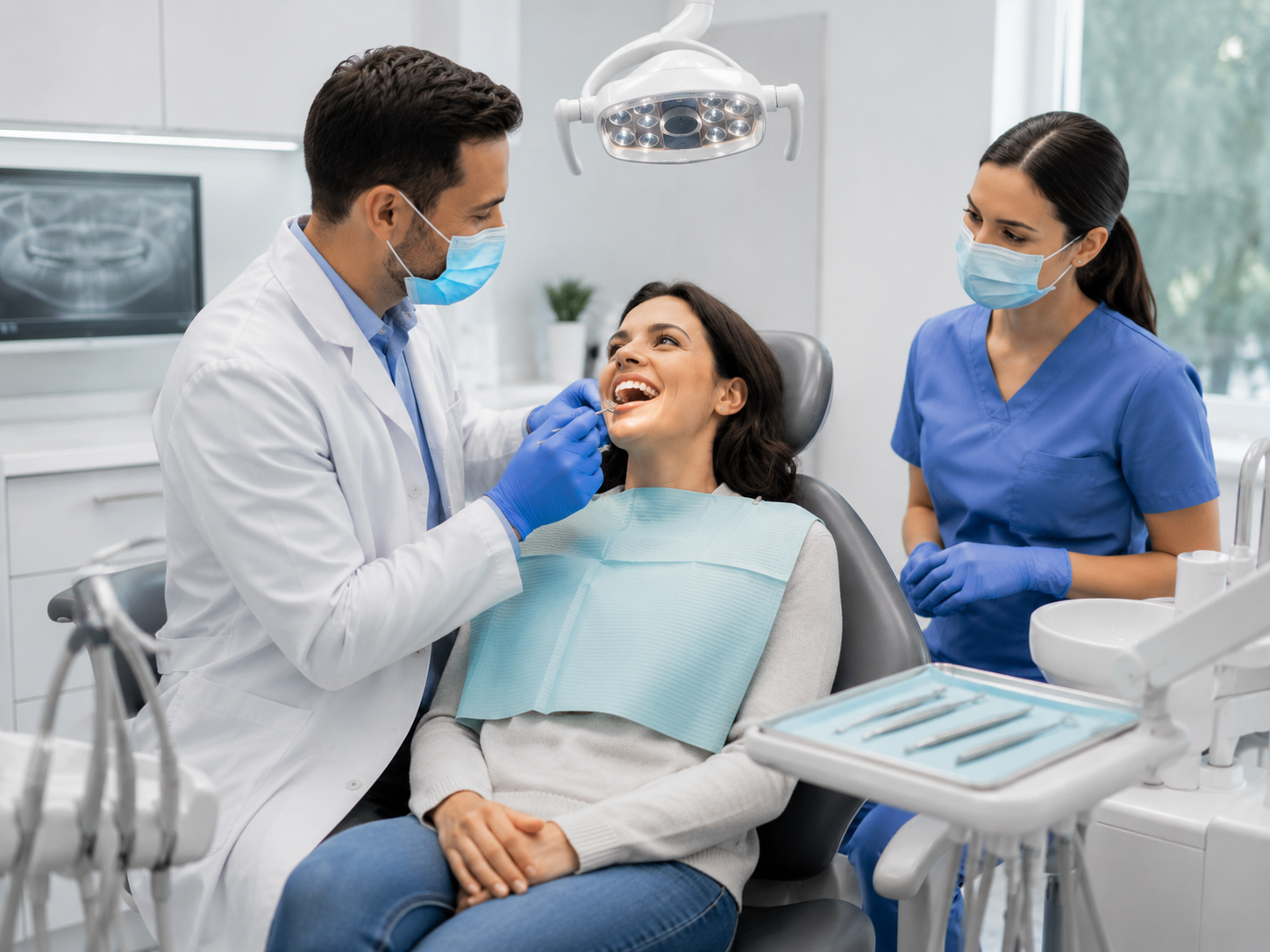
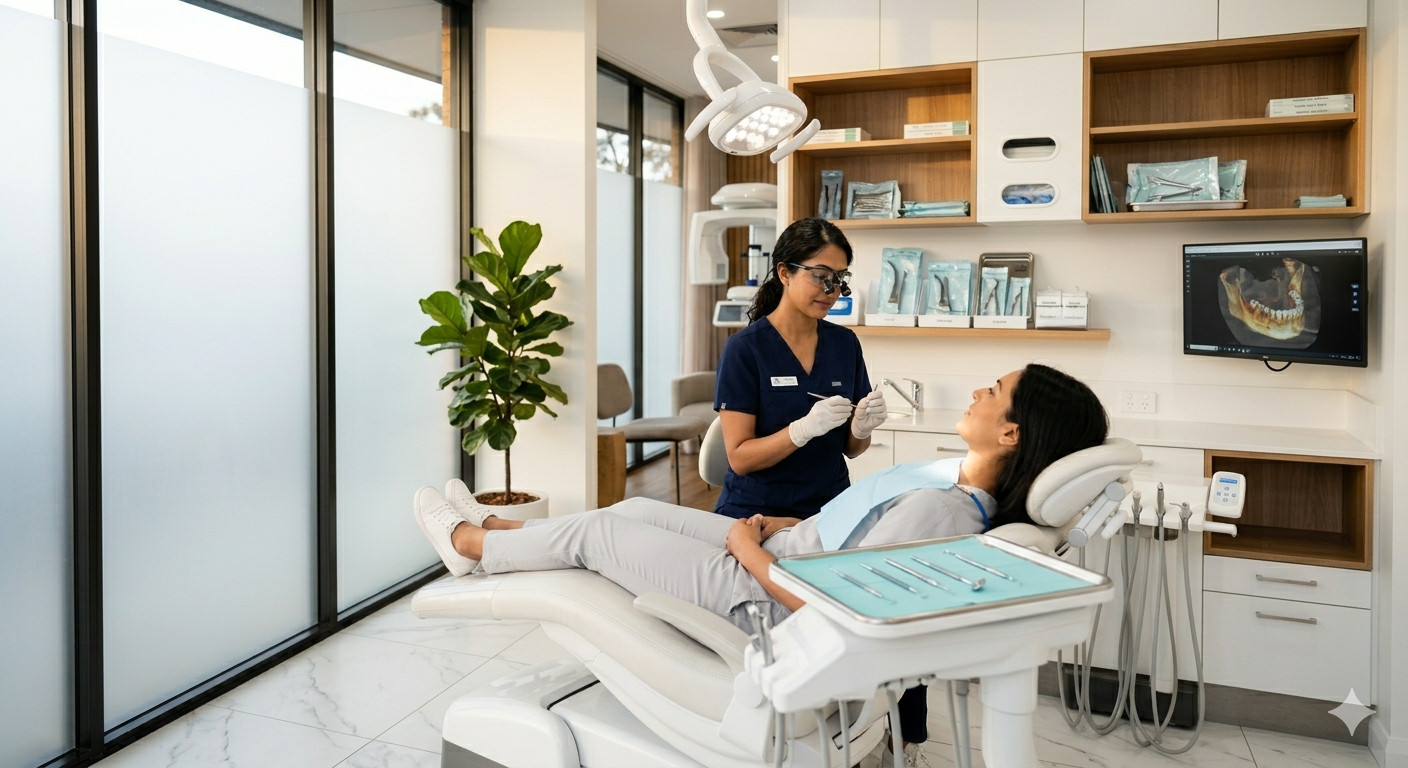
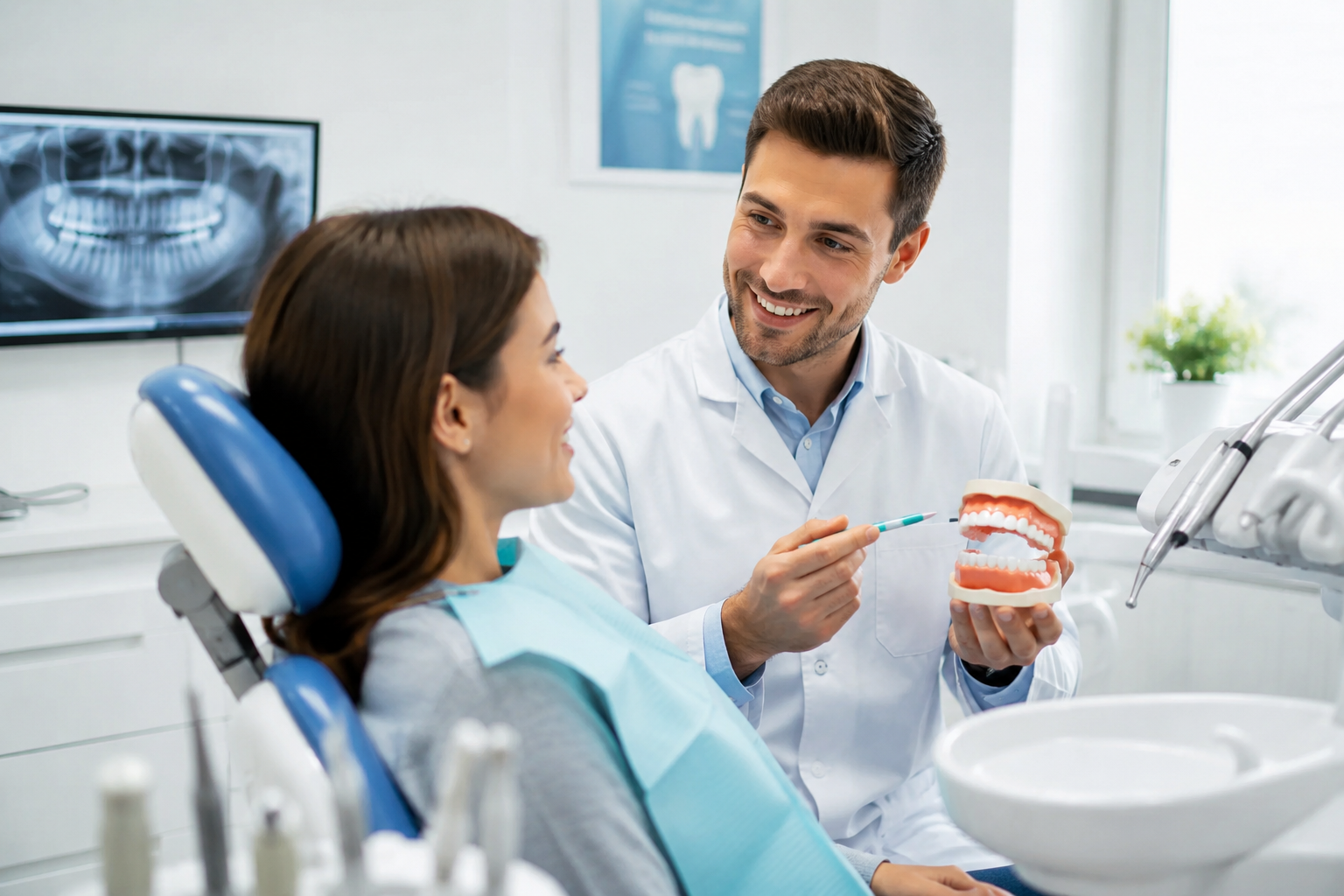
Blog image

Tooth color changes come from surface stains, deeper intrinsic changes, and medical or drug-related effects. Understanding the specific causes helps pick the right whitening option and prevent future staining.

Everyday Habits That Lead to Stains

Coffee, black tea, red wine, and dark sodas deposit tannins and pigments that cling to enamel surfaces. Smoking and vaping leave tar and nicotine residues that produce yellow-brown staining over months or years.

Poor brushing technique and skipping dental cleanings let plaque and calculus build up, which traps pigments and makes stains harder to remove. Acidic foods and beverages soften enamel, making it easier for pigments to penetrate and create longer-lasting discoloration.

Using colored mouth rinses or certain sports drinks frequently also contributes. Cosmetic habits like chewing betel nut or using colored chewing tobacco cause pronounced staining that often needs professional removal.

Natural Aging and Genetics

Enamel thins with age, revealing the darker yellow dentin beneath and making teeth appear more discolored. Lifelong exposure to staining agents compounds this effect, so an older adult often shows combined wear and surface stains.

Genetics influence baseline tooth color and enamel thickness. Some people naturally have thinner, more translucent enamel or naturally darker dentin, which limits how bright whitening can make their teeth.

Enamel wear from grinding (bruxism) or acidic erosion speeds translucency and reveals dentin sooner. Restoration choices should account for age-related changes to set realistic whitening expectations.

Effects of Medications and Health Conditions

Tetracycline antibiotics taken during tooth development cause gray or brown banding that resists standard whitening. High doses of fluoride in childhood can produce white or brown mottling called fluorosis.

Certain antihypertensives, antihistamines, and antipsychotics can cause dry mouth, which increases staining risk because saliva no longer helps wash away pigments. Chemotherapy and radiation to the head and neck may darken teeth by affecting enamel formation or pulp health.

Systemic conditions like liver disease or metabolic disorders can alter tooth color indirectly. Dentists evaluate medical history and, when needed, coordinate with physicians to determine safe, effective whitening or restorative options.

How Teeth Whitening Treatments Work

Teeth whitening removes or breaks down stains inside enamel and on the surface to restore natural brightness. Treatments use specific bleaching agents, applied either by a dentist or at home, and vary in strength, duration, and sensitivity risk.

Safe Bleaching Agents Explained

Dentists most commonly use hydrogen peroxide and carbamide peroxide as bleaching agents.
Hydrogen peroxide acts faster and is typical in in-office procedures at concentrations from about 15% to 40%.
Carbamide peroxide breaks down into hydrogen peroxide and urea, so at-home trays usually contain lower concentrations (often 10–22% carbamide peroxide, equivalent to ~3–7% hydrogen peroxide).

These chemicals oxidize stain molecules inside the enamel and dentin, breaking large pigmented compounds into smaller, less-visible ones.
Professional formulations include stabilizers and desensitizing agents to reduce gum irritation and tooth sensitivity.
Regulated use by a licensed dentist minimizes soft-tissue exposure and ensures correct contact time and concentration, which improves safety and outcome predictability.

Professional vs. At-Home Whitening Methods

Professional in-office whitening uses higher-concentration hydrogen peroxide, a custom tray or isolated field, and monitored application.
Typical protocol: prophylaxis, protective barriers for gums, application of bleaching gel, and light activation in some systems; sessions usually last 45–90 minutes.

At-home options include custom trays prescribed by a dentist, over-the-counter strips, and whitening toothpaste.
Custom trays deliver lower-concentration gel evenly for 30–60 minutes daily over one to two weeks and offer better results than OTC strips.
OTC strips and toothpaste remove surface stains and provide modest lightening; they use lower peroxide levels or abrasives and pose a higher risk of uneven results if misused.
Dentist guidance helps choose the method that balances desired speed, degree of whitening, cost, and sensitivity management.

Typical Results and What to Expect

Initial improvement often appears within a few days for high-concentration in-office treatments and within one to two weeks for dentist-supervised at-home gels.
Most patients see 2–6 shades of lightening, depending on stain type, enamel thickness, and original tooth color.

Intrinsic stains (from tetracycline or trauma) may respond less predictably and sometimes require alternative treatments like veneers or bonding.
Common side effects include temporary tooth sensitivity and mild gum irritation; these usually resolve within days to weeks.
Maintenance involves avoiding staining foods and drinks, occasional touch-up trays or OTC touch-up products, and regular dental cleanings to prolong results.
Patients should consult their dentist to tailor expectations and manage sensitivity or uneven whitening.

Affordable Whitening Options in San Diego

San Diego offers several practical whitening paths that fit different budgets and schedules. Patients can choose quick in-office sessions, dentist-supervised take-home kits, or capitalize on local specials to lower costs.

In-Office Budget-Friendly Treatments

In-office treatments provide the fastest visible results and many clinics in San Diego now offer lower-cost alternatives to premium laser whitening. These typically use professional-strength hydrogen peroxide gels and LED light for one 30–60 minute session, with prices often ranging from $150 to $350 depending on the practice and included follow-up.

Clinics may offer shortened protocols—fewer cycles or lower concentrations—designed to cut cost while still producing noticeable improvement. Those with tooth sensitivity should ask about desensitizing agents applied before or after treatment; many offices include this at no extra charge.

Patients should confirm whether the quoted price covers a consultation, shade assessment, and any protective measures (lip retraction, gingival guards). Transparent pricing prevents surprises and lets patients compare true value between providers.

Take-Home Professional Kits

Take-home kits from a dentist deliver professional bleaching in custom trays and usually cost between $100 and $300 in San Diego. They contain peroxide gel at concentrations higher than over-the-counter strips but lower than in-office gels, and trays are molded to the patient’s teeth for even contact and reduced gum irritation.

Typical protocols run from 1–4 weeks with nightly or daytime wear; dentists tailor wear time to sensitivity and desired shade. Refill syringes are available for ongoing upkeep, which spreads cost over months or years.

Patients wanting predictable whitening should prioritize dentist-provided kits over drugstore products; the custom fit and supervision reduce uneven results and lower risk of soft-tissue burns.

Special Deals and Promotions

Dental practices and medical spas in San Diego frequently run time-limited promotions that cut 10–40% off regular whitening prices. Common offers include bundled discounts (whitening plus cleaning), first-time patient specials, or seasonal promotions tied to holidays and wedding seasons.

Membership plans at some clinics provide discounted procedures and free or reduced-price touch-ups for a monthly fee. Patients should read fine print for exclusions, such as new-patient-only pricing or restrictions on combined discounts.

To find the best deal, compare advertised prices, confirm what services are included, and verify provider credentials. Booking a short consultation while a promotion is active can clarify expected outcomes and any additional costs.

Understanding Treatment Safety and Comfort

This section explains how to reduce sensitivity, ensure a trained clinician applies whitening, and follow gentle aftercare. It focuses on practical steps patients can expect before, during, and after treatment.

Minimizing Tooth Sensitivity

Patients often experience brief sensitivity during or after whitening. A dentist in San Diego will assess enamel thickness and gum recession first to determine if professional whitening is appropriate.

Clinicians commonly use lower-concentration peroxide gels with desensitizing ingredients such as potassium nitrate or fluoride to reduce nerve irritation. Treatments may be staged over multiple short sessions instead of one long exposure to limit sensitivity spikes.

Pre-treatment options include topical desensitizers applied 10–15 minutes before whitening or recommending a toothpaste with 5% potassium nitrate used for two weeks prior. If sensitivity develops, clinicians suggest pausing active whitening, switching to at-home maintenance gels at lower strength, and using soft-bristled brushes to avoid mechanical irritation.

Patients with extensive restorations, active decay, or exposed dentin should discuss alternatives like professional polishing or stain-targeted prophylaxis. Clear communication about expected sensations and a contingency plan for sensitivity helps patients feel safer and more comfortable.

Qualified Professional Application

A licensed dentist or supervised hygienist should perform in-office whitening or prescribe take-home kits. Certification ensures proper diagnosis, appropriate peroxide concentration selection, and correct isolation of soft tissues.

Professional protocols include using protective barriers for gums, eye shields, and precisely measured gel volumes. Dentists also document baseline photos and shade measurements to track results and avoid overtreatment.

Supervised take-home trays are custom-fitted from dental impressions or 3D scans to prevent gel contact with gums and provide even coverage. Technicians follow manufacturer guidelines for wear time and concentration, and dentists review progress during follow-up visits.

Unregulated walk-in booths or over-the-counter strips can cause uneven whitening and gum burns. For predictable, safe outcomes, patients should verify credentials, ask about the peroxide percentage, and confirm a follow-up exam is included.

Aftercare Tips for Gentle Recovery

Immediately after whitening, avoid staining foods and drinks for 48–72 hours: coffee, red wine, dark berries, soy sauce, and tomato-based sauces. Using a straw for permitted beverages reduces contact with front teeth.

Pain management relies on desensitizing toothpaste twice daily and an over-the-counter analgesic if needed. Cold compresses applied externally for 10 minutes can ease brief soft-tissue discomfort from gum irritation.

Maintain excellent oral hygiene with soft brushes and gentle flossing; avoid abrasive whitening toothpastes for two weeks. If the dentist provided a fluoride gel or varnish, use it as directed to help remineralize enamel.

Report prolonged sensitivity, uneven shade, or gum soreness that lasts beyond 7–10 days. The dentist can adjust the regimen, apply professional fluoride, or recommend restorative options if intrinsic discoloration or compromised enamel limits whitening results.

Top Factors When Choosing a Whitening Provider

Choose a provider who combines clinical skill, patient comfort, and honest pricing. Each factor below affects results, safety, and how easy the treatment fits into daily life.

Experience and Training

Look for a provider with formal training in cosmetic dentistry or a dental specialist who performs whitening regularly. Dentists who list continuing education courses in bleaching techniques, laser-assisted whitening, or esthetic dentistry signal up-to-date skills.
Ask how many whitening procedures they perform monthly and whether they handle complex cases like restorations, tetracycline stains, or sensitivity-prone patients. High case volume correlates with predictable outcomes; a clinician who does only a few treatments a year may lack that practice.

Check credentials and before/after photos of actual patients from the practice. Request specifics about the product brands and concentrations used (e.g., 15–35% hydrogen peroxide for in-office systems) and whether they customize protocols by tooth shade, oral health, or existing dental work. Confirm who applies the gel — the dentist or an assistant — and whether shade tracking is documented.

Comfort-Oriented Patient Care

Prioritize clinics that screen for sensitivity risk and tailor the approach accordingly. A responsible provider performs an exam to detect cavities, gum recession, or cracked teeth before whitening, because untreated issues increase pain and reduce effectiveness.
Look for clinics offering desensitizing agents, buffered gels, or phased treatments (shorter sessions spaced over days). These options lower the chance of post-treatment sensitivity while still lightening teeth.

Observe whether the office uses soft-tissue protection, personalized trays, or LED systems that include cooling features. Staff who explain sensations during treatment and provide post-care instructions (avoid acidic foods, use desensitizing toothpaste) improve comfort and satisfaction. Patient reviews that mention minimal sensitivity or staff attentiveness are useful decision points.

Transparent Pricing and Payment Plans

Request a detailed cost breakdown before scheduling: consultation, shade-matching, per-session charges, take-home trays, and any required follow-ups. Some offices advertise “$99 whitening” but exclude the exam or trays; get the full package price in writing.
Compare pricing for in-office single-visit whitening versus professional take-home kits. Typical in-office ranges vary widely; ask what percentage of improvement (number of shades) the practice expects and whether touch-up syringes or maintenance kits are included.

Ask about financing or payment plans if cost is a concern — many practices offer interest-free options or membership plans that lower per-treatment cost. Confirm their refund or retreatment policy if results fall short of expectations. Clear written estimates and a transparent cancellation/rescheduling policy help avoid unexpected charges.

Maximizing and Maintaining Your Brighter Smile

Small, consistent choices keep whitening results longer: protect enamel, reduce new stains, and follow a simple maintenance plan. Practical daily habits, a solid oral care routine, and avoiding specific foods and drinks make the biggest difference.

Daily Habits to Preserve Results

They should rinse or swish with water right after consuming staining items like coffee, tea, or red wine to reduce surface pigments. Using a straw for dark beverages cuts contact with front teeth and limits new discoloration.
Smoking and vaping accelerate staining; quitting shows visible improvement in weeks and benefits overall oral health.

They can schedule touch-up whitening every 6–12 months depending on the original treatment and lifestyle. Over-the-counter whitening pens or dentist-recommended at-home trays work for minor maintenance, but professional consultation avoids overuse and sensitivity.
Wearing a night guard if grinding occurs prevents enamel wear that makes teeth appear duller.

Recommended Oral Hygiene Routines

Brush twice daily for two minutes with a soft-bristled brush and a fluoride toothpaste formulated for sensitivity if bleaching caused discomfort. Use gentle, circular strokes along the gumline to remove plaque without abrading enamel.
Replace the toothbrush every 3 months or sooner if bristles splay.

Floss once daily to remove interdental stains and plaque that can dull whitening results. Add a daily alcohol-free antimicrobial mouthwash to reduce bacteria without drying tissues.
Consider a sonic or electric toothbrush for more consistent plaque control; studies show better stain removal versus manual brushing for many patients.

Foods and Drinks to Limit

Limit coffee, black tea, red wine, cola, soy sauce, and berry sauces that contain strong chromogens which adhere to enamel. When consuming these, pair with water and rinse immediately to reduce staining time.
Tomato-based sauces, curry, and balsamic vinegar can also cause gradual discoloration; moderate portions and prompt rinsing help.

Choose low-staining alternatives when possible: white wine or clear sodas occasionally, and herbal or green teas instead of black tea. For snacks, prefer dairy (cheese, plain yogurt) which can help neutralize acids and protect enamel.
If a favorite item is unavoidable, plan a touch-up whitening session sooner rather than later and discuss safe at-home products with the dental professional.

If they have questions about sensitivity, maintenance schedules, or products, encourage them to contact their dental office for personalized advice and tailored follow-up options.

When to Talk to a Dental Expert in San Diego

If stains return quickly after over-the-counter whitening, a local dentist can identify underlying causes such as enamel wear or deep intrinsic stains. They will explain why at-home products sometimes fail and recommend professional-strength options tailored to the patient’s needs.

If a person has tooth sensitivity, gum recession, or visible enamel defects, consulting a dentist before whitening is important. A dental expert can suggest desensitizing treatments or alternative approaches that protect teeth and reduce discomfort.

People with crowns, veneers, or fillings should seek professional advice because whitening won’t change restorative materials. The dentist can coordinate shade-matching or advise on replacing restorations for a uniform smile.

If someone notices uneven color, dark spots, or staining after trauma or medication use, professional evaluation is warranted. The clinician can determine whether internal staining or other dental issues require specialized treatment.

For safe, affordable choices, patients with budget concerns can ask San Diego clinics about financing, membership plans, or lower-cost in-office and supervised take-home options. A dental team will outline costs, expected results, and realistic timelines.

If a patient simply wants the best, most predictable outcome, scheduling a consultation offers peace of mind. The dentist will assess oral health, discuss expectations, and craft a comfortable, evidence-based whitening plan.

Frequently Asked Questions

This section answers common concerns about cost, methods, longevity, safety, and choosing a provider for teeth whitening in San Diego. Each question gives clear, practical details to help patients decide and prepare.

How much does professional teeth whitening typically cost in San Diego, and what factors affect the price?

Professional in-office whitening usually ranges from $350 to $800 in San Diego, depending on the clinic and the system used.
Take-home tray systems from a dentist commonly cost $200–$400, while over-the-counter kits are $20–$100.

Prices change with the whitening technology, the provider’s experience, and any included follow-up visits.
Additional costs can come from pre-treatment exams, treatments for dental issues first (like fillings), and extra custom trays or touch-up gels.

What’s the difference between in-office whitening, take-home trays, and over-the-counter kits in terms of results and comfort?

In-office whitening delivers the fastest, most noticeable change—often several shades in one visit—because professionals use stronger peroxide and controlled light or laser activation.
Patients typically experience more immediate results but may need a short recovery for sensitivity.

Dentist-prescribed take-home trays use professional-strength gel in custom-fitted trays for gradual, even whitening over one to two weeks.
They balance effectiveness and comfort, with lower sensitivity risk than in-office options.

Over-the-counter kits are least expensive but use weaker formulations and generic trays or strips, so results are slower and less predictable.
They can work for mild staining, but fit and contact with gum tissue often cause uneven whitening or irritation.

How long do whitening results usually last, and what can I do to keep my smile bright longer?

Results commonly last 6 months to 2 years, depending on habits and maintenance.
Smoking, frequent coffee, red wine, and dark foods shorten the effect; avoiding these extends whitening longevity.

Regular touch-ups with dentist-supplied gel every few months helps maintain shade.
Daily good oral hygiene, professional cleanings every 6 months, and using whitening toothpaste or gentle at-home products also prolong results.

Is teeth whitening safe for sensitive teeth, and what options help minimize sensitivity?

Whitening is generally safe but can increase sensitivity temporarily for patients with thin enamel or gum recession.
Dentists assess oral health first and recommend options that reduce risk.

Lower-concentration gels, shorter application times, desensitizing gels, and custom trays can minimize sensitivity.
For severe sensitivity, a provider may suggest postponing whitening or using restorative treatments before proceeding.

Are there any risks or side effects I should know about before whitening my teeth?

Common side effects include temporary tooth sensitivity and gum irritation; these usually resolve within days to a few weeks.
Overuse of whitening products can cause enamel damage or uneven results, especially with poor technique or ill-fitting trays.

Whitening does not change the color of crowns, veneers, or fillings, which may lead to uneven shade after treatment.
Patients with untreated cavities, active gum disease, or certain dental conditions should treat those issues before whitening.

How do I choose a trustworthy whitening provider in San Diego, and what should I look for in reviews?

Look for a licensed dentist offering whitening services, clear pricing, and a pre-treatment exam.
Reviews should mention professional behavior, pain management, and realistic results rather than only low cost.

Check that the clinic explains risks, shows before-and-after photos, and offers follow-up care or touch-up options.
Local dental society memberships, verified patient testimonials, and transparent refund or correction policies add confidence.

1782159342770 911a3b18 ChatGPT Image Jun 22 2026 02 14 38 PM 1

Cost of Dental Implants San Diego CA: Affordable Options, Timeline, and What to Expect

You’re likely wondering what dental implants in San Diego will cost and whether they’re worth the investment. Typical single-tooth implants in San Diego usually range from about $3,000 to $6,000, while full-arch solutions can run $20,000 or more, depending on materials, imaging, and surgical complexity. This post breaks down what drives those numbers, from bone grafts and lab fees to surgeon experience, so you can spot where costs add up.

They’ll explain differences between single-tooth and full-arch options, how insurance and financing can help, and what to ask when choosing a San Diego provider. Expect clear comparisons, realistic timelines, and practical next steps to help you move from price sticker shock to a confident treatment plan.

What Impacts the Price of Dental Implants in San Diego

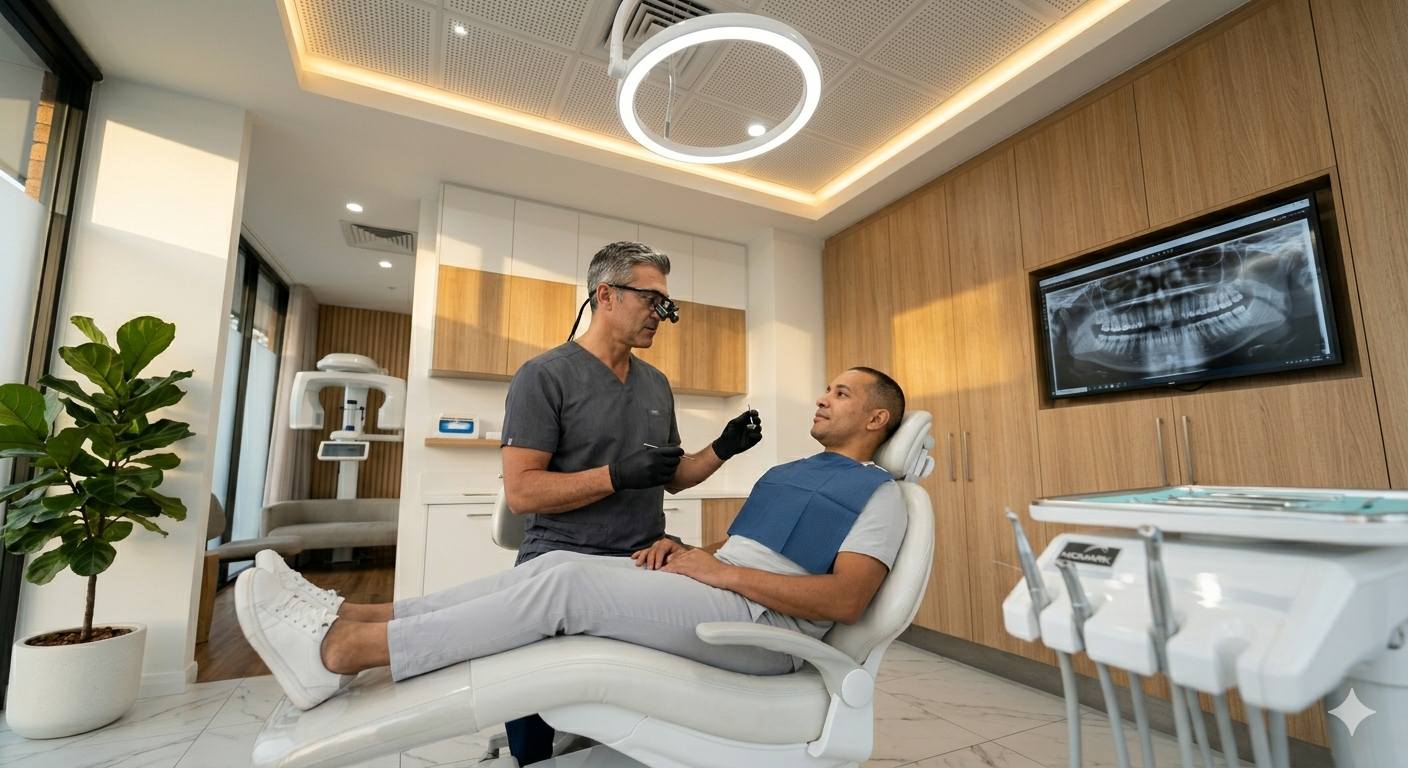
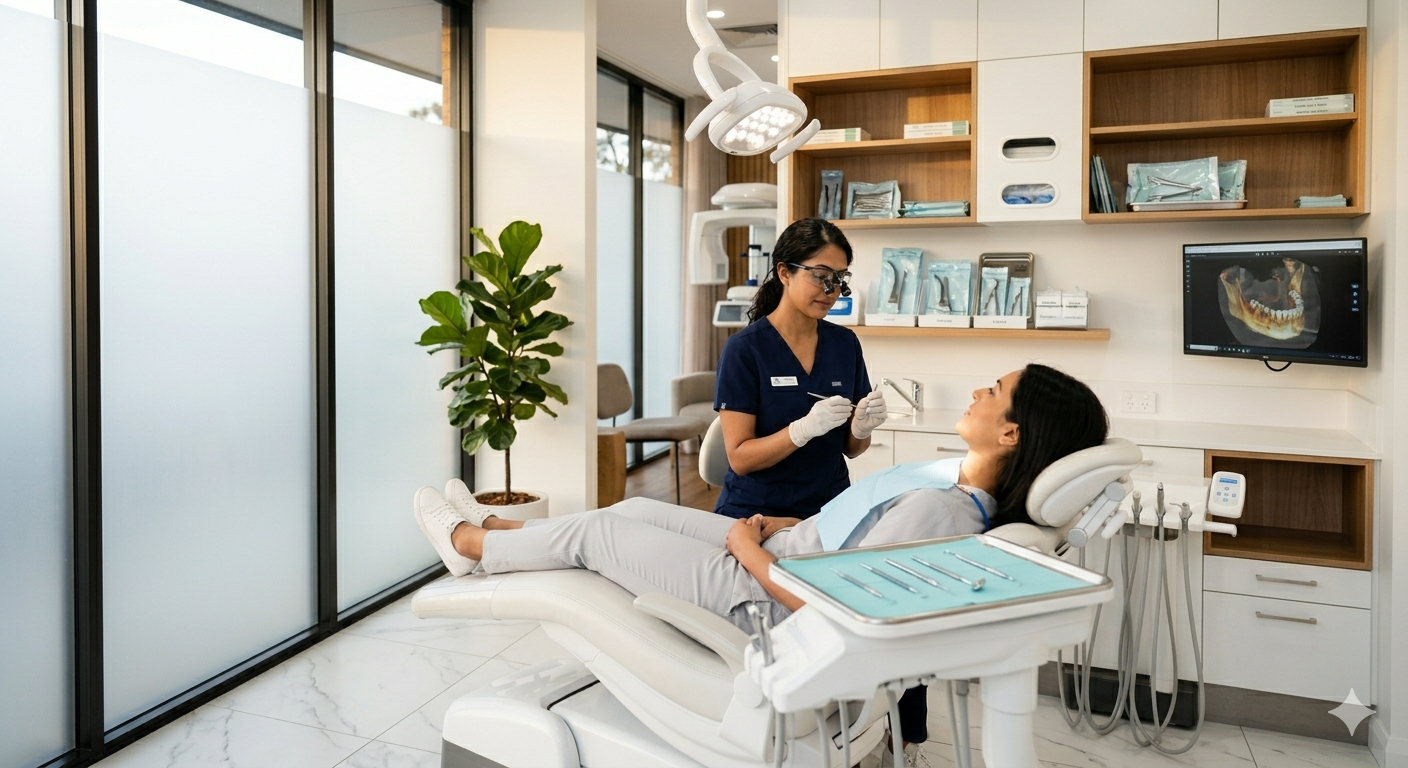
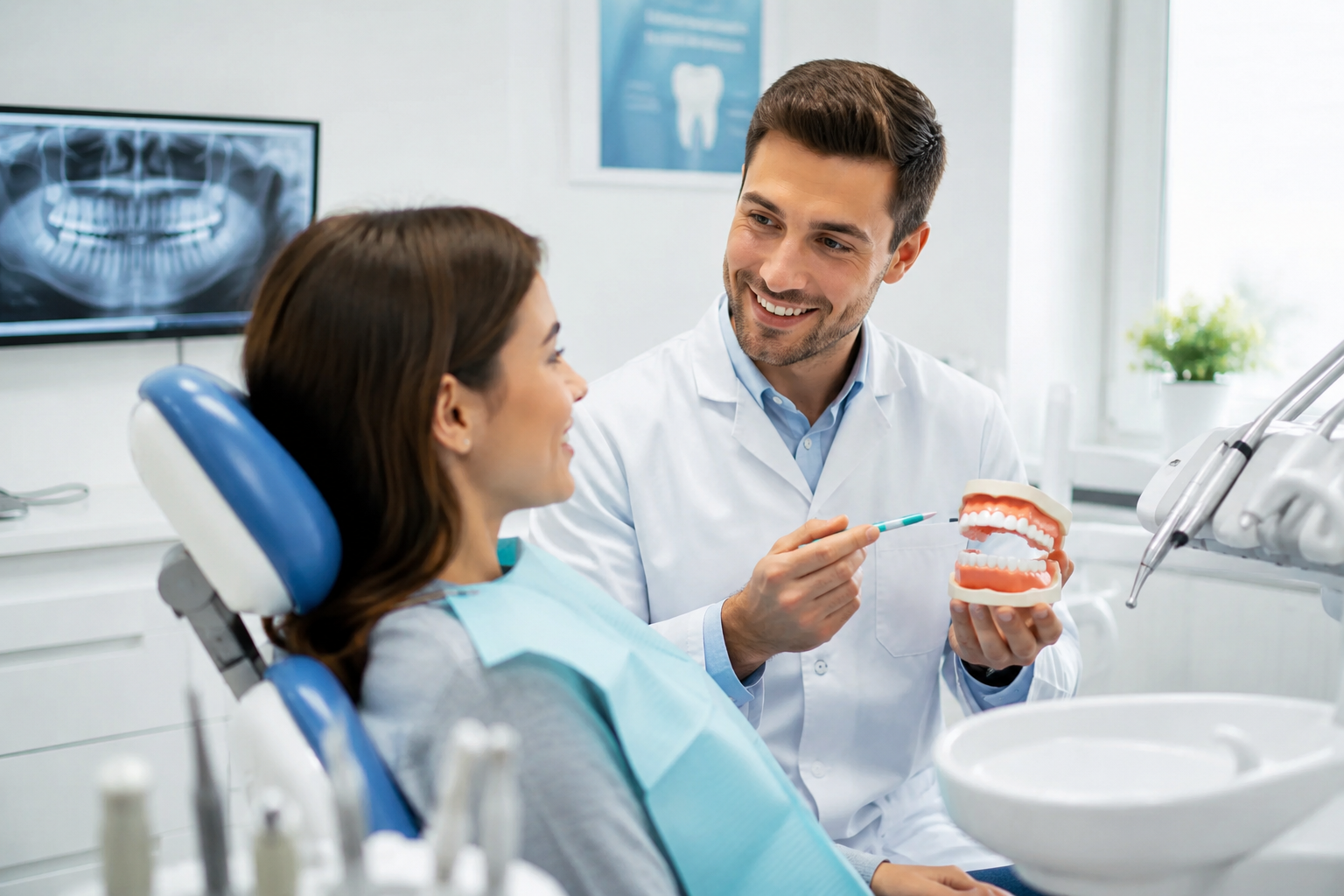
Blog image

Several practical factors drive implant costs: the complexity of the procedure, the materials chosen, and the clinician’s training and experience. Each factor affects both short-term fees and long-term outcomes, so patients should weigh upfront cost against durability and comfort.

Type of Implant Procedure

The number of implants and the surgical steps change the price significantly. A single-tooth implant (one titanium post, abutment, and crown) typically costs less than full-arch replacement with multiple implants or an All-on-4 style restoration. Additional procedures such as bone grafting, sinus lifts, or extractions add separate fees because they increase surgery time and require specialized graft materials or membranes.

Immediate-load implants (tooth placed and restored in one visit) can be more expensive due to lab work and chair time but reduce total appointments. Staged approaches spread costs over months but may require interim prosthetics. Complexity from prior infections, insufficient bone, or compromised soft tissue also raises costs because the surgeon must use extra imaging, longer surgery, or advanced grafting techniques.

Materials Used

Material selection affects both cost and longevity. Titanium implants remain the standard for strength and osseointegration; high-grade titanium alloys cost more than basic titanium but offer proven durability. Zirconia implants are pricier and promoted for aesthetics and metal-free options; they suit patients with metal sensitivities but may require specific prosthetic components that increase lab costs.

Crowns and abutments vary too: porcelain-fused-to-metal (PFM) crowns are less costly than all-ceramic crowns like e.max or zirconia, which provide superior esthetics and stain resistance. Custom milled abutments and CAD/CAM restorations add laboratory fees. Choice of implant brand and warranty also influences price—premium brands with long-term research and support usually charge higher fees.

Dentist’s Experience

Clinician skill and credentials directly affect pricing and outcomes. A board-certified oral surgeon or prosthodontist with years of implant experience typically charges more per implant than a general dentist who places implants less frequently. Higher fees often reflect advanced training, complex-case experience, and reduced complication rates.

Clinics that provide in-house digital planning, cone-beam CT imaging, guided surgery, or sedation options incorporate those costs into the overall price. Practices with strong reputations and many positive patient reviews may charge more, but they can often deliver faster, more predictable results and fewer follow-up complications. Patients should balance cost against qualifications, ask about complication rates, and request itemized estimates.

Breakdown of Common Implant Costs

This section details typical fees patients encounter: consultation charges, the surgical implant and crown costs, and extra services like bone grafts or imaging that often change the final price.

Initial Consultation Fees

Initial consultations in San Diego usually range from $50 to $250 depending on the clinic and included services. Basic exams and treatment planning at a general dentist tend toward the lower end; consultations at specialist practices or implant centers that include CBCT scans and detailed surgical planning sit at the higher end.

Patients should confirm what the fee covers: oral exam, panoramic or cone-beam CT (CBCT), medical history review, and written treatment estimate. Insurance sometimes covers part of the exam but rarely covers CBCT imaging; patients should verify benefits beforehand. Many practices apply the consultation fee toward the total implant cost if treatment proceeds, so asking about fee credit can lower up-front expense.

Surgical and Restoration Charges

Surgical placement of a single endosteal implant in San Diego typically costs between $1,800 and $3,500 for the implant body and abutment. Restorative components—custom abutment plus the final crown—add roughly $1,000 to $3,000 per tooth depending on materials (porcelain-fused-to-zirconia, all-ceramic, or metal-ceramic).

Implant systems, surgeon experience, and whether a board-certified oral surgeon or periodontist places the implant influence price. Sedation or general anesthesia adds $200–$1,000. For multi-tooth bridges or full-arch solutions, expect higher per-unit efficiencies but larger total costs—single implants for multiple teeth can be $3,000–$6,000 each in complex cases.

Additional Services and Preparatory Work

Preparatory procedures commonly affect final cost. Bone grafting to rebuild deficient ridges runs $300–$2,500 based on graft size and material (autograft, allograft, xenograft, or synthetic). Sinus lifts for upper molars add $800–$3,000. Tooth extractions range from $150 for simple pulls to $600+ for surgical removals.

Diagnostic imaging (CBCT) typically costs $150–$500 if not included in the consultation. Temporary crowns during healing are $100–$500. Periodontal therapy to control gum disease can add several hundred dollars. Patients should request an itemized estimate listing each service, the expected timeline, and insurance/financing options to plan accurately.

Comparing Single Tooth and Full Arch Options

This section explains cost differences, surgical complexity, and long-term maintenance for replacing one tooth versus replacing an entire arch. It highlights typical treatment timelines, bone grafting needs, and which option suits specific oral health situations.

Single Tooth vs. Multiple Implants

A single-tooth implant replaces one missing tooth with an implant post, abutment, and crown. Costs in San Diego typically range from $2,500 to $6,000 per tooth depending on the implant system, crown material, and whether bone grafting or sinus lift is needed.

Treatment usually takes 3–6 months from implant placement to final crown if healing is uneventful. Patients with healthy bone and good oral hygiene often avoid grafts, which reduces cost and time. When adjacent teeth are missing, multiple single implants can be placed; this increases stability but raises the total price proportionally.

Pros include preservation of adjacent teeth and superior chewing function. Cons include higher per-tooth cost compared with bridge options and a longer cumulative recovery when several implants are needed. Financing, phased treatment, and dental insurance gaps commonly affect patient decisions.

All-on-4 and Full Mouth Solutions

All-on-4 uses four strategically placed implants to support a full-arch prosthesis, often delivered as a fixed temporary the same day. In San Diego, All-on-4 full-arch treatment typically ranges from $15,000 to $35,000 per arch, depending on lab fees, prosthesis type (acrylic vs. zirconia), and any adjunctive procedures.

This approach shortens treatment time and can avoid multiple individual implants, making it cost-effective for edentulous arches. Bone grafting needs are often reduced because implants are angled to maximize available bone. Patients benefit from immediate function and easier long-term maintenance compared with removable dentures.

Drawbacks include higher upfront cost versus a single implant and the possibility of more extensive revisions if the prosthesis or implants fail. Maintenance includes periodic screw checks and prosthesis relines; full-arch zirconia restorations cost more but last longer and resist staining.

Insurance and Payment Flexibility

Patients often face questions about what insurers cover and how to afford implant treatment. Clear options and realistic cost expectations help them plan treatment without unexpected bills.

Role of Dental Insurance

Most dental insurance plans classify implants as a major restorative procedure and cover only a portion, commonly 10–50% of allowed amounts after deductibles. Annual maximums frequently range from $1,000 to $2,000, which rarely covers a full implant cost in San Diego; patients should verify lifetime or implant-specific limits.

Insurance may cover pre-implant work such as extractions, x-rays, and some bone grafts, but coverage varies by carrier and plan type. Patients should request an itemized pre-treatment estimate (predetermination) from their dentist and submit it to the insurer to learn exact patient responsibility before surgery.

Out-of-network benefits, coordination of benefits for dual coverage, and medical insurance contributions (for medically necessary cases) can change out-of-pocket amounts. The dental office can help file claims, appeal denials, and explain Explanation of Benefits (EOB) statements to reduce surprise costs.

Payment Plans and Financing Choices

Many San Diego practices offer in-house payment plans that split the implant fee into 3–12 monthly payments, sometimes interest-free for short terms. These plans often require a down payment (typically 10–30%) and a signed agreement outlining schedule and any late fees.

Third-party medical/dental lenders like CareCredit, LendingClub Patient Solutions, and Proceed Finance provide longer-term financing up to 60 months with fixed or promotional interest rates. Patients should compare APRs, total repayment amounts, and prepayment penalties before accepting a loan.

Other options include using Health Savings Accounts (HSA) or Flexible Spending Accounts (FSA) for qualified expenses, tapping low-interest personal loans, or arranging phased treatment to spread costs. The dental office can run cost scenarios and monthly-payment examples to help patients choose the most affordable plan.

Choosing the Right Provider in San Diego

Patients should look for a provider who combines proven surgical skill with modern diagnostics and a patient-first office environment. Credentials, implant case history, and on-site technology matter as much as clear price estimates and friendly staff.

Evaluating Qualifications and Experience

Check for a dentist or oral surgeon with specific implant training such as residency in oral surgery, a prosthodontist certificate, or continuing education in implantology. Verify membership in professional organizations (e.g., AAOMS, ICOI) and confirm active state licensure online.

Ask how many implant cases the clinician places per year and request before-and-after photos of similar cases. Inquire about complication rates and how they handle failures or revisions. Look for clinicians who collaborate with restoratively focused dentists when planning bite, esthetics, and long-term function.

Confirm that the provider offers a detailed written treatment plan that lists implant brand, expected timeline, all fees, and maintenance recommendations. Transparent warranties or follow-up care policies indicate professional accountability and reduce unexpected costs.

Office Technology and Comfort Features

Prioritize offices that use cone beam CT (CBCT) scans for 3D implant planning; this improves accuracy for implant size, angulation, and avoiding nerves. Digital impressions and CAD/CAM restorations speed up workflows and often improve fit compared with older analog methods.

Assess surgical environment: on-site sedation options (oral, IV) and adherence to sterile, hospital-grade protocols matter for patient safety and comfort. Look for private treatment rooms, noise-cancelling headphones, and nitrous oxide as signs the practice values patient anxiety management.

Review patient materials and communication: clear cost estimates, financing options, and written postoperative instructions reduce uncertainty. Positive online reviews that mention punctuality, helpful front-desk staff, and straightforward billing often reflect smoother overall experiences.

Long-Term Value of Dental Implants

Dental implants provide durable tooth replacement that preserves jawbone and facial structure while restoring chewing and speech. They require higher upfront cost but often reduce future expenses and complications compared with removable options.

Comparing Implants to Alternatives

Implants replace the tooth root with a titanium post anchored in bone, which prevents the bone loss that occurs after extraction. Fixed bridges restore chewing function but require grinding adjacent healthy teeth and do not stop bone resorption beneath the missing tooth.
Removable dentures cost less initially but need periodic relining, replacement, and may cause sore spots or reduced bite force over time. Implant-supported dentures combine stability with easier cleaning and better chewing efficiency than conventional dentures.

When evaluating lifetime cost, include follow-up visits, possible repairs, and the risk of additional treatments. Studies and clinical experience show that a single implant crown can last 15–25 years or longer with good care, while bridges and dentures typically need more frequent replacement or maintenance.

Maintenance and Expected Lifespan

Daily oral hygiene—brushing twice, flossing once, and using interdental brushes around the implant—reduces the risk of peri-implantitis, the main threat to implant longevity. Regular dental checkups and cleanings every 3–6 months for patients with implants help detect bone loss or inflammation early.
Factors affecting lifespan include smoking, uncontrolled diabetes, bruxism (teeth grinding), and poor bone quality at the implant site. Addressing these risks—smoking cessation, glycemic control, night guards—improves outcomes.

Typical timelines: implant fixtures often last a lifetime; implant crowns usually need replacement every 10–20 years depending on wear. Budget for occasional maintenance: professional cleanings, possible crown replacement, and monitoring X-rays.

Steps for Getting Started

The patient begins by scheduling a consultation with a San Diego dental implant specialist. During this first visit, the dentist reviews medical history, takes X‑rays or a CBCT scan, and discusses goals and budget.

A simple exam determines if bone grafting or tooth extraction is needed first. If additional procedures are required, the clinician explains timelines and costs so patients know what to expect.

Insurance and financing get addressed early to avoid surprises. Many practices offer payment plans, third‑party financing, or in‑office membership plans to spread out costs.

Patients receive a treatment plan that lists procedures, estimated fees, and a projected schedule. This plan helps compare options and secure necessary approvals from insurance or family decision‑makers.

Before surgery, the team provides pre‑op instructions for medications, fasting, and transportation. Clear instructions reduce anxiety and improve recovery outcomes.

On surgery day, local anesthesia, sedation options, and step‑by‑step explanations keep patients comfortable. Post‑op care instructions and a follow‑up schedule are provided to monitor healing and the next restorative steps.

Questions are encouraged at every stage to ensure patients feel informed and confident. They should call the office or request a consultation to discuss individualized pricing, payment options, and appointment availability.

Frequently Asked Questions

This section answers common cost and treatment questions about dental implants in San Diego, with concrete price ranges, typical inclusions, insurance tips, affordable options, and procedural add-ons that change total cost.

What factors most affect the price of a dental implant treatment plan in San Diego?

Location-specific fees, clinician experience, and clinic overhead matter. Private practices in central San Diego typically charge more than suburban clinics.

The implant brand, type (endosteal vs. zygomatic), and material (titanium vs. zirconia) change costs. Premium brands and custom components raise the price.

Diagnostic work and technology also influence cost. Cone-beam CT scans, guided-surgery templates, and lab-fabricated prosthetics increase fees.

Health-related variables affect complexity and expense. Bone quantity, gum health, and systemic conditions (like diabetes) can require additional procedures that add cost.

What’s typically included in a dental implant quote—implant, abutment, crown, and follow-up visits?

Most detailed quotes list the implant fixture, abutment, and final crown separately. Some clinics bundle them into a single “implant package” price.

Pre-treatment diagnostics (exam, X-rays, CBCT) may or may not be included. Confirm whether imaging and consultations are part of the quoted fee.

Follow-up visits for healing checks and minor adjustments are often included for a set period. Extended warranties or long-term maintenance plans can carry extra charges.

Lab work and temporary crowns may be itemized. Ask whether temporary restorations, lab fees, and sedation are covered or billed separately.

How does dental insurance usually help with implant treatment, and what should I ask my provider?

Many dental plans consider implants elective and do not cover the implant fixture. Policies often provide partial coverage for the crown or restorative portion instead.

Request a benefits breakdown: coverage amounts for implants, crowns, diagnostics, and pre-/post-op visits. Ask whether the plan has annual maximums, waiting periods, or missing-teeth clauses.

Confirm whether the insurer requires predetermination of benefits. A predetermination gives a written estimate of covered amounts before treatment begins.

Check network rules and claim submission procedures. In-network providers may accept assignment of benefits; out-of-network claims often require patient submission and later reimbursement.

Are there affordable ways to get implants, such as dental schools, community clinics, or in-house financing?

Dental schools often offer reduced fees with care delivered by students under faculty supervision. Wait times are longer, but costs can be 30–60% lower.

Community clinics and nonprofit programs sometimes provide sliding-scale fees or grant-funded care. Availability in San Diego varies by organization and funding cycles.

Many private practices offer in-house financing or third-party medical/dental loan options. Look for transparent interest rates and total-cost comparisons.

Some practices provide phased treatment or hybrid solutions (implant-supported partials) to spread cost. Patients should compare long-term value and maintenance needs.

How much do full-arch options like All-on-4 or full mouth implants generally differ in cost from single implants?

Single implant treatments in San Diego typically range from $2,000 to $5,000 per tooth, depending on components and lab work. Prices fluctuate by clinic and materials.

Full-arch solutions (All-on-4) commonly run between $20,000 and $35,000 per arch in San Diego. These systems replace an entire upper or lower arch with a fixed prosthesis on four to six implants.

Full-mouth reconstructions (both arches) cost proportionally more but can be more cost-effective per tooth than multiple single implants. Complexity, materials, and provider expertise create the largest price variance.

What extra procedures might I need (like bone grafting or sinus lift), and how could they change the overall price?

Bone grafting for deficient ridges commonly adds $300–$3,000 per site. Minor grafts are at the lower end; block grafts and large reconstructions cost more.

Sinus lifts for upper back implants typically add $1,000–$4,000. Lateral window sinus augmentation and staged procedures increase both time and expense.

Soft-tissue grafts to improve gum contours or seal implant sites add several hundred to a few thousand dollars. These affect esthetics and long-term implant health.

Extraction of infected or retained roots, guided bone regeneration, and staged implant placement all increase total cost and treatment time. Patients should get a written treatment plan listing potential add-ons and their prices.

If they have questions or want a specific estimate, the practice can run an individualized plan and benefits check.

1775139106140 32516852 Gemini Generated Image Qi5d75qi5d75qi5d

Best Teeth Whitening Options San Diego CA — Guide to Safe, Comfortable, and Effective Treatments

You want a brighter smile and need practical options in San Diego—this article guides you to the most effective choices, from in-office professional whitening to reliable at-home solutions and safe over-the-counter products. If you need the fastest, most noticeable results with dentist supervision, in-office professional whitening in San Diego offers the best balance of speed, safety, and predictability.

A local dental expert will help you compare treatments, understand risks and costs, and prepare for your appointment so you get comfortable, lasting results. Expect clear guidance on long-term care, when to consult a specialist, and which OTC products are worth trying before booking a professional visit.

Understanding Teeth Whitening Treatments

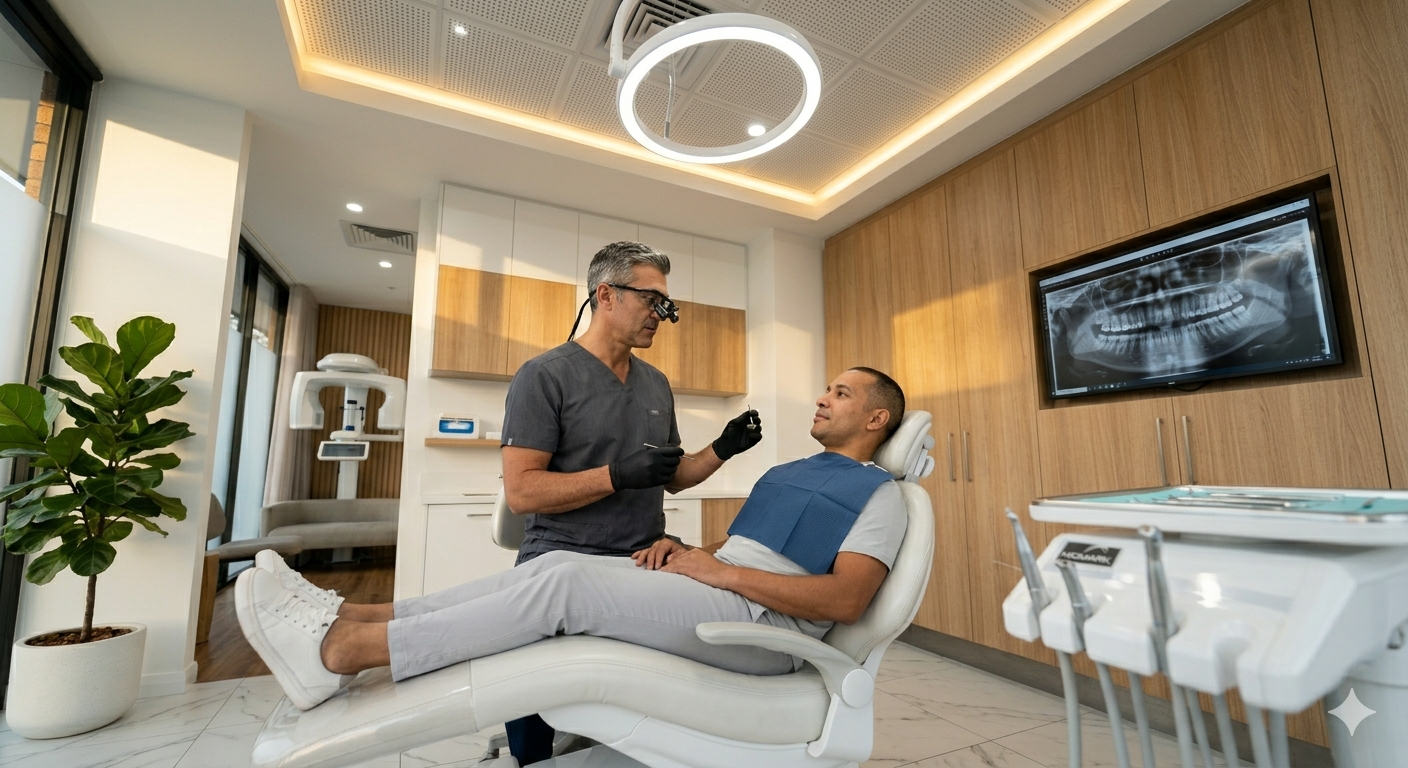
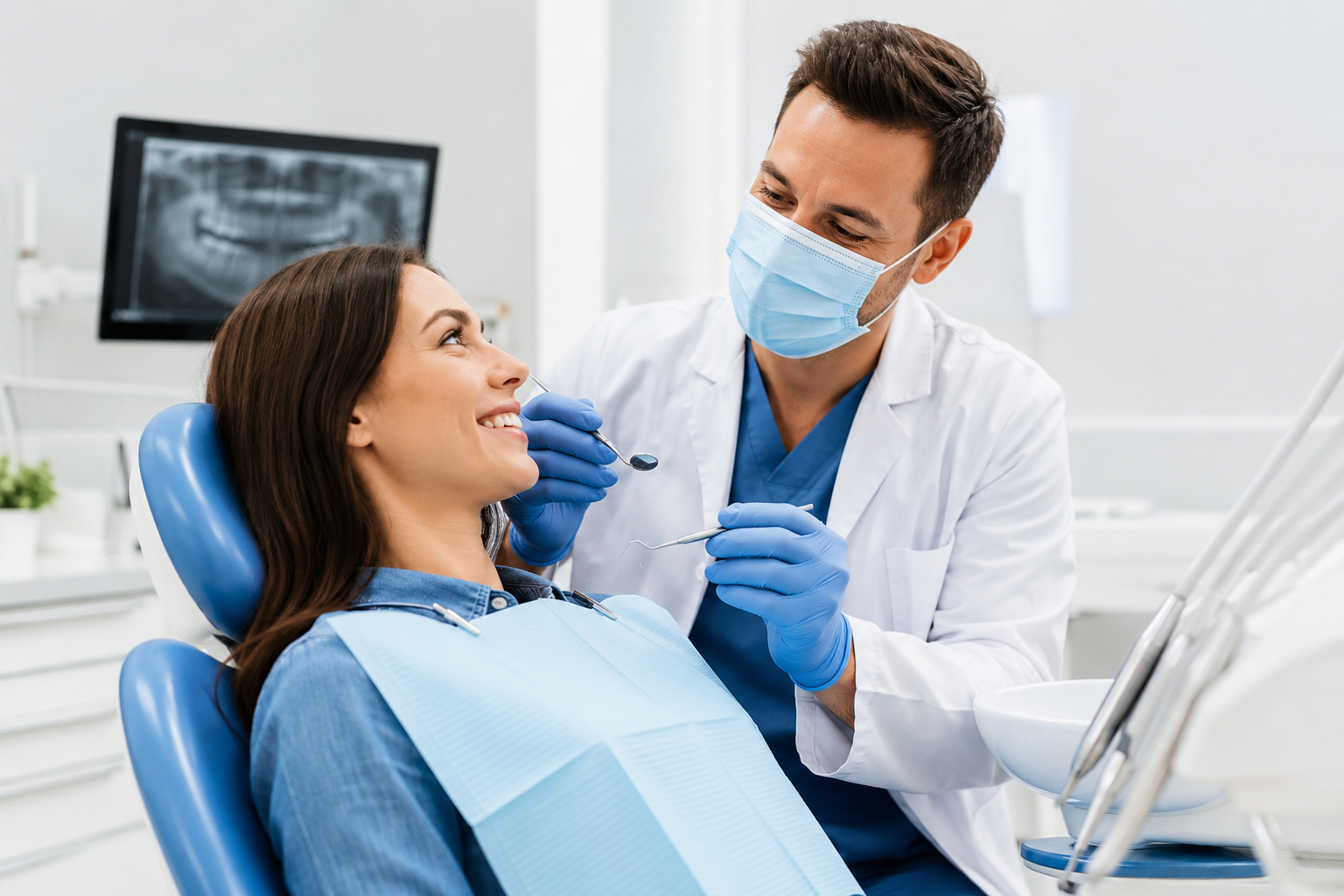
Blog image

Teeth whitening removes or reduces discoloration using peroxide-based agents, professional trays, or laser-accelerated systems. Effectiveness depends on stain type, enamel condition, and realistic expectations about shade change.

How Teeth Stains Develop

Stains fall into two main categories: extrinsic and intrinsic. Extrinsic stains sit on enamel and come from coffee, tea, red wine, tobacco, and colored foods. These respond well to professional cleanings and peroxide-based whitening.

Intrinsic stains form inside the tooth from trauma, certain medications (like tetracycline taken in childhood), excessive fluoride during development, or aging. These stains are harder to lighten and may need stronger in-office whitening, internal bleaching for root-treated teeth, or cosmetic veneers if whitening is insufficient.

Enamel thickness and natural tooth color affect results. Thinner enamel may reveal a darker dentin layer, limiting achievable whiteness. A dentist evaluates enamel health and stain type with clinical exam and dental history before recommending a treatment plan.

Who Is a Good Candidate for Whitening

Ideal candidates have healthy teeth and gums, no active decay, and realistic expectations about shade improvement. People with widespread extrinsic staining from diet or smoking see the most predictable results.

Those with large restorations, crowns, or bonded veneers should know these materials do not whiten; restorations may need replacement to match bleached teeth. Patients with gum disease, untreated cavities, or tooth sensitivity require treatment first. Pregnant or breastfeeding patients are usually advised to delay whitening.

Teens should be assessed for completed tooth development before bleaching. A dental exam, X-rays if indicated, and a discussion of goals help determine the safest, most effective approach.

What to Expect During Procedures

In-office whitening typically uses 25–40% hydrogen peroxide gel applied to exposed teeth with gingival protection. A single 45–90 minute visit can produce several shades of lightening; some practices use a light or laser to accelerate the process. Sensitivity during or after treatment is common but usually temporary.

Take-home trays involve custom-fitted trays and lower-concentration carbamide peroxide gel used for 30–90 minutes daily over one to two weeks. Results develop gradually and allow more control over shade. Over-the-counter products like strips offer milder whitening and variable results.

Dentists assess sensitivity risk, protect gums, and provide post-care instructions—avoid staining foods for 48 hours, use desensitizing toothpaste, and schedule follow-up to check results and plan maintenance.

Professional Whitening Services in San Diego

San Diego offers a range of professional whitening choices that balance speed, comfort, and long-term results. Patients can expect in-office options for immediate improvement and custom take-home systems for gradual whitening, all supervised by licensed dental professionals.

In-Office Whitening Procedures

In-office whitening uses higher-concentration bleaching agents applied by a dental professional for fast, predictable results. Treatments typically use 15–40% hydrogen peroxide or equivalent and take 45–90 minutes, often producing noticeable lightening in a single visit.

Clinics commonly pair the gel with protective barriers for gums and, sometimes, a LED or laser light to accelerate the chemical reaction. This approach suits patients who want a dramatic change before an event or those who need supervision due to sensitivity or restorations.

Typical outcomes range from 2–8 shades lighter depending on initial discoloration and cause (staining vs. intrinsic discoloration). Dentists screen for cavities, gum disease, and tooth restorations first, since those factors affect both safety and visible results.

Custom Take-Home Whitening Kits

Custom take-home kits provide a middle ground: dentist-made trays fit the patient’s teeth, and lower-concentration gel is used over days to weeks. Trays are made from impressions or digital scans to ensure even contact and to reduce gum irritation.

Patients usually wear the trays for 30 minutes to overnight, depending on gel strength. The supervised, gradual protocol reduces sensitivity and offers more control over final shade compared with over-the-counter strips.

Dentists advise a treatment plan, monitor progress, and provide boosters or touch-up gels for maintenance. Custom kits work well for people with mild to moderate staining, frequent coffee or wine consumption, or who prefer a slower, controlled approach.

Safety and Effectiveness of Professional Options

Professional whitening is generally safe when performed or supervised by a licensed dentist; proper assessment prevents complications. Dentists check for enamel defects, tooth decay, gum disease, and incompatible restorations before recommending a protocol.

Common side effects include transient tooth sensitivity and mild gum irritation; these typically resolve within days. Dentists can lower gel concentration, shorten application time, or prescribe desensitizing toothpaste to manage symptoms.

Effectiveness depends on stain type, existing restorations, and patient adherence to post-treatment care. Composite fillings and crowns do not whiten, so dentists may plan restoration replacement after bleaching to match new tooth color. They recommend periodic touch-ups and avoiding staining foods to extend results.

Comparing Over-the-Counter Products

These options balance cost, convenience, and expected results. Readers should weigh how quickly they want whitening, sensitivity risk, and whether they need spot treatment or full-mouth whitening.

Whitening Strips and Gels

Whitening strips and gels use peroxide-based bleaching agents (commonly 6–10% hydrogen peroxide or equivalent). They deliver noticeable shade improvement in 1–2 weeks for surface and some deeper stains, especially from coffee, tea, and tobacco.

Application varies: strips adhere directly to teeth for 30–60 minutes daily, while gels go into reusable trays or brush-on applicators for shorter or guided times. Strips usually provide more uniform coverage than brush-on gels, but gels can target isolated spots or upper/lower arches separately.

Common side effects include tooth sensitivity and mild gum irritation; sensitivity often peaks early and subsides after treatment ends. People with exposed roots, recent restorations, or active gum disease should consult a dentist before use. For best results, follow product instructions, avoid acidic or strongly pigmented foods during treatment, and combine with good oral hygiene.

Whitening Toothpaste and Rinses

Whitening toothpastes use abrasives and low concentrations of chemical agents (typically <1% hydrogen peroxide) to remove surface stains. They brighten teeth gradually over weeks by polishing and preventing new surface staining rather than changing intrinsic tooth color.

Whitening rinses contain peroxide and can reach between teeth and along the gumline where a brush misses. They require daily use for 2–3 months to see modest improvement and work best as adjuncts to strip/gel treatments rather than as standalone solutions for deep staining.

Both formats produce minimal sensitivity compared with peroxide treatments but offer less dramatic results. They suit maintenance after professional whitening, prevention of new stains, or patients seeking incremental change without increased sensitivity risk.

Choosing the Right Whitening Solution

Different whitening options fit different needs: level of staining, sensitivity history, budget, and desired speed of results. The right choice balances effectiveness with comfort and dental safety.

Evaluating Treatment Goals and Expectations

Patients should define specific, measurable goals — for example, lighten two shades for an upcoming wedding or remove years of coffee staining. Professional in-office whitening (single 60–90 minute session) typically delivers the fastest, most noticeable change of 6–8 shades for deep extrinsic stains. Custom take-home trays from a dentist give controlled, gradual whitening over 1–2 weeks and suit people who prefer slower progress or need repeat touch-ups.

Over-the-counter strips and whitening toothpastes work best for mild surface stains and cost less, but expect smaller, incremental improvements over several weeks. Set realistic timelines: rapid, dramatic whitening may require multiple professional visits or combined approaches, while at-home methods need patience. Recommend discussing desired shade and timeline with a dentist to match expectations to a safe plan.

Considering Tooth Sensitivity and Dental History

A history of tooth sensitivity, enamel erosion, recent restorations, or gum disease changes the approach. Those with sensitivity may benefit from lower-concentration gels in custom trays, potassium nitrate-containing desensitizing agents, or shorter in-office activation cycles to reduce discomfort. In some cases, pre-treatment with topical fluoride or desensitizing varnish can improve tolerance.

Existing crowns, veneers, or composite fillings will not whiten, so restorations may need replacement after whitening to match natural teeth. Active decay or untreated gum disease must be addressed before whitening to avoid irritation or uneven results. Dentists should review medical history, medications that affect oral tissues, and prior bleaching reactions before recommending a plan.

What to Know Before Your Whitening Appointment

Patients should expect a short exam, clear costs, and guidance on sensitivity management. They should bring information about restorations and current medications to ensure safe, effective treatment.

Preparing for Your Visit

The dental office will perform a quick oral exam to check for cavities, gum disease, and existing restorations like crowns or veneers. Untreated decay or active gum inflammation typically must be addressed first, because whitening gel can irritate soft tissue and produce uneven results over restorations.

Bring a list of current medications and recent dental work dates. Certain drugs (for example, some antibiotics taken during tooth development) affect baseline tooth color and expectations. If desiring take-home trays, the practice will take digital or physical impressions; expect 30–60 minutes for impressions or intraoral scans.

Avoid heavy coffee, red wine, or tobacco on the day of treatment to reduce immediate staining. If using topical fluoride or desensitizing toothpaste, mention it; the clinician may recommend a specific pre-treatment protocol to minimize post-whitening sensitivity.

Post-Treatment Care Tips

Expect temporary sensitivity for 24–72 hours; over-the-counter potassium nitrate toothpaste or a neutral pH fluoride gel can reduce discomfort. The clinic may provide a desensitizing gel or recommend applying a sensitivity formula twice daily for a week.

Follow a 48–72 hour “white diet”: avoid coffee, red wine, berries, soy sauce, and colored sauces to maintain results. If provided, wear take-home trays as instructed—typically nightly or every other night for a short booster—because follow-up treatments extend longevity.

For restorations, note that crowns and veneers do not whiten; plan to discuss replacement or staining options if color mismatch occurs. Schedule a follow-up appointment or touch-up plan; many San Diego practices offer 6–12 month review and tailored maintenance products.

Long-Term Care for a Bright Smile

Maintaining a bright smile after professional whitening requires consistent habits and occasional touch-ups. Patients should expect to combine daily care, lifestyle adjustments, and periodic professional maintenance to keep results looking natural and long-lasting.

Maintaining Results After Treatment

After in-office or take-home whitening, patients should follow the dentist’s specific instructions about avoiding food and drink that stain for 24–48 hours. Use the prescribed post-whitening toothpaste for the first two weeks to reduce sensitivity and help stabilize shade.

Schedule a follow-up with the dental office 2–6 weeks after treatment to confirm shade stability and address sensitivity. For many, a single professional touch-up every 6–12 months maintains brightness; those who drink coffee, tea, or red wine daily may need touch-ups every 3–6 months.

Use custom take-home trays for quick at-home touch-ups: apply a low-concentration gel (10% carbamide peroxide) for 1–2 nights or a shorter daily application as directed. Track results with photos under consistent lighting to decide when a touch-up is necessary rather than guessing by memory.

Healthy Habits to Prevent New Stains

Reduce stain intake by limiting or modifying consumption of coffee, black tea, red wine, dark sodas, and brightly colored sauces. When drinking staining beverages, use a straw and rinse with water afterward to minimize contact with tooth enamel.

Brush twice daily with fluoride toothpaste and floss daily to remove surface pigments before they embed in enamel. Consider an electric toothbrush for more effective plaque removal, and use an antimicrobial mouthwash if recommended by the dentist.

Incorporate regular professional cleanings every 3–6 months to remove tartar and surface stains that home care misses. For patients who smoke, quitting or switching to less staining alternatives produces the largest long-term improvement in tooth color and oral health.

If sensitivity or gum irritation develops, consult the treating dentist rather than stopping maintenance; they can adjust concentration, frequency, or recommend desensitizing agents. For personalized guidance, patients should contact their local San Diego dental practice to plan an individualized maintenance schedule.

When to Consult Your San Diego Dental Specialist

If teeth staining appears suddenly or is uneven, the dentist should evaluate it. Sudden discoloration can signal internal problems like trauma or infection that need prompt care.

People with sensitive teeth or gum disease should avoid over-the-counter whiteners until checked. A dental exam can identify cavities, exposed roots, or inflamed gums that make whitening uncomfortable or ineffective.

Prior dental work—crowns, veneers, or fillings—often does not respond to bleaching the same way natural teeth do. A specialist can map which restorations need replacement or alternative treatments for a consistent result.

Expectations matter. If someone wants dramatic whitening in a short time, an in-office option may be safest and most predictable. For gradual brightening, a custom take-home kit provides control with professional oversight.

Pregnant or nursing patients, and those with certain medical conditions or medications, should seek professional advice before whitening. The dentist will review health history and recommend the safest approach.

Signs to schedule a consult now:

  • Persistent tooth pain after whitening attempts
  • Uneven color despite repeated products
  • Visible wear, chips, or exposed dentin
  • Recent dental work that might be affected

They can perform an exam, discuss realistic outcomes, and suggest the best plan for comfort and longevity. Call or message a San Diego dental specialist to arrange an evaluation and personalized recommendation.

Frequently Asked Questions

This section answers common concerns about whitening stubborn stains, differences between in-office and take-home options, speed of treatments like Zoom, expected longevity and maintenance, what happens during appointments, and how to pick a reliable provider.

Which whitening treatment works best for stubborn stains from coffee, tea, or wine?

Stubborn extrinsic stains often respond best to in-office professional whitening using higher-concentration peroxide gels and activated light or heat when appropriate.
For deeply set or long-standing stains, dentists may combine in-office whitening with custom take-home trays to boost and maintain results.

How does in-office whitening compare to take-home trays in terms of results and sensitivity?

In-office whitening delivers faster, more noticeable shade changes in a single visit, typically 3–8 shades depending on the system and starting color.
Take-home trays use lower peroxide concentrations over several days or weeks, producing gradual results with generally less acute sensitivity.

Is Zoom whitening a good choice if I want fast results before an event?

Zoom whitening often produces visible improvement in a single 60–90 minute visit, making it a practical option before special events.
Patients should discuss sensitivity risks and realistic shade expectations with their dentist at least a week before the event.

How long do whitening results typically last, and what can I do to maintain them?

Results commonly last 6 months to 3 years depending on diet, oral hygiene, and tobacco use.
To extend results, maintain twice-daily brushing with fluoride toothpaste, floss daily, avoid or reduce staining foods and drinks, and use touch-up trays or over-the-counter maintenance products as recommended.

What should I expect during a professional whitening appointment, and will it be comfortable?

Appointments usually begin with an exam and cleaning, followed by gum protection, application of the whitening gel, and timed activation cycles.
Most patients report mild, temporary sensitivity; dentists offer desensitizing gels, shorter cycles, or adjusted protocols to increase comfort.

How do I choose a trusted whitening provider—what should I look for in patient reviews and credentials?

Look for a licensed dentist with specific experience in cosmetic or restorative dentistry, positive patient reviews mentioning comfort and predictable results, and before-and-after photos.
Check that the practice explains risks, provides a customized treatment plan, and offers follow-up care or maintenance guidance.

Full Mouth Restoration Options San Diego CA: Modern, Comfortable Treatment Plans From a Trusted Local Dentist

You can explore full mouth restoration options in San Diego with confidence, knowing experienced specialists combine implants, crowns, bridges, and modern restorative techniques to rebuild function and appearance. A personalized treatment plan from a San Diego dental team can restore chewing, comfort, and a natural-looking smile within a predictable timeline.

They explain common concerns like tooth loss, worn bites, and chronic pain, then match treatments—from restorative crowns and implant-supported prostheses to digital planning and sedation—to each person’s needs. Expect clear cost guidance, recovery tips, and a focus on comfort and long-term oral health as you move from consultation to a healthier, more confident smile.

Understanding Full Mouth Restoration

Blog image

Full mouth restoration repairs and restores all or most teeth to improve chewing, appearance, and jaw function. It combines dental specialties—restorative, prosthodontic, surgical, and cosmetic—to create a coordinated treatment plan tailored to each patient’s needs.

What Full Mouth Restoration Involves

A full mouth restoration typically begins with a comprehensive exam: digital X-rays, intraoral photos, bite analysis, and sometimes CBCT scans. The dentist documents worn teeth, missing teeth, gum health, TMJ status, and existing restorations to map priorities.

Treatment mixes procedures depending on goals. Common elements include crowns and onlays to rebuild damaged teeth, dental implants or bridges to replace missing teeth, periodontal therapy to treat gum disease, and root canals when needed. Orthodontics or bite equilibration may correct occlusion and distribute forces evenly.

The process often phases care over weeks to months. Phase 1 addresses infection and gum health. Phase 2 reconstructs teeth and restores vertical dimension. Phase 3 places final prosthetics and refines bite. Dentists use materials such as zirconia crowns, porcelain veneers, and implant-supported prostheses for durability and appearance.

Who Might Benefit Most

Patients with widespread tooth wear from grinding, multiple failing restorations, extensive decay, or advanced gum disease often need full mouth restoration. Those with missing teeth that compromise chewing, or chronic jaw pain and bite collapse, also qualify.

People who have had traumatic dental injuries or congenital defects that affect many teeth can regain function and confidence through comprehensive care. Older adults with long-term dental neglect frequently require a combination of periodontal care and prosthetic replacement.

Patients seeking aesthetic and functional improvement together—such as restoring a collapsed bite while achieving a natural smile—often choose full mouth rehabilitation. The ideal candidate commits to multiple visits, possible temporary restorations, and maintenance appointments after treatment.

Common Goals of Treatment

Restoring reliable chewing function ranks high; patients want to eat comfortably without pain or food limitations. Treatment aims to establish a stable bite, redistribute occlusal forces, and prevent further tooth breakdown.

Another goal focuses on oral health: eliminating infections, controlling gum disease, and replacing teeth to protect adjacent structures. Durable materials and properly placed implants reduce recurrent decay and restore long-term stability.

Cosmetic goals matter too—matching tooth shade, shape, and alignment to create a natural, confident smile. Comfort during treatment and predictable outcomes are priorities, so clinicians often offer sedation options and temporary restorations while final work is completed.

If questions arise or a personalized plan is needed, patients are encouraged to consult a qualified restorative or prosthodontic dentist to review options, timelines, and expected costs.

Common Dental Concerns Addressed

This section outlines primary problems that full mouth restoration commonly fixes: lost or broken teeth, extensive decay and wear, and bite or alignment problems that cause pain or function loss. Treatments restore chewing, speech, and appearance while prioritizing comfort and long-term stability.

Missing or Damaged Teeth

Patients with one or more missing teeth often receive dental implants, implant-supported bridges, or removable prostheses depending on bone volume, budget, and lifestyle.
Dental implants replace roots with titanium posts and attach crowns or bridges, which preserves bone and feels most like natural teeth. Implant-supported bridges can span several missing teeth without altering adjacent healthy teeth.

Removable dentures remain an option when implants aren’t feasible; modern dentures fit better and can be stabilized with implants for improved comfort. Treatment planning typically includes CT scans to assess bone, sinus health, and nerve locations before recommending implant placement.

Severe Tooth Wear and Decay

Severe wear and decay often require a combination of treatments: extractions, crowns, root canals, onlays, and sometimes implants to rebuild form and function.
Dentists evaluate vertical dimension (bite height) and may increase it gradually with provisional restorations to prevent muscle strain or TMJ symptoms.

Restorations use durable materials—zirconia or porcelain fused to metal—for posterior strength and aesthetic ceramics for front teeth. Preventive measures follow restoration: fluoride, occlusal guards for bruxism, and scheduled maintenance to protect the new work.

Bite and Alignment Challenges

Malocclusion, uneven bite forces, and jaw joint pain frequently accompany advanced dental problems and can compromise restorations if unaddressed.
Orthodontics (clear aligners or braces), equilibration (selective reshaping), and occlusal splints help establish a stable bite before final crowns or prostheses are placed.

Complex cases may combine orthodontics with restorative work or orthognathic surgery when skeletal discrepancies exist. The treatment goal prioritizes balanced chewing forces, reduced joint pain, and longevity of the restorations, with phased planning and comfort-focused protocols throughout.

Restorative Treatment Options

These treatments restore chewing, speech, facial support, and smile appearance. They differ in permanence, cost, and how much natural tooth structure they preserve.

Dental Implants and Bridges

Dental implants replace tooth roots with titanium posts surgically placed into the jawbone. After the bone integrates (osseointegration) over a few months, a custom abutment and crown restore function and appearance. Implants can support single crowns, multi-tooth bridges, or full-arch prostheses like implant-retained dentures.

Bridges use natural teeth or implants as anchors to span missing teeth. Traditional fixed bridges require adjacent teeth to be prepared for crowns; implant-supported bridges avoid altering healthy teeth. Implants preserve jawbone volume and typically last longer but require adequate bone and a surgical procedure.

Candidates choose implants for long-term stability and natural feel. Bridges suit patients who prefer non-surgical options or when implants are contraindicated. Cost, treatment time, bone quality, and medical history guide the decision.

Crowns and Veneers

Crowns fully cap damaged or decayed teeth to restore strength and shape. Dentists use crowns after root canals, large fillings, or fractures. Materials include porcelain-fused-to-metal, zirconia, and all-ceramic options; each balances aesthetics, strength, and wear.

Veneers are thin porcelain or composite shells bonded to the front of teeth to correct chips, stains, or minor alignment issues. Veneers remove less tooth structure than crowns but are mainly cosmetic and not suitable for heavily broken teeth.

Both restorations require precise impressions and lab work or same-day CAD/CAM fabrication. Proper bite adjustment and occasional replacement (typically 10–15 years depending on material and care) keep them functioning. Patients should maintain good oral hygiene and regular dental check-ups to maximize longevity.

Dentures and Overdentures

Dentures replace full or partial arches with a removable prosthesis that rests on gums and underlying bone. Conventional full dentures suit patients with extensive tooth loss but may feel less stable and require periodic relining as bone resorbs. Partial dentures clasp to remaining teeth to fill gaps and preserve alignment.

Overdentures attach to implants or retained roots for improved stability and chewing efficiency. Implant-retained overdentures use two to four implants per arch commonly, offering a secure fit without full-arch fixed prostheses. They reduce sore spots and improve confidence when speaking and eating.

Choosing between removable and implant-retained options depends on bone availability, budget, dexterity, and lifestyle. Dentists evaluate jawbone, oral health, and functional goals to recommend the best prosthesis and maintenance plan.

Advanced Techniques and Technology

These techniques prioritize predictable outcomes, shorter treatment times, and a more comfortable patient experience. They combine digital design with precise imaging to plan restorations that fit anatomy, function, and esthetics.

Digital Smile Design

Digital Smile Design (DSD) uses high-resolution photos and video to map tooth proportions, gum levels, and facial features. The dentist or lab creates a visual mockup so the patient sees proposed changes before treatment begins.

DSD integrates measurements with patient goals to set realistic esthetic targets. It guides veneers, crowns, and implant positions to harmonize with the smile line and lip dynamics.

Benefits include clearer communication, fewer surprises, and efficient lab work. Patients review and approve a simulated outcome, which reduces revisions.

Clinicians can export DSD specs directly to mills or 3D printers for provisional restorations that match the approved design. This streamlines try-ins and shortens the overall timeline.

3D Imaging and Planning

Cone-beam CT (CBCT) provides 3D views of bone volume, nerve location, and sinus anatomy crucial for full mouth restoration. It lets the team evaluate implant sites, bone graft needs, and prosthetic emergence profiles before any surgery.

Software fuses CBCT data with intraoral scans to produce a virtual treatment plan. Virtual implant placement tools allow precise angulation and depth planning, minimizing risk to nerves and sinuses.

Surgical guides fabricated from the plan enable guided implant surgery with predictable positioning. That accuracy improves long-term prosthetic fit and reduces chair time.

Clinics in San Diego often pair 3D imaging with digital bite records to ensure occlusion is addressed. This coordinated approach supports durable, comfortable restorations and clearer expectations for patients.

Personalizing Your Care Plan

A tailored full mouth plan balances diagnostic precision, functional needs, and aesthetic goals. It sets timelines, budgets, and comfort measures so patients know what to expect at every visit.

Consultation and Assessment Process

The initial consultation begins with a comprehensive medical and dental history review. The clinician asks about current symptoms, past treatments, medications, and any anxiety or comfort preferences to plan sedation or accommodations.

Next comes a structured clinical exam with intraoral photos, periodontal charting, and occlusal (bite) analysis. Digital X-rays and a cone beam CT scan are often used to evaluate bone levels, root positions, and sinus anatomy for implant planning. In-office or lab-fabricated study models and digital impressions record tooth relationships and guide restorative design.

The team compiles findings into a phased treatment plan with timelines and cost estimates. They prioritize urgent issues—pain, infection, or failing restorations—before elective aesthetic work. Pain control, infection management, and short-term temporary restorations are arranged to maintain function during definitive care.

Collaborating on Your Smile Goals

The clinician reviews visual references and uses digital smile-design mockups to align expectations. Patients choose tooth shape, color, and gum contours with guidance about what’s predictable and long-lasting.

Treatment trade-offs get described plainly: for example, implants offer bone preservation and long-term stability but require healing time; bridges are faster but alter adjacent teeth. The team lays out maintenance needs—oral hygiene routines, professional cleanings, and night guards—to protect investments.

Financial options, phased scheduling, and sedation choices get discussed so patients pick a comfortable pace. Appointments include clear checkpoints for reviewing outcomes and adjusting the plan based on healing, function, and patient satisfaction.

Cost Considerations and Financial Guidance

Patients should expect a range of costs based on treatment type, materials, and clinic expertise. Upfront estimates, financing, and long-term value all affect the final decision.

Insurance and Payment Options

Most major dental insurance plans cover partial costs for restorative procedures like crowns or root canals but rarely cover full-mouth reconstructions in full. Patients should request a predetermination from their insurer that lists covered procedures and remaining out-of-pocket costs before beginning treatment.

Dental practices in San Diego commonly accept PPO plans, offer in-house payment plans, and work with third-party medical/dental lenders (CareCredit, LendingClub). Compare interest rates, repayment terms, and any deferred-interest promotions.

For procedures categorized as cosmetic—such as some veneer-driven rehabilitations—insurance often denies coverage. Patients can ask the office for an itemized treatment plan and billing codes (CDT codes) to submit claims or appeals.

Many clinics provide a written estimate that separates surgical, restorative, and lab fees. Confirm whether imaging (CBCT), sedation, and follow-up visits are included or billed separately.

Investing in Long-Term Oral Health

Full-mouth restoration can range widely in cost: from conservative rebuilds using crowns and bridges to implant-supported full-arch solutions costing significantly more. Patients should weigh initial price against durability and expected lifespan of materials.

Implant-supported prostheses typically cost more upfront but often reduce long-term maintenance versus removable dentures. Ask for projected timelines for replacements, common maintenance expenses, and the practice’s warranty or maintenance program.

Preventive steps—periodontal therapy, quitting tobacco, and consistent hygiene—reduce complication risks and future expenses. Patients should request a phased treatment plan that prioritizes urgent oral health needs and spreads costs over time when possible.

Many San Diego practices offer a free or low-cost consultation to review options, provide financing paperwork, and discuss realistic timelines. Patients are encouraged to schedule a consultation to get a personalized estimate and payment plan tailored to their clinical needs.

The Road to a Comfortable Recovery

Patients should know the timeline, common sensations, and practical steps that make recovery predictable and as comfortable as possible. Pain control, eating adjustments, and follow-up care matter most to returning to normal function.

What to Expect During Treatment

Most full mouth restorations in San Diego begin with a diagnostic visit, digital scans, and a personalized treatment plan. Procedures often combine extractions, bone grafts, implants, and temporaries; a single-day implant protocol may apply if bone and health allow.

During surgery patients can expect local anesthesia and frequently IV sedation for comfort. Typical chair time ranges from two to six hours depending on the number of implants and grafting. Immediate post-op sensations include swelling, mild-to-moderate soreness, and numbness for a few hours; bleeding should taper within 24 hours.

Clinics provide written post-op instructions and prescriptions for short courses of antibiotics and analgesics (ibuprofen or acetaminophen, sometimes combined with a low-dose opioid). Cold packs, head elevation, and soft foods reduce discomfort and promote healing. Clear communication about emergency signs—excessive bleeding, fever over 101°F, or uncontrolled pain—helps patients act quickly.

Aftercare and Healing

First 48–72 hours focus on inflammation control and avoiding actions that disturb the surgical site. Patients should rinse gently with saline after 24 hours, avoid spitting or using a straw, and stick to soft, protein-rich foods like mashed potatoes, yogurt, and well-blended soups.

Oral hygiene resumes carefully: soft brushing away from incisions and antiseptic rinses as recommended. For implant sites, osseointegration takes three to six months; during this period patients visit the dentist every 4–8 weeks for checks and adjustments to temporaries. Smoking and heavy alcohol use significantly slow healing and increase infection risk; cessation improves outcomes.

Pain typically drops each day; persistent swelling or worsening pain after 72 hours warrants immediate contact. Follow-up visits include suture removal, radiographs, and final prosthetic planning once bone integration is confirmed. Patients who follow instructions and attend scheduled visits see the best functional and aesthetic results, so they should call the office with questions or to schedule their next check-up.

Why Choose a San Diego Specialist

Patients benefit from local specialists who understand San Diego’s unique patient needs and lifestyles. They often combine years of advanced training with hands-on experience in full mouth restoration.

A San Diego specialist typically offers access to the latest technology, such as 3D imaging and guided implant systems. These tools improve planning accuracy and reduce chair time, which helps anxious or busy patients.

Many specialists work within multidisciplinary teams — prosthodontists, periodontists, oral surgeons, and hygienists collaborate. That team approach makes complex cases more predictable and keeps care coordinated.

Comfort and patient experience receive strong emphasis in reputable San Diego practices. Options like sedation dentistry, clear communication about each step, and individualized treatment timelines reduce stress.

Costs and financing are explained up front, with clear treatment plans and breakdowns. Patients can compare options such as implants, fixed bridges, or hybrid prostheses and choose what fits their goals and budget.

A local specialist also provides ongoing maintenance and preventive care tailored to Southern California lifestyles. Regular follow-ups, hygiene coaching, and prompt access for adjustments protect long-term results.

Encourage consultation with a board-certified or fellowship-trained clinician to review imaging and discuss realistic outcomes. They can answer questions, outline risks and benefits, and help plan the next steps toward restoring function and confidence.

Next Steps Toward Your Healthy Smile

They should schedule a comprehensive consultation to review medical history, current oral health, and cosmetic goals. This visit often includes digital X-rays and intraoral photos to create a clear treatment map.

The dentist will present tailored options—such as implants, bridges, or dentures—explaining benefits, timeline, and estimated costs. Patients receive a step-by-step plan that balances function, appearance, and comfort.

Financial and insurance questions get addressed early to reduce surprises. Many practices offer payment plans, third-party financing, or phased treatment to make care manageable.

A pre-treatment checklist helps patients prepare: stop smoking, arrange transportation for longer procedures, and review medication instructions. Good oral hygiene and realistic expectations improve outcomes and recovery.

They should ask about sedation choices, anesthesia safety, and post-op care to feel confident before starting. Clear communication about discomfort management and follow-up visits promotes smoother healing.

Use the table below to compare common full-mouth routes at a glance:

OptionTypical timelineComfort & maintenance
Implant-supported restorationsMonths (staged)High stability; routine hygiene
Fixed bridgesWeeks to monthsModerate; may affect adjacent teeth
Removable denturesWeeksCost-effective; requires adjustments

Encourage scheduling a consult or calling with questions to begin planning personalized care.

Frequently Asked Questions

This section answers common concerns about diagnosing severe dental problems, treatment choices, timelines, surgical needs, and home care for lasting results. It focuses on practical signs, compare major options, outline typical treatment steps, and give comfort and maintenance tips.

What signs tell me I might need a full mouth restoration rather than a few fillings or crowns?

They experience widespread tooth pain, chronic sensitivity, or multiple fractured teeth across both upper and lower arches. Extensive wear from grinding, advanced gum disease with bone loss, or many missing teeth that change how the bite fits also indicate a larger restorative plan.

Visible bite collapse, frequent problems with chewing, or repeated failure of restorations suggest localized fixes won’t be durable. A dentist will assess tooth structure, periodontal health, vertical dimension, and occlusion to decide between limited treatment and full-mouth care.

What are the most common treatment options for rebuilding a worn, damaged, or missing-tooth smile?

The most common approaches are combinations of crowns and veneers to restore tooth form, dental implants to replace missing roots and teeth, implant-supported bridges for multiple adjacent losses, and full or partial dentures when many teeth are missing. Periodontal treatment and root canals are often needed first to control infection and stabilize remaining teeth.

Hybrid solutions—such as crowns on natural teeth plus implant-supported prostheses—help balance cost, function, and esthetics. The dentist tailors the plan to jawbone levels, bite relationships, and the patient’s cosmetic and functional goals.

How do dental implants, implant-supported bridges, and dentures compare for stability and comfort?

Single dental implants mimic natural tooth roots and offer the highest stability and chewing efficiency. Implant-supported bridges distribute force across implants for stable multi-tooth replacement without relying on adjacent natural teeth.

Removable dentures are least stable and can move during eating and speaking, though modern designs with good fit or attachment to implants greatly improve comfort. Implant-retained dentures combine affordability with much better stability than conventional dentures.

When would I need an oral surgeon as part of my treatment plan, and what would they do?

An oral surgeon becomes necessary when tooth extractions, bone grafting, sinus lifts, or placement of endosteal implants are required. They handle complex surgical steps to rebuild bone volume, remove impacted or failing teeth, and place implants in precise positions.

The surgeon coordinates with the restorative dentist to ensure implants align with the planned crowns or prostheses. Sedation or general anesthesia is available for comfort during longer or more invasive procedures.

How long does a full mouth restoration usually take, and what does the step-by-step process look like?

Full mouth restoration typically spans several months to over a year depending on extractions, healing, grafting, and implant osseointegration. Initial evaluation and imaging occurs first, followed by any necessary periodontal or endodontic treatment, extractions, and bone grafting if needed.

Next comes implant placement (if chosen) and a healing phase of three to six months for bone integration. Final restorative steps include fitting crowns, bridges, or dentures, making bite adjustments, and follow-up visits to refine esthetics and function.

What can I do to stay comfortable during treatment and protect my results long-term?

Patients should discuss sedation and local anesthesia options to reduce anxiety and discomfort during procedures. Using prescribed pain control, soft foods during early healing, and protecting temporary restorations helps recovery.

Long-term protection includes nightly use of a custom occlusal guard if grinding occurs, twice-daily brushing with a non-abrasive fluoride toothpaste, daily interdental cleaning, and regular professional cleanings every three to six months as recommended. A follow-up plan with periodic bite checks and prompt repair of any loose restorations preserves outcomes and comfort.

1775138876557 58453b83 Gemini Generated Image X9f6adx9f6adx9f6

All-On-4 Dental Implants San Diego CA: A Comfortable, Reliable Solution for Your Smile

All-on-4 dental implants in San Diego, CA, offer a reliable and efficient way for people to regain a full smile using just four implants. This treatment is designed to support a complete set of replacement teeth, providing stability and comfort without the hassle of traditional dentures. It’s an effective solution that helps patients enjoy eating, speaking, and smiling with confidence again.

Choosing All-on-4 implants means fewer visits and a quicker recovery compared to older methods. Patients often appreciate how this treatment feels natural and requires less bone density, making it accessible to many who thought implants weren’t an option. With advances in dental technology, many San Diego residents are discovering how convenient and life-changing this approach can be.

If someone is curious or worried about losing teeth or struggling with dentures, learning about All-on-4 implants can be reassuring. Talking to a trusted local dental expert is a great next step to see if this modern treatment fits their needs and lifestyle.

Understanding All-On-4 Implants

Blog image

All-On-4 implants offer a streamlined way to replace a full set of teeth using fewer dental implants. This method reduces treatment time and often avoids the need for bone grafting. It can be a game-changer for people seeking reliable and lasting dental restoration.

What Sets All-On-4 Apart from Traditional Implants

Traditional dental implants typically require one implant per tooth, which means 8 to 12 implants for a full arch. All-On-4 uses just four strategically placed implants to support an entire arch of replacement teeth. This approach minimizes surgery and recovery time.

The implants are placed at specific angles to maximize contact with the jawbone, providing stability even in patients with reduced bone density. It also often allows for same-day teeth placement, so patients leave with a functional smile. This makes All-On-4 less invasive and faster than typical implant procedures.

How the Procedure Works

During the procedure, four implants are carefully inserted into the jaw—two in the front and two angled in the back. This configuration uses available bone effectively. After placing implants, a temporary set of teeth is usually attached the same day.

The jaw then heals around the implants over a few months, creating a strong foundation. Once healed, a permanent prosthesis is custom-made and secured to the implants. The entire process usually avoids extra surgeries like bone grafts, making it more comfortable for many patients.

Who Can Benefit from This Option

All-On-4 is ideal for those with multiple missing teeth or failing dentures who want a stable, permanent solution. It suits patients with moderate bone loss who may not qualify for traditional implants without grafting.

People looking for quicker treatment times and fewer surgeries often choose All-On-4. It also benefits those seeking improved chewing function and a natural-looking smile without the hassle of removable dentures. Talking to a dental specialist can clarify if this treatment fits individual needs.

Advantages of All-On-4 for San Diego Patients

All-On-4 dental implants offer a practical and efficient option for those needing full-arch tooth replacement. They reduce time spent in the dentist’s chair and help patients regain function and comfort with fewer obstacles during recovery. The design and procedure also support improved daily living and self-esteem.

Faster Results with Fewer Visits

All-On-4 implants use just four strategically placed implants to support a full set of teeth. This approach means fewer surgical sites and a more straightforward procedure than traditional implants, which may require six or more implants per arch.

In San Diego, this efficiency is especially beneficial for patients balancing busy lifestyles. Many can go from tooth extraction to having a fixed provisional prosthesis in a single day. Fewer office visits reduce travel time and interruptions, making the process smoother for people on tight schedules.

Simplified Recovery Process

Because All-On-4 implants avoid the need for bone grafting in many cases, patients experience less swelling and discomfort after surgery. The fewer surgical sites also lower the risk of complications, promoting quicker healing.

Patients in San Diego can often return to normal eating habits within days, relying on their temporary prosthesis. Follow-up care focuses on monitoring healing and adjusting the restoration, not on extensive recovery protocols. This simplified process makes All-On-4 an attractive option for those wanting to get back to their routine quickly.

Improved Confidence and Comfort

With All-On-4, the prosthesis is securely anchored, eliminating the slipping and clicking common with traditional dentures. This stability improves chewing and speaking, which enhances daily comfort significantly.

Many San Diego patients find their new smile boosts confidence, helping them engage more comfortably in social and professional settings. The natural look of the prosthesis also helps maintain facial structure, reducing the sunken appearance that can occur with missing teeth.

Patients interested in discovering if All-On-4 is right for them are encouraged to schedule a consultation with a local specialist.

Treatment Planning and Personalized Care

Every patient’s smile and oral health needs are unique. Careful planning ensures treatments match individual anatomy, lifestyle, and goals, making the All-on-4 implant process smooth and successful.

Initial Consultation and Assessment

The process begins with a thorough consultation where the dentist reviews medical history, oral health, and specific concerns. This step includes a detailed look at bone density, gum condition, and existing teeth to determine candidacy for All-on-4 implants.

During the exam, comfort and communication are prioritized. Patients are encouraged to ask questions about the procedure, recovery, and expected outcomes. This personalized approach helps build trust and set clear expectations from the start.

Customized Treatment Recommendations

Based on the assessment, the dentist creates a tailored treatment plan. This includes the number and placement of implants, type of restoration, and any preparatory procedures like bone grafting if needed.

The plan also considers lifestyle factors like diet, habits, and daily routines. This ensures the final result not only restores function but fits naturally into the patient’s life, enhancing comfort and long-term success.

Digital Imaging and Smile Design

Advanced digital imaging plays a critical role in treatment planning. 3D scans capture precise details of the jawbone and surrounding tissues, guiding implant placement with accuracy.

Using digital smile design tools, the dentist visualizes the final outcome. Patients can see a preview of their new smile, helping them feel confident and involved in the process before any work begins. This technology reduces surprises and improves overall satisfaction.

What to Expect During the Procedure

The All-on-4 dental implant process is designed to be efficient and patient-friendly. It involves carefully planned steps to restore a full smile with minimal discomfort. Knowing how the procedure unfolds and what to expect can help patients feel more relaxed and prepared.

Sedation Options and Patient Comfort

Patients receive sedation tailored to their comfort level. Common choices include local anesthesia combined with sedation options like nitrous oxide (laughing gas) or oral sedatives. For those with anxiety or sensitive gag reflexes, IV sedation may be offered, providing a deeper state of relaxation.

Throughout the procedure, the dental team closely monitors vital signs to ensure safety. Comfort measures such as cushioning, breaks if needed, and a calm environment help minimize stress. The process is generally pain-free, with most discomfort managed by medication after the procedure.

Step-by-Step Overview

The procedure begins with removing any remaining damaged teeth in the arch. Then, the dentist places four titanium implants strategically in the jawbone for maximum support.

Next, a custom-made, temporary prosthesis is secured to the implants—often on the same day. This temporary set allows immediate function and appearance while the implants integrate with the bone over the next few months.

Adjustments to bite and fit are made during follow-up visits to ensure comfort. Once healing is complete, permanent prosthetics are crafted and attached for long-lasting results.

Timeline from Start to Finish

The entire process typically spans 3 to 6 months. The initial day involves consultation, imaging, and surgery, with immediate placement of the temporary teeth.

Following the surgery, there is a healing phase called osseointegration, which takes about 3 to 4 months. During this time, the jawbone bonds with the implants, providing a secure foundation.

After healing, patients return for the final prosthetic fitting. A few adjustments may be necessary to perfect bite and comfort. Regular check-ups afterward maintain implant health and functionality.

Caring for Your New Smile

Proper care after receiving all-on-4 dental implants is essential for lasting results and comfort. Following specific hygiene practices, avoiding harmful habits, and keeping regular dental appointments all work together to protect the investment in your new smile.

At-Home Oral Hygiene Tips

Maintaining excellent oral hygiene is crucial for the success of all-on-4 implants. Patients should brush twice daily using a soft-bristle toothbrush and non-abrasive toothpaste to avoid damaging the implant surfaces. An electric toothbrush can be especially helpful for thorough cleaning without excessive pressure.

Flossing around the implants helps remove plaque in hard-to-reach areas. Using a water flosser or interdental brushes can make this easier and more effective. Rinsing with an antimicrobial mouthwash daily also reduces bacteria and promotes gum health.

Consistent, gentle cleaning prevents inflammation and keeps your gums healthy. It’s best to avoid harsh scrubs or abrasive pastes that could irritate the implant sites.

What to Avoid After Surgery

In the weeks following surgery, it’s important to avoid certain activities to ensure proper healing. Patients should not chew hard or sticky foods like nuts, tough meats, or caramel for at least two months to protect the implants from excessive force.

Smoking and alcohol consumption can delay healing and increase the risk of infection. Both should be avoided, especially during the first few weeks post-surgery. Strenuous physical activity is also discouraged to reduce swelling and bleeding risks.

Cold or hot beverages may cause sensitivity initially, so it’s wise to consume foods and drinks at moderate temperatures. Following these precautions helps avoid complications and supports a smooth recovery.

Follow-Up Visits and Long-Term Maintenance

Regular follow-up visits allow the dentist to monitor the implants and address any early issues. Typically, the first check-up is scheduled 1-2 weeks after surgery, with subsequent appointments every 3-6 months depending on individual needs.

Professional cleanings remove buildup that daily brushing can miss. The dentist also assesses the condition of the prosthesis and the surrounding bone and gum tissue.

Long-term care includes maintaining oral hygiene routines and promptly reporting any discomfort, looseness, or unusual pain. Staying proactive ensures the implants last for many years.

Choosing the Right Dental Team in San Diego

Finding a skilled and compassionate dental team can make all the difference when considering All-on-4 dental implants. The right provider combines technical ability with patient-focused care, creating a smooth and confident experience.

Qualities to Look for in a Provider

A dependable dental team should offer clear communication and patient education. They take time to explain the procedure, costs, and recovery, helping patients feel comfortable and informed. Look for a team that values your concerns and answers questions patiently.

Comfort and personalization matter, too. Good providers tailor treatment plans to individual needs instead of using a one-size-fits-all approach. You want a team that makes you feel heard, respected, and supported throughout the implant process.

Importance of Experience and Training

Experience directly impacts implant success. Providers who have performed numerous All-on-4 procedures are more likely to anticipate challenges and adjust treatments effectively. In San Diego, many experienced specialists also use advanced technology like 3D imaging to plan surgeries with precision.

Ongoing training ensures dentists stay current with industry advancements. Choose a team that pursues regular education on implant techniques and materials. This commitment to learning improves treatment outcomes and patient safety, building trust in their expertise.

Cost Considerations and Financing Options

Understanding the costs and payment choices for all-on-4 dental implants helps patients plan effectively. Pricing varies based on several important factors. There are also different ways to manage payments, including insurance and financing plans.

Factors That Influence Pricing

The total price for all-on-4 implants in San Diego depends on multiple elements. These include the number of implants placed, the type of materials used, and any preparatory procedures like bone grafting. The skill and experience of the dental team also affect costs.

Additional fees may cover consultations, X-rays, and the final prosthetic teeth. Some clinics offer packages that combine all stages into one price. Patients should ask if follow-up visits or potential adjustments are included.

Insurance and Payment Plans

Most dental insurance plans do not fully cover implant procedures but may help with parts like extractions or X-rays. Patients should check their individual policies carefully. Some clinics work with insurance companies to maximize benefits.

Many offices provide financing options such as monthly payment plans or low-interest loans. These make treatment more accessible by spreading out costs over time. It’s important to review terms and choose a plan that fits the patient’s budget comfortably.

Common Concerns and Real Patient Stories

Many patients worry about the surgical process and recovery, while others wonder how real people have experienced All-on-4 implants in San Diego. Understanding common fears and hearing actual patient experiences can help ease concerns and build confidence.

Addressing Fears About Dental Surgery

It’s normal to feel nervous about dental surgery. Most patients are concerned about pain, recovery time, and possible complications. All-on-4 implants involve placing four strategically angled implants to support a full arch, which reduces surgery time and invasiveness.

Local dentists use sedation and numbing techniques to keep patients comfortable. Recovery usually takes a few days, with manageable swelling and mild discomfort. Clear aftercare instructions also help prevent infection and speed healing. Many patients find the procedure less intimidating after speaking with their dental team and learning what to expect step-by-step.

Testimonials from Local Patients

Real patient stories often highlight how quickly life improves after receiving All-on-4 implants. One San Diego resident shared that eating and speaking became easier within weeks, and she felt confident smiling again. Another patient noted the minimal downtime allowed him to return to work almost immediately.

Patients frequently mention the kindness and professionalism of their dental providers. Many describe the treatment as life-changing, particularly in regaining comfort and avoiding dentures. These firsthand accounts provide practical insight and reassurance for prospective candidates thinking about the procedure.

Next Steps: Scheduling a Consultation

Scheduling a consultation is the first step toward discovering if all-on-4 dental implants are the right choice. During this visit, the dental team will review the patient’s medical history, examine their oral health, and discuss their goals for treatment.

Most clinics in San Diego offer digital imaging during consultations to give a clear picture of the jawbone and overall dental structure. This helps the dentist plan the implant placement with precision and explain the process clearly.

Patients can expect to ask questions about the procedure, recovery time, and payment options. It’s a relaxed and informative meeting designed to address any concerns about comfort and outcomes.

For convenience, many offices offer flexible appointment times, including evenings or weekends. Calling ahead or booking online can make setting up the visit easy and stress-free.

What to Bring to Your ConsultationWhy It’s Important
Current dental X-raysHelps the dentist assess your needs
List of medicationsEnsures safe treatment planning
Insurance informationClarifies coverage and costs

Encourage patients to prepare a list of questions to get the most out of this appointment. A consultation is a chance to feel comfortable with the team and understand the path forward.

Frequently Asked Questions

This section covers important details about candidacy, the treatment process, costs, recovery, and implant options. It also highlights how to find a trusted dental team to guide patients through the journey.

Am I a good candidate for a full-arch implant solution if I have missing or failing teeth?

Candidates generally need adequate bone structure and good overall health. Those with advanced gum disease or significant bone loss may require preliminary treatments.

Candidates who are non-smokers and committed to oral hygiene typically have better outcomes. A consultation with a dental implant specialist will determine if All-on-4 is right for them.

What does the all-on-4 process look like from consultation to getting my final teeth?

It starts with a thorough exam, X-rays, and digital scans to plan implant placement precisely. Surgery involves placing four implants per arch, often with immediate temporary teeth.

After a healing period of a few months, permanent prosthetic teeth are custom-made and attached. The process usually includes regular check-ups to monitor healing and fit.

How much should I expect to pay for a full-mouth implant treatment, and what factors affect the total cost?

Costs vary, typically ranging from $20,000 to $35,000 per arch. Factors include the need for extractions, bone grafts, type of prosthetic teeth, and geographic location.

Insurance coverage varies widely, so patients should review their plans beforehand. Financing options are often available to make treatment more affordable.

Can I get temporary teeth the same day as surgery, and what will eating and speaking be like afterward?

Most patients receive temporary teeth on the same day as implant placement. These allow normal speaking and basic eating but require softer foods initially.

Healing takes several months, so diet adjustments are essential to avoid stress on implants. Speech usually improves quickly as patients adapt to their new teeth.

What’s the difference between all-on-4 and all-on-6, and how do I know which option fits my needs?

All-on-4 uses four implants to support a full arch, while All-on-6 adds two more implants for extra stability. All-on-4 suits patients with average bone volume; All-on-6 may be recommended for those needing more support.

Your dentist will evaluate bone density and bite forces to decide which system offers the best long-term results. Both options aim for durable, natural-feeling teeth.

How can I choose a trusted implant team, and what questions should I ask at my consultation?

Look for experienced specialists with good patient reviews and advanced technology. Ask about their success rates, the team’s experience with All-on-4, and what to expect during recovery.

Inquire about pain management, the customization process, and financing options to feel confident in your decision. A good team listens carefully and encourages open communication at every step.

1775138996586 2e765f28 Gemini Generated Image 95xp9v95xp9v95xp

Emergency Dental Services San Diego CA: Your Friendly Guide to Quick, Comfortable Care

Dental emergencies can happen unexpectedly, leaving people in pain and unsure where to turn. Emergency dental services in San Diego, CA, offer prompt care for issues like toothaches, broken teeth, and infections to relieve pain and prevent further damage. These facilities prioritize quick access and expert treatment, so patients get the help they need without unnecessary delay.

Whether it’s a weekend or late at night, many emergency dental clinics in San Diego provide flexible hours to accommodate urgent needs. They focus on patient comfort, using modern technology and gentle techniques to make emergency visits as stress-free as possible.

Knowing where to go and what to expect can ease the anxiety around dental emergencies. This guide explores the types of emergencies treated, how to prepare, and when to seek care so that anyone facing a dental crisis in San Diego can feel confident and supported.

What Qualifies as a Dental Emergency

Blog image

Certain dental problems demand swift attention to prevent worsening pain or damage. Knowing when an issue requires immediate care versus when it can wait will help patients make better decisions and protect their oral health.

Recognizing Urgent vs. Non-Urgent Dental Issues

Urgent dental problems often involve severe pain, bleeding, or damage that cannot wait for a routine appointment. Examples include knocked-out teeth, severe toothaches, fractured teeth exposing nerves, and uncontrolled bleeding after an injury. These situations need prompt care to reduce pain, save teeth, or prevent infection.

Non-urgent issues may include minor chips, loose crowns without pain, or mild sensitivity. These problems should be addressed soon but typically do not require emergency treatment. Understanding the difference helps avoid unnecessary panic and ensures timely professional help when it really counts.

Common Symptoms Requiring Immediate Care

Symptoms signaling a dental emergency include:

  • Intense, persistent tooth pain that affects daily activities
  • Heavy oral bleeding from trauma that won’t stop after 15 minutes of pressure
  • A tooth completely dislodged from its socket
  • Visible swelling on the face or gums that hinders breathing or swallowing
  • Signs of infection such as fever, pus, or red, tender gums near a tooth

If these occur, rapid intervention can prevent complications like infection spreading, tooth loss, or prolonged pain.

When to Seek Emergency Help

Emergency dental care should be sought if symptoms are severe, sudden, or worsen quickly. For example, after a fall causing facial injury, or when pain suddenly intensifies and over-the-counter medication doesn’t work, immediate care is crucial.

Waiting too long can make treatment more complicated or less effective. Patients experiencing severe pain, trauma, or signs of infection should contact an emergency dentist in San Diego promptly, rather than waiting for their regular dental appointment.

Types of Dental Emergencies Treated

Emergency dental care in San Diego handles a range of urgent issues that require quick attention to relieve pain and save teeth. These services focus on immediate relief and preventing further damage.

Severe Toothaches and Infections

Severe toothaches often signal underlying issues like decay, abscesses, or gum infections. These can cause intense pain, swelling, and sensitivity to hot or cold. Timely treatment is crucial to prevent the infection from spreading.

Dentists typically examine the tooth and may order X-rays to find the source of pain. Treatment might include draining an abscess, prescribing antibiotics, or performing root canal therapy to save the tooth. Managing pain quickly helps patients feel better and prevents complications.

Knocked-Out or Broken Teeth

Accidents can lead to teeth being knocked out or broken. In the case of a knocked-out tooth, reaching the dentist within one hour improves chances of reimplantation. Patients should keep the tooth moist, ideally in milk or saliva, and avoid cleaning it aggressively.

Broken teeth vary from small chips to large fractures exposing the nerve. Treatment options include bonding, crowns, or root canals depending on severity. Emergency dentists stabilize the tooth to relieve pain and restore function, helping patients return to normal eating and speaking quickly.

Lost Fillings or Crowns

Fillings or crowns that fall out expose the tooth’s sensitive inner layers, causing discomfort and increasing the risk of infection. Patients often experience sharp pain or sensitivity to temperature changes until the restoration is replaced.

Emergency care focuses on protecting the exposed tooth with temporary materials to reduce pain. Dentists assess the damage and recommend repairing or replacing the restoration promptly to prevent further decay or damage. Immediate attention preserves dental health and comfort.

How Emergency Dental Visits Work

Emergency dental visits in San Diego begin with a quick assessment to identify pain sources and the extent of damage. Dentists focus on reducing discomfort, stopping any bleeding, and preventing infection. Treatment steps vary based on injury type but are designed to stabilize the issue swiftly and effectively.

What to Expect During Your Appointment

When patients arrive, they are usually seen promptly or within a short wait time. The dentist or hygienist asks about symptoms, medical history, and how the injury or pain started. A physical exam follows, checking teeth, gums, and jaw for visible damage or swelling.

X-rays may be taken to pinpoint fractures or internal issues. Patients can expect clear communication about findings and a simple treatment plan explained before any procedures begin. Comfort measures, like local anesthesia, help ensure the process is as pain-free as possible. Staff members often offer advice on managing pain or swelling until treatment starts.

Steps Dentists Take to Relieve Pain

Pain relief is a priority and starts with a local anesthetic to numb affected areas. For infections, antibiotics may be prescribed immediately. Dentists use different tools to either repair damaged teeth, remove debris, or drain abscesses to reduce pressure and discomfort.

In some cases, splints or temporary crowns stabilize loose or broken teeth. If swelling is present, cold compresses or anti-inflammatory medications are recommended to control it. The dentist guides patients on how to care for the injury at home, emphasizing gentle cleaning and avoiding certain foods or activities.

Typical Timeline for Emergency Treatment

Most emergency dental treatments happen during a single visit, especially for pain control and initial stabilization. Simple repairs or cleanings can take less than an hour. More complex procedures, like root canals or extractions, might require scheduling follow-up appointments.

Patients are often asked to return within a few days to check healing or to receive definitive treatments like permanent crowns or orthodontic adjustments. During visits, dentists provide clear timelines and what symptoms may require returning sooner to prevent complications.

Available After-Hours and Same-Day Care Options

Patients needing urgent dental care in San Diego benefit from a variety of options that extend beyond typical office hours. There are reliable ways to find dentists who offer evening and weekend availability, plus strategies to secure quick appointments for immediate treatment.

Finding Late Night and Weekend Dentists

San Diego has several dental offices and urgent care clinics that provide late-night or weekend services. Many practices list after-hours availability clearly on their websites or include an emergency contact number for urgent inquiries. Patients can also check directories like the California Dental Association’s Emergency Dental Care page for local providers open outside normal business hours.

Walk-in clinics and hospital emergency departments sometimes handle dental emergencies when regular offices are closed. However, hospitals mainly address pain or trauma, not complex dental repairs. Calling ahead helps confirm if a dentist is available and can address the specific issue. It’s wise to keep a small list of these contacts saved for quick reference during emergencies.

Arranging Prompt Appointments

Same-day appointments are common for emergency dental patients but may depend on the severity of the condition and office capacity. Some dentists block a few spots daily specifically for urgent cases to avoid long wait times. Calling early in the day or using online booking tools increases chances of securing prompt care.

Patients should clearly describe symptoms when booking, such as severe pain, swelling, or a knocked-out tooth, to prioritize the visit properly. Keeping medical history and insurance information handy speeds up the intake process. If an emergency needs immediate attention, dentists often offer flexible scheduling or direct patients to nearby after-hours centers.

Preventing Future Dental Crises

Taking steps to avoid dental emergencies focuses on daily care and simple protective measures. Small habits can greatly reduce the risk of sudden pain or damage.

Oral Hygiene Habits That Help

Maintaining consistent brushing and flossing routines is crucial. Brushing twice a day with fluoride toothpaste removes plaque and prevents cavities from forming.

Flossing daily clears food particles and bacteria between teeth where brushes can’t reach. This helps avoid gum infections that may escalate into emergencies.

Using an antibacterial mouthwash can reduce harmful bacteria further and support gum health. Regular dental check-ups catch issues early before they become urgent.

Limiting sugary snacks and drinks also protects tooth enamel. Sugar feeds bacteria that cause decay, which can lead to painful problems later.

Steps to Protect Your Teeth at Home

Wearing a mouthguard during sports or physical activities prevents chips and fractures. Custom-fitted guards offer the best protection.

Avoid using teeth to open packages or bite hard objects like ice. This can cause cracks or breaks needing emergency care.

If teeth feel sensitive or if there’s persistent discomfort, addressing it early with a dentist is key. Ignoring minor issues may trigger a crisis.

Keeping basic emergency dental supplies at home — like dental wax, temporary filling material, and pain relief — can provide short-term comfort until professional help is available.

Choosing a Trustworthy San Diego Emergency Dentist

Finding the right emergency dentist means focusing on key qualities that ensure quick, effective care with a calm and confident approach. Experience in the local area plays a major role in understanding patient needs and providing reliable support during urgent situations.

Qualities to Look For in a Provider

A trustworthy emergency dentist offers more than just availability. Look for clear communication, so patients understand their treatment options and feel reassured amid pain or worry. The dentist should show compassion and patience, helping to reduce anxiety during emergency visits.

Modern equipment and up-to-date techniques signal a commitment to quality care. Verify if the practice accepts your insurance or offers flexible payment plans, easing the financial stress often tied to unexpected dental work.

Also, check for positive patient reviews highlighting prompt response times and successful pain relief. Dentists who provide 24/7 access or same-day appointments are better prepared for urgent cases.

Importance of Local Experience

A dentist familiar with San Diego’s community understands common dental issues influenced by local lifestyle and climate. Local knowledge ensures faster referrals, smoother insurance handling, and trusted relationships with area specialists.

Being nearby means less travel time when pain is intense or aftercare requires follow-up visits. Practices embedded in the community often adapt their hours and services based on local demands and emergencies like sports injuries or beach-related accidents.

Choosing a dentist who has treated patients in San Diego’s diverse population helps ensure personalized care. They are more likely to provide culturally sensitive communication and a welcoming environment for all residents.

Costs and Insurance for Urgent Dental Care

Emergency dental visits can vary widely in cost depending on the severity of the problem and the treatments required. Insurance coverage also plays a big role in shaping out-of-pocket expenses and payment options.

Understanding Emergency Visit Fees

Emergency dental fees usually start with an initial exam and consultation, often priced between $50 and $150. Additional costs depend on the treatment, such as tooth extractions, which can range from $150 to $300, or root canal therapy, which may cost $500 to $1,200.

Urgent procedures may require X-rays or medications, adding $100 to $200 to the bill. Some clinics charge extra for after-hours or same-day care. It helps to ask upfront about all fees to avoid surprises.

Navigating Insurance and Payment Options

Most dental insurance plans cover emergency visits but often with a deductible and co-pay. Coverage varies widely, so patients should review their policy details carefully. Procedures like cleanings or exams are usually covered, but restorative treatments may have limits.

Many dental offices accept major credit cards, offer payment plans, or provide CareCredit options to spread out costs. Some clinics also have sliding scale fees based on income. Asking about financial options can make urgent care more affordable and less stressful.

What to Do While Waiting for Your Appointment

If someone is waiting for their emergency dental appointment, there are a few simple steps they can take to manage pain and prevent further damage. Applying a cold compress to the outside of the cheek can reduce swelling and numb the area temporarily.

Rinsing the mouth gently with warm salt water helps clean the area and soothes irritation. Avoid using aspirin or placing it directly on the gums, as it can cause burns.

For toothaches, over-the-counter pain relief can help, but it’s important to follow the dosage instructions carefully. If a tooth is knocked out, keeping it moist is critical; placing it in milk or a saliva-soaked cloth is recommended until reaching the dentist.

Avoid chewing on the side of the mouth experiencing pain or injury. Soft foods and room-temperature liquids are best to prevent discomfort or further damage.

Here is a quick checklist of things to do:

ActionReason
Apply cold compressReduce swelling and numb pain
Rinse with salt waterClean area and soothe gums
Take OTC pain medicineManage discomfort
Keep a knocked-out tooth moistPreserve for re-implantation
Avoid chewing on injured sidePrevent further damage

These steps help maintain comfort and protect your teeth until professional care is available. If pain worsens or new symptoms arise, contacting the dental office promptly is important.

How to Stay Calm and Comfortable During Dental Emergencies

When a dental emergency strikes, staying calm is key. Taking slow, deep breaths can help reduce anxiety and clear the mind. Reminding yourself that help is available makes the situation less overwhelming.

Basic comfort steps can make a big difference:

  • Use a cold compress on the affected area to reduce swelling.
  • Avoid touching or wiggling a loose tooth.
  • Rinse your mouth gently with warm salt water if there’s bleeding or discomfort.

Distractions can also be helpful. Listening to calming music or focusing on positive thoughts can ease nerves while waiting for professional care.

If pain is intense, over-the-counter pain relief may be appropriate, but it’s best to check the package instructions. Drinking plenty of water and sitting upright can also support comfort without worsening symptoms.

Remember, emergency dental teams are trained to provide gentle treatment and ease pain quickly. Encouraging patients to call their San Diego emergency dentist early ensures quicker relief and better outcomes. Keeping a dental emergency kit stocked with essentials like gauze, a small container, and pain relievers can prepare anyone for unexpected issues.

Encouragement for Seeking Timely Help

When a dental emergency strikes, acting quickly can make a big difference. Delaying treatment may lead to increased pain, infection, or even more complex problems down the line. Patients should know that emergency dental services in San Diego are ready to help, often offering same-day appointments.

It’s important to remind people that no dental issue is too small to address. Whether it’s a chipped tooth, severe toothache, or an abscess, getting professional care promptly can prevent complications. Many practices use modern technology to reduce discomfort and speed up healing.

Key reasons to seek timely dental care include:

  • Relief from pain and discomfort
  • Prevention of infection spread
  • Increased chances of saving the natural tooth
  • Faster and simpler treatment process

Dental emergencies often happen unexpectedly. Having contact details of a trusted local emergency dentist can ease stress and provide peace of mind.

Encouraging patients to reach out at the first sign of trouble promotes better oral health. If uncertain about symptoms, asking a dental professional for advice is always a smart step. Routine check-ups combined with timely emergency care create a strong defense against long-term issues.

Frequently Asked Questions

Emergency dental care can feel overwhelming, but knowing what steps to take and where to turn makes a big difference. Understanding how to handle pain, injuries, insurance, and after-hours care helps patients feel more confident when urgent needs arise.

How do I know if my tooth pain is a true emergency or something that can wait until morning?

Severe pain that lasts longer than a few hours, sharp throbbing, swelling, or signs of infection like fever usually require immediate care. Minor sensitivity or mild discomfort without swelling can often wait for a regular appointment.

What should I do right away if a tooth gets knocked out or chipped from an accident?

If a tooth is knocked out, rinse it gently without scrubbing and try to place it back in the socket or keep it in milk or saliva. For chips, rinse your mouth and save any fragments. Seek emergency dental care immediately.

Can I get emergency dental care if I don’t have insurance, and what payment options are usually available?

Many clinics offer payment plans, sliding scale fees, or accept credit cards for uninsured patients. It’s best to call ahead and discuss options so you’re prepared before treatment.

Do emergency dental clinics typically accept Medi-Cal, and what should I bring to my visit?

Many emergency dental providers in San Diego accept Medi-Cal, but coverage varies. Bring your Medi-Cal card, valid ID, and any previous dental records if you have them.

Where can I find a dentist who’s open after hours or on weekends for urgent dental problems?

Several San Diego emergency dental clinics stay open late or on weekends. Online listings, 24-hour hotlines, or your regular dentist’s emergency contact information are good resources to find available care.

What can I safely do at home to manage swelling or a possible tooth infection until I’m seen by a dentist?

Apply a cold compress to reduce swelling and take over-the-counter pain relievers as directed. Avoid hot foods and keep the area clean by gently rinsing with warm salt water but do not apply aspirin to the gums.

1775138996586 2e765f28 Gemini Generated Image 95xp9v95xp9v95xp

Emergency Dentist San Diego CA: Your Trusted Partner for Quick, Compassionate Care

Dental emergencies can happen at any time, and finding reliable care quickly is crucial. In San Diego, CA, emergency dentists are available to handle urgent issues like severe tooth pain, broken teeth, or sudden injuries. An emergency dentist in San Diego provides prompt care to relieve pain and prevent further damage when unexpected dental problems arise.

Many people worry about where to turn when facing a dental crisis outside regular office hours. Emergency dentists offer flexible scheduling and treatment options designed to make patients feel comfortable and cared for. Whether it’s a knocked-out tooth or an intense toothache, these professionals focus on immediate relief while planning longer-term solutions.

Knowing where to find emergency dental care in San Diego can reduce stress and confusion during a painful moment. This article will guide readers through what to expect, how to prepare, and how to get fast, effective treatment when it counts most.

What Is an Emergency Dentist in San Diego CA?

Blog image

An emergency dentist in San Diego CA specializes in handling urgent dental problems that require immediate care. These dentists focus on relieving pain, preventing further damage, and restoring oral health quickly. They are prepared to treat unexpected situations with prompt, effective solutions.

Common Dental Emergencies Treated

Emergency dentists in San Diego commonly address issues such as severe toothaches, knocked-out teeth, broken or chipped teeth, and lost fillings or crowns. They also treat infections causing swelling or fever, which can be signs of abscesses needing urgent attention.

Other problems like soft tissue injuries, such as cuts to the tongue or gums, and sudden loosening of teeth also qualify as emergencies. Prompt treatment helps prevent worsening conditions and reduces the risk of long-term damage.

How Emergency Dentists Differ from General Dentists

Emergency dentists focus specifically on urgent dental problems and provide quick relief and treatment. Unlike general dentists, they often offer extended hours and same-day appointments to accommodate sudden needs.

They are trained to handle trauma and severe pain, using specialized tools and techniques designed for fast intervention. While general dentists manage routine care and prevention, emergency dentists prioritize immediate function and comfort.

What to Expect During an Emergency Visit

During an emergency visit, patients can expect a thorough exam to identify the problem quickly. The dentist will likely take X-rays to understand the extent of damage or infection.

Treatment may involve pain relief, such as prescribing medication or performing procedures like drainage or temporary restorations. The goal is to stabilize the issue, and the dentist will explain follow-up care or referrals for long-term treatment if needed. Comfortable care and clear communication are priorities throughout the visit.

When to Seek Emergency Dental Care

Knowing when to act quickly with dental issues can prevent pain and complications. Some problems require immediate attention, while others can be managed with a scheduled visit. Understanding these differences helps patients get the right care at the right time.

Signs You Need Immediate Help

If someone experiences severe pain that won’t ease with over-the-counter medication, dental emergency care is necessary. Uncontrolled bleeding after an injury or sudden swelling around the face and jaw also signal urgent issues.

Other clear signs include a knocked-out tooth or a tooth that is cracked or broken badly enough to expose the inner layers. Difficulty breathing or swallowing caused by dental trauma requires calling emergency services without delay.

These symptoms mean acting fast can save the tooth or prevent infections from spreading.

Dental Issues That Can Wait

Minor chips, mild toothaches, or slight swelling often do not need immediate care. These problems can usually be managed with a dentist visit during regular office hours.

Small cavities, loose fillings, or a lost crown typically don’t cause urgent danger. Using salt water rinses or cold compresses can relieve discomfort until professional treatment is available.

Delayed care should not be ignored for long, but there is no need to rush to the emergency room in these cases.

Risks of Delaying Treatment

Putting off urgent dental care increases the risk of infection spreading to gums, jawbone, or even other organs. Infections left untreated can lead to serious health complications, including abscesses or sepsis.

Delayed treatment of broken or knocked-out teeth reduces the chances of saving them. Persistent pain or swelling can worsen, leading to harder and more expensive fixes later.

Ignoring dental emergencies may also cause chronic pain and affect eating, speaking, or sleeping. Seeking prompt care helps protect overall health and comfort.

Top Emergency Dental Services in San Diego

When a dental emergency strikes, quick, effective care makes all the difference. In San Diego, patients can access a range of specialized services designed to relieve pain, restore function, and protect oral health with minimal wait times and expert attention.

Same-Day Tooth Repairs

Prompt repair of damaged teeth is a priority in emergency dental care. Whether a tooth is chipped, cracked, or knocked loose, many San Diego dentists offer same-day treatments to save the tooth and prevent further issues. Techniques include dental bonding for minor chips, crowns for more extensive damage, and reattachment if a tooth has been completely dislodged.

Using modern materials, repairs blend well with natural teeth and restore chewing function immediately. Fast treatment also lowers the risk of infection or tooth loss. Patients are encouraged to seek care as soon as possible after injury to improve outcomes.

Pain Management Solutions

Dental emergencies often involve intense pain, requiring both immediate relief and longer-term solutions. Emergency dentists in San Diego typically begin with diagnostic exams, including X-rays, to identify the source. Treatment may then include prescribing appropriate pain medications or performing procedures like nerve desensitization or root canals.

They also focus on patient comfort during visits, using local anesthesia and calming techniques to reduce anxiety. In some cases, antibiotics might be needed if infection is present. Effective pain management ensures patients can function normally while healing takes place.

Emergency Extractions

When a tooth cannot be saved due to severe decay, trauma, or infection, emergency extraction is necessary to prevent worsening health problems. San Diego professionals handle extractions carefully to minimize discomfort and reduce recovery time.

Before extraction, dentists explain the process and aftercare, including pain control, diet adjustments, and oral hygiene tips. Replacing extracted teeth with implants or bridges is often discussed to maintain chewing ability and aesthetics. Patients are encouraged to reach out immediately if pain or swelling suggests the need for urgent removal.

Finding the Right Emergency Dentist in San Diego CA

Choosing an emergency dentist involves more than just location. It means understanding the dentist’s skills, how quickly they can provide care, and whether payment options fit your needs. These factors together ensure smooth and effective treatment when time is critical.

What to Look for in an Emergency Dentist

An emergency dentist in San Diego should have experience handling urgent dental problems like severe toothaches, broken teeth, or infections. Look for qualifications and special training in emergency care. Patient reviews can reveal how compassionate and skilled the dentist is during stressful visits.

Modern dental technology is a plus. Digital X-rays and same-day crowns help speed up treatment and reduce discomfort. The office should also uphold high cleanliness standards and prioritize patient comfort through gentle pain management.

How to Check Availability and Response Times

Fast access to care is essential during a dental emergency. The best emergency dentists offer same-day appointments or even 24/7 availability. Call the office or check their website to confirm they have after-hours service or weekend openings.

Response time matters too. Some dental offices provide a direct emergency phone line to answer urgent calls immediately. Knowing this before an emergency strikes saves time and stress, ensuring prompt pain relief and treatment.

Insurance and Payment Options

Understanding insurance acceptance is crucial. Many emergency dentists in San Diego accept major insurance plans like Delta Dental and Cigna, but it’s important to verify in advance.

If you’re uninsured, ask about payment plans or financing options. Some offices offer discounts for cash payments or sliding scale fees based on income. Being clear on costs upfront helps avoid surprises during a painful emergency visit.

Modern Technologies in Emergency Dentistry

Emergency dentists in San Diego use advanced tools to diagnose issues quickly and provide treatments that prioritize patient comfort. These technologies help reduce anxiety and speed up the healing process, making dental emergencies easier to manage.

Digital Imaging for Quick Diagnosis

Digital imaging is a game-changer in emergency dental care. It allows dentists to capture clear, detailed X-rays instantly. Unlike traditional film, digital images appear on screens within seconds, which means faster diagnosis and treatment planning.

This technology exposes patients to less radiation and often produces sharper images, helping dentists spot cracks, infections, or impacted teeth right away. In emergencies, this speed and accuracy are crucial for effective care. Dentists can also share images with specialists quickly if additional expertise is needed.

By using digital imaging, emergency dentists reduce wait times and ensure decisions are based on precise information, improving treatment outcomes.

Comfort-Enhancing Sedation Options

Pain and anxiety often go hand in hand in dental emergencies. To ease this, emergency dentists offer several sedation options tailored to the patient’s needs. Nitrous oxide, also called laughing gas, provides mild relaxation and wears off quickly after treatment.

For more intense anxiety or longer procedures, oral sedation or intravenous (IV) sedation can be used. These options help patients feel calm and relaxed without losing consciousness, ensuring a more comfortable experience.

Sedation also minimizes movement, allowing dentists to work efficiently and safely. Discussing sedation preferences before treatment helps create a reassuring environment, making emergency visits less stressful.

What to Do Before You Reach the Dentist

When a dental emergency strikes, quick and calm actions can make a significant difference. Knowing how to provide first aid and manage discomfort properly can help protect the affected area until professional care is available.

First Aid Tips for Dental Emergencies

If a tooth is knocked out, it’s crucial to handle it carefully. Hold the tooth by the crown (the chewing surface), not the root. Rinse it gently with water if it’s dirty, but don’t scrub. If possible, try to place the tooth back in its socket or keep it in a container with milk or saline solution to preserve it.

For a broken tooth, save any fragments and rinse the mouth gently with warm water. Avoid touching sharp edges to prevent cuts. If there’s bleeding, apply gentle pressure with a clean cloth or gauze until the bleeding slows. It’s important to avoid eating or drinking anything too hot or cold to protect the damaged tooth.

Guidance for Managing Pain and Swelling

Pain and swelling are common after dental injuries and should be managed carefully before dental care. Over-the-counter pain relievers like ibuprofen can reduce pain and inflammation—avoid aspirin because it thins the blood and may increase bleeding.

Applying a cold compress on the outside of the cheek near the injury helps reduce swelling and numbs the pain. Use the compress for 15-minute intervals, with breaks in between. Avoid placing heat on the area, which can increase swelling. Stay upright to minimize blood pressure in the head, which may help control swelling and throbbing pain.

Preventing Future Dental Emergencies

Taking consistent care of teeth and gums helps reduce the chance of emergencies like severe pain or broken teeth. Simple habits and regular dental visits go a long way in protecting oral health and preventing unexpected problems.

Tips for Daily Oral Care

Daily habits impact dental health more than many realize. Brushing twice a day with fluoride toothpaste removes plaque and helps prevent cavities and gum disease, which are common triggers for dental emergencies.

Flossing once daily cleans between teeth where a brush can’t reach, reducing the risk of infection that could lead to abscesses or tooth loss. Avoiding hard foods like ice or unpopped popcorn kernels minimizes the risk of chipping or cracking teeth.

Using a mouthguard during sports or nighttime grinding protects teeth from trauma or wear. Drinking plenty of water and limiting sugary snacks keeps the mouth environment healthy, discouraging bacterial growth that leads to decay.

The Importance of Regular Check-Ups

Visiting the dentist every six months allows early detection of issues before they turn urgent. Dentists can spot signs of decay, gum disease, or weakened teeth that might cause emergencies if left untreated.

Professional cleanings remove tartar buildup that daily brushing misses, lowering infection risk. Dentists can provide treatments such as sealants or fluoride applications that strengthen teeth and reduce sensitivity.

Regular exams also help catch habits like teeth grinding or misaligned bites early, offering solutions like night guards or orthodontics to prevent damage. Scheduling timely appointments ensures dental health remains stable, avoiding the need for emergency visits.

Compassionate Support for Nervous Patients

Emergency dental visits can feel overwhelming, especially for those who experience anxiety. The practice focuses on making the experience as comfortable and reassuring as possible to help patients feel safe and cared for.

Creating a Calm Environment

The dentist’s office is designed to reduce stress from the moment patients walk in. Soft lighting, soothing colors, and quiet music help create a peaceful atmosphere. Comfortable seating and a clutter-free space also contribute to a calm setting.

Staff members are trained to recognize and respond to anxiety. They greet patients warmly, explaining each step clearly before starting treatment. This transparency helps build trust and reduce fear.

How Dentists Help Ease Anxiety

Dentists use several techniques to calm nervous patients. They often start by discussing concerns openly and answering questions patiently. This conversation can help patients feel more in control.

For more severe anxiety, sedation options like nitrous oxide or oral sedatives may be available. These methods help patients relax without losing consciousness. The dentist monitors vital signs throughout the procedure to ensure safety.

Simple breathing exercises and guided relaxation can also be used during appointments. The goal is to make dental care as gentle and stress-free as possible for everyone.

Next Steps: Booking Your Emergency Dental Visit

When a dental emergency strikes, acting quickly is important. The first step is to call an emergency dentist in San Diego, CA. Most clinics have a dedicated phone line to handle urgent cases and can often offer same-day appointments.

Before the call, it helps to gather key information:

Information to Have ReadyWhy It’s Important
Description of the emergencyHelps prioritize your treatment
Your dental historyGuides appropriate care
Insurance details (if applicable)Expedites billing and coverage

The dental team will ask about symptoms and may offer immediate advice on managing pain or preventing further damage. If severe symptoms like swelling or bleeding are present, they might recommend visiting an emergency room right away.

Once the appointment is booked, the dentist will explain what to expect during the visit. Modern emergency dental care focuses on comfort and quick relief, using the latest technologies to treat problems efficiently.

Encourage patients to keep emergency contact details handy and to ask any questions about their treatment options. Staying informed helps reduce stress and promotes better outcomes in urgent situations.

Frequently Asked Questions

Understanding what qualifies as a true dental emergency and knowing how to respond helps people get timely care without extra stress. Cost, insurance, and finding the right urgent care provider are also common concerns.

What counts as a true dental emergency versus something that can wait until tomorrow?

A true dental emergency usually involves severe pain, uncontrolled bleeding, or trauma affecting the teeth or jaw. Examples include knocked-out teeth, severe swelling, or intense toothache.

Minor issues like small chips, loose fillings, or mild discomfort can often wait for a regular appointment the next day. If in doubt, it’s safer to seek prompt evaluation.

If I have a dental emergency and don’t have a regular dentist, what should I do first?

Call any nearby emergency dental clinic or general dentist offering urgent care. Many San Diego dentists set aside time daily for emergencies.

If the pain is severe or swelling affects breathing, go to the nearest emergency room immediately. Otherwise, contact a dental office by phone to explain your symptoms.

How can I find a dentist who’s open right now for urgent tooth pain or swelling?

Online searches for “emergency dentist San Diego CA” often list offices with after-hours availability. Some clinics have 24/7 phone lines or live chat options.

Calling local dental offices early, even outside normal hours, can sometimes connect you to an on-call dentist. Local hospitals may also provide referral services.

How much does an emergency dental visit typically cost, and what factors can change the price?

Emergency dental visits in San Diego typically range from $100 to $600 depending on the treatment needed. Simple exams and pain relief are less costly.

Procedures like root canals, extractions, or X-rays increase the cost. After-hours or weekend visits may have higher fees due to staffing and urgency.

Can I get emergency dental care if I don’t have insurance or need a payment plan?

Yes, many emergency dentists offer flexible payment options and financing plans. Some clinics also provide sliding scale fees based on income.

It’s important to ask about payment policies when making the appointment. Many offices want to help minimize financial barriers to care.

Do emergency dental clinics accept Medi-Cal, and what should I bring to my appointment?

Some emergency dental clinics accept Medi-Cal, but acceptance varies by office. It’s best to call ahead and confirm coverage options.

Bring your Medi-Cal card, a valid photo ID, and any dental records if available. Having this information ready helps the appointment go smoothly.